
Europe by Rail: Best Overnight Routes to Try in 2026
Europe by Rail: Best Overnight Routes to Try in 2026 | Navigating airports often drains a traveler’s energy. Long security lines, baggage mishaps, and the requirement to arrive hours before departure can turn a trip into an exhausting chore. Compounding this, airports are typically situated far on the outskirts of town, forcing passengers to spend extra time and money just to reach the city center.
This reality has triggered a major shift in the global travel landscape. A new generation of modern travelers is turning away from airplanes, opting instead for scenic trains on short-haul routes. This growing movement prioritizes comfort, tranquility, and the joy of experiencing every mile—a concept now widely celebrated as “slow travel.”
By offering generous legroom, expansive panoramic windows, and seamless city-to-city transit, rail travel is redefining what it means to go on a journey. Moving from one place to another is no longer just a matter of time efficiency; it has become an integral part of the vacation itself.
The Draw of Slow Travel: Making the Most of Every Mile

Why is this alternative gaining so much traction? The primary reason lies in how the concept of transit time has been completely transformed. In the past, the duration spent getting from point A to point B was often dismissed as boring, wasted time. On a modern train, however, that exact same window becomes the highlight of the trip.
Immersive Journeys on the Rails
Unlike cramped and monotonous airplane cabins, scenic trains offer amenities that indulge the senses. Passengers can sit back in glass-domed carriages and watch the natural world shift right before their eyes—from snow-capped peaks and vibrant green valleys to remote villages that would be completely invisible from 30,000 feet. Furthermore, onboard dining has evolved far beyond microwaved convenience meals. Many rail operators now feature multi-course dining menus prepared fresh by chefs in dedicated restaurant cars.
Bypassing Airport Anxiety
Eliminating the rigid procedures of commercial airports instantly lowers a traveler’s stress levels. Boarding a train doesn’t require a multi-hour check-in ordeal. Passengers can simply arrive minutes before departure, scan their tickets, and step directly onto the carriage. There are no strict liquid limits for carry-on bags, and no nerve-wracking luggage weight checks at the gate.
Direct Access to the Heart of the City
The logistical advantage of rail travel is hard to overstate. Main train stations are almost always located right in the administrative or cultural heart of a city. The moment you step off the platform, you can easily walk to nearby hotels or major attractions. This stands in sharp contrast to commercial flying, where landing is merely the prelude to a costly, hour-long taxi or shuttle ride to reach the actual destination.
Expanding Global Networks Catering to Modern Travelers
Recognizing this massive surge in interest, rail operators worldwide are moving quickly. Heavy investments are pouring into launching new routes, upgrading fleets, and elevating service standards to meet the high expectations of today’s globetrotters.
Diverse Choices Across the Americas
In the Western Hemisphere, the legendary glass-roofed Rocky Mountaineer continues to broaden its horizons. The operator has not only expanded its classic itineraries through the crystal lakes of the Canadian Rockies but has also introduced limited-edition routes in the United States. Among these is the Canyon Spirit line, which offers dramatic visual journeys through majestic red rock formations and deep canyons hidden far from the interstate highways.
The Revival of Night Trains in Europe
Europe sits at the center of this movement, driven by its dense and highly integrated rail infrastructure. Operators on the continent are aggressively rolling out new overnight sleeper trains (Nightjets) and comfortable high-speed options like the ComfortJet. This strategic expansion allows travelers to sleep soundly in a private cabin in Milan and wake up fully refreshed in Brussels the next morning, saving the cost of a hotel night while maximizing daytime exploration.
Modernizing Networks in the Middle East
The Middle East is also stepping into this arena with ambitious infrastructure goals. A brand-new, 560-mile passenger railway network is being developed to connect the major hubs of Dubai and Abu Dhabi. This modern transit system is expected to ease highway traffic congestion while offering a luxurious, efficient alternative for both domestic commuters and international tourists.
Sustainability and Positive Impact on Local Communities
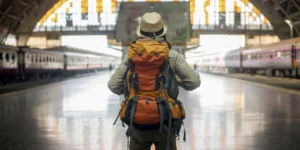
Beyond personal comfort, choosing the tracks over the runway delivers a much broader positive impact on the planet and local societies.
-
A Greener Way to Go: Short-haul aviation contributes a significant amount of carbon emissions per passenger. Opting for rail travel is an actionable way to reduce one’s personal carbon footprint, as trains generally produce far fewer emissions than airplanes or private vehicles.
-
Spreading the Wealth of Tourism: While flights jump directly between major international hubs—keeping tourism dollars concentrated in mega-cities or large corporations—rail networks pass right through smaller towns and rural areas. When trains stop at secondary stations, they give travelers the chance to step off the beaten path, shop at independent businesses, dine at local cafes, and support communities that mainstream tourism often leaves behind.
Looking Ahead at the Future of Travel
This shift in how people choose to move proves that the definition of luxury travel has changed. Luxury is no longer measured solely by how fast a destination can be reached, but by the quality of the time spent along the way.
By marrying personal comfort with environmental consciousness, scenic trains have proven to be an ideal solution for the modern era. When planning your next getaway, take a look at the rail map. Sitting by a wide window with a hot cup of coffee, watching the landscape roll gently by, might just be the best part of your next adventure.
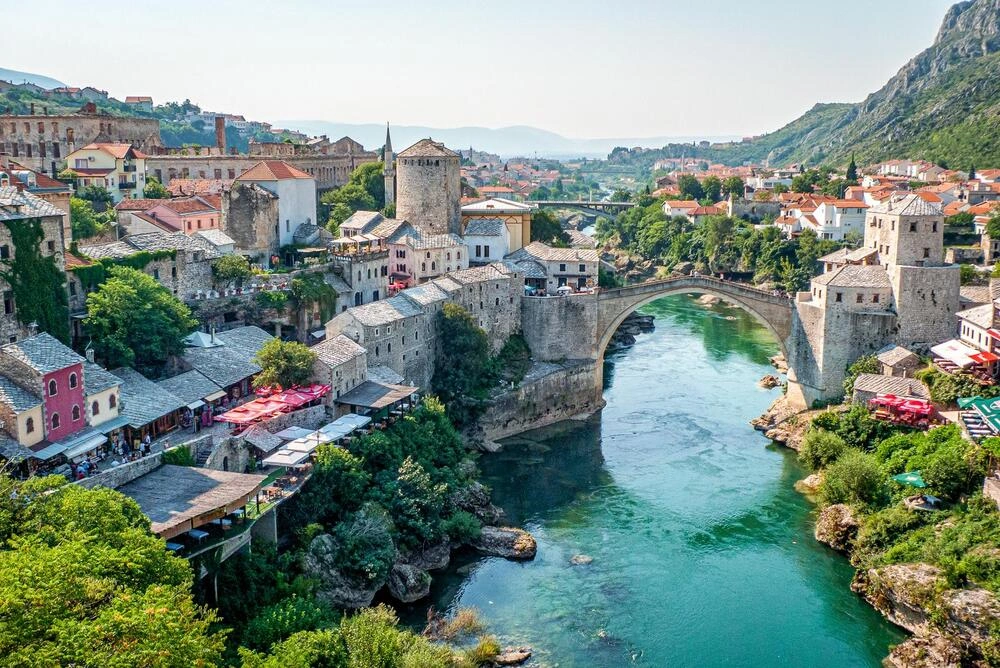
12 Underrated Destinations to Put on Your Travel List
12 Underrated Destinations to Put on Your Travel List | Watching the current phenomenon of global tourism often triggers a sense of irony. When a vacation spot suddenly goes viral on social media, millions of people flock to the exact same spot. As a result, the very essence of travel—tranquility and genuine discovery—is frequently lost in a sea of crowds. Fortunately, our planet is far too vast to be spent only in one or two overcrowded megacities.
Finding a hidden gem does not mean you have to sacrifice comfort or venture into dangerous conflict zones. Countless regions across the globe offer mature infrastructure, excellent safety, and breathtaking landscapes, yet somehow, they remain completely under the radar of mass tourism. Interestingly, these quiet pockets are sometimes located right next to highly popular destinations. You can easily take advantage of budget flights to a major hub, then take a detour to find a much more authentic adventure.
Here are 12 underrated regional recommendations ready to deliver the best surprises for your next travel itinerary.
1. Kyushu, Japan
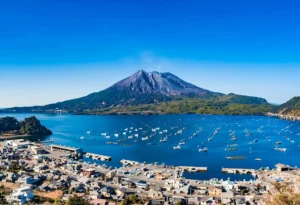
When planning a trip to the Land of the Rising Sun, most travelers immediately think of the neon lights of Tokyo, the ancient temples of Kyoto, or the night food scenes in Osaka. This golden route has become incredibly crowded. Shifting your focus further south to the island of Kyushu reveals a much calmer, yet incredibly rich, pace of life.
Kyushu is a paradise for lovers of natural hot springs (onsen). The town of Kurokawa Onsen, for instance, offers a traditional riverside village atmosphere where you can stroll around in a yukata without dodging crowds. Additionally, the island boasts Mount Aso, one of the world’s largest active calderas, presenting vast, rolling green landscapes. Getting there is seamless, thanks to the Shinkansen bullet train network connecting major cities like Fukuoka and Kumamoto.
2. The Azores, Portugal

Lisbon and Porto are currently experiencing a massive boom in Western European tourism. However, out in the middle of the Atlantic Ocean lies an archipelago of nine volcanic islands belonging to Portugal called the Azores, which often goes unnoticed. This place feels like a slice of paradise that masterfully blends the lush green pastures of Ireland with the exotic volcanic formations of Hawaii.
In the Azores, outdoor activities take center stage. Travelers can hike trails leading to twin crater lakes in Sete Cidades, swim in iron-rich thermal pools in Furnas, or take a boat out to spot sperm whales. Because of its isolated location, daily visitor numbers are carefully managed, making it the perfect escape from urban chaos.
3. Southern Albania (The Albanian Riviera)
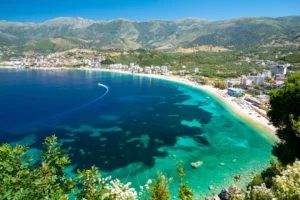
The beaches of Greece and Italy are notoriously packed and expensive during the peak of summer. Looking closely at their neighbor on the Balkan Peninsula reveals a brilliant alternative. Southern Albania boasts an Ionian coastline that is just as crystal-clear, featuring pristine white sands and captivating turquoise waters.
Coastal towns such as Ksamil, Himare, and Dhermi offer Mediterranean beauty at a fraction of the price. Beyond beach tourism, the region hosts the ancient archaeological site of Butrint, a UNESCO World Heritage site, as well as the historic stone city of Gjirokastër. Local hospitality and fresh seafood heavily influenced by Greek and Italian flavors make a trip here deeply memorable.
4. Oaxaca, Mexico

For those wanting to experience true Mexican culture without getting trapped in the commercial resort bubbles of Cancun, Oaxaca is the definitive answer. Located in the southern part of the country, this region is widely recognized as Mexico’s cultural and culinary heart.
The city is filled with colorful colonial buildings, vibrant traditional markets, and the rich aroma of local spices like mole. Just outside the city, you can visit Hierve el Agua, a unique rock formation resembling a frozen waterfall, or explore Monte Albán, an ancient Zapotec civilization site. Safety in Oaxaca’s tourist areas is well-maintained, making it highly welcoming for solo travelers.
5. Eastern Taiwan (Hualien and Taitung)
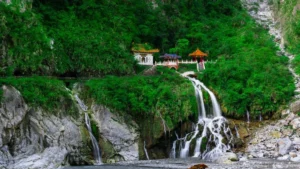
Taipei serves as the main gateway for most visitors entering Taiwan. However, the true soul of the island lies along its eastern coast, facing the vast Pacific Ocean. The Hualien and Taitung regions offer an incredible combination of soaring sea cliffs and deeply preserved indigenous cultures.
Taroko Gorge in Hualien stands as one of Asia’s great natural wonders, where rushing rivers cut through massive marble canyon walls. Moving south to Taitung, travelers are treated to endless green rice paddies framed by high mountain ranges in Chishang—an ideal setting for a relaxed bicycle ride through crisp, clean air.
6. Gifu, Japan
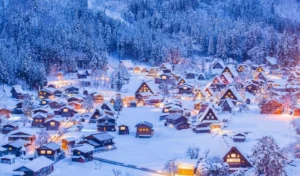
Returning to Japan, a central region on the main island of Honshu is frequently bypassed by tourists riding the bullet train from Tokyo to Kyoto. Gifu Prefecture preserves a rural charm that feels as though time has completely stopped.
Beyond the famous thatched-roof houses of Shirakawa-go, Gifu features the city of Takayama, which beautifully maintains its wooden merchant streets from the Edo period. Walking through the Sanmachi Suji district feels like stepping back into history. For nature lovers, Kamikochi in the Northern Japan Alps offers pristine hiking trails along crystal rivers with magnificent views of snow-capped peaks.
7. Luang Prabang, Laos
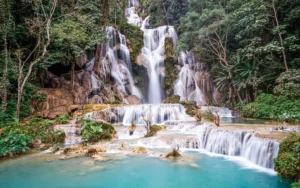
Compared to bustling hubs like Bangkok or Ho Chi Minh City, the spiritual capital of Laos offers a remarkably slower, soothing rhythm. Fringed by the Mekong and Nam Khan rivers, Luang Prabang blends French colonial architecture with glittering, gold-leaf Buddhist temples.
Every morning before sunrise, visitors can witness the silent Tak Bat tradition, where monks walk through the streets collecting food alms from local residents. The surrounding nature is equally stunning, highlighted by the Kuang Si Falls, a multi-tiered natural pool of milky blue water. The city’s distinct lack of heavy traffic makes it easy to stay much longer than planned.
8. Asturias, Spain

Skip busy Barcelona or Madrid for a moment. In the northern reaches of Spain lies a vibrant green region known as Asturias, often proudly called “The Real Spain” by locals. This area is heavily guarded by the Picos de Europa mountains and bordered by the dramatic cliffs of the Cantabrian Sea.
Asturias caters perfectly to travelers who love combining mountains and coastlines. You can hike alpine trails in the morning and enjoy fresh seafood in the fishing village of Cudillero by the afternoon. Do not miss trying the local sidra (apple cider), poured traditionally from high above the server’s head to create a natural, crisp effervescence.
9. Sarawak, Malaysia (Borneo)
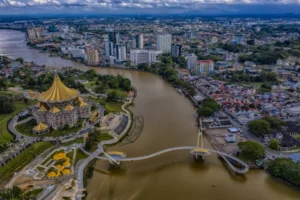
Kuala Lumpur and Penang are the usual highlights of Peninsular Malaysia, but those looking for a safe, well-organized wildlife adventure will find Sarawak on the island of Borneo to be a revelation. Its capital, Kuching, is a clean, riverside city filled with aesthetic cafes and rich cultural museums.
A short one-hour drive from the city puts you in Bako National Park, where you can easily spot rare proboscis monkeys in their native habitat. Sarawak is also home to Gunung Mulu National Park, world-renowned for its massive underground cave networks and razor-sharp limestone karst formations. Guide facilities and trail systems here are maintained to excellent international standards.
10. Georgia (The Caucasus Mountain Region)
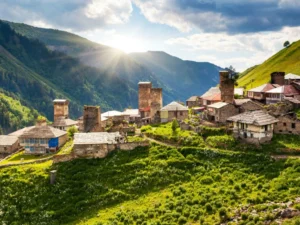
The country sitting at the crossroads of Eastern Europe and Western Asia is slowly gaining attention, yet its mountain regions remain blissfully free from mass tourism. Georgia serves up snow-capped alpine vistas that rival the Swiss Alps, but at a tiny fraction of the cost.
The Kazbegi (Stepantsminda) area features the iconic Gergeti Trinity Church, perched solitary against the backdrop of the towering Mount Kazbek. Aside from the landscapes, Georgia is celebrated as one of the oldest wine-producing regions in the world, still using traditional clay jars called qvevri buried underground.
11. Oman (Sharqiya Region and Nizwa)
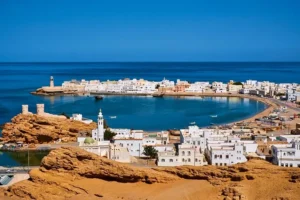
Many travelers assume that visiting the Middle East means focusing entirely on the modern luxury of Dubai or Doha. The Sultanate of Oman offers an entirely different narrative: authentic Arabian heritage and dramatic natural landscapes.
The ancient city of Nizwa features a massive 17th-century fort and a bustling souq selling intricate silver crafts and local spices. From there, a drive into the Sharqiya Sands allows you to sleep in luxury desert camps under a canopy of stars, or trek through hidden wadis (river valleys) like Wadi Bani Khalid, which holds emerald-green water all year round.
12. Tasmania, Australia
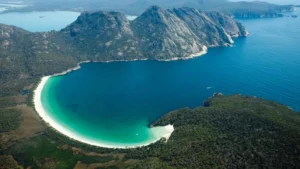
Trips to Australia are frequently limited to Sydney, Melbourne, or the tropical coastlines of Queensland. Separated from the mainland to the far south, the island of Tasmania offers an entirely different ecosystem boasting some of the cleanest air in the world.
Nearly half of Tasmania consists of national parks and World Heritage areas. In Cradle Mountain-Lake St Clair National Park, visitors can walk around glacial lakes and encounter unique wildlife like wombats and Tasmanian devils in the wild. The capital, Hobart, balances this wilderness with a vibrant weekend arts market and the world-class, avant-garde MONA museum.
Planning Your Journey to Alternative Destinations
Redirecting your travel plans toward places that have not been overrun by mass tourism brings immense satisfaction. You bypass hours of waiting in ticket lines, and your interactions with locals feel much more genuine because communities have not grown weary of tourist crowds.
The most practical approach to starting is finding promotional flights to the nearest major gateway cities for the destinations listed above, then crafting an itinerary using short domestic flights or scenic road trips. Stepping off the beaten path opens your eyes to a simple truth: the true beauty of the world is often hidden exactly where people least think to look. Enjoy designing your next great adventure!

How AI Assistants Change Modern Trip Planning
How AI Assistants Change Modern Trip Planning | For most of us, planning a vacation often drains our energy before the actual journey even begins. Picture the classic scenario: a dozen tabs open in your browser, ranging from flight comparison sites and hotel reviews to digital maps and travel blogs for hidden culinary gems. The manual process of matching schedules, comparing prices, and mapping out itineraries frequently ends in mental exhaustion.
However, this tedious, conventional way of doing things is on the brink of extinction. A new wave of technology is redefining how travelers interact with their itineraries. Instead of getting trapped in a complex maze of search data, modern travelers—especially Gen Z and millennials—are turning to a single, integrated solution: Artificial Intelligence (AI) Travel Assistants.
This shift is not just a passing trend; it is a fundamental transformation from traditional, tab-heavy searching to end-to-end trip planning and execution driven entirely by conversation.
Why AI Travel Assistants Are Booming Right Now

The sudden surge of AI users in the tourism industry is no accident. This technology has far surpassed its early stages, where it existed only as rigid, unhelpful chatbots that rarely gave relevant answers. Today, three main pillars drive the mass adoption of these smart tools by global travelers.
1. Autonomous Agentic Booking
In the past, AI only provided text recommendations and redirected users to third-party links. Today, the landscape is entirely different. Modern AI assistants have evolved into autonomous agents.
This means these systems can handle entire transactions on their own. Users can search for airlines, compare hotel amenities, and finalize payments right inside a single chat window without ever switching apps or opening another website. This seamless speed and convenience act as a major magnet for travelers who value efficiency.
2. Hyper-Personalization with Superior Accuracy
Everyone has unique vacation preferences. Some prefer a relaxed, family-friendly trip, others chase backpacker adventures, and many look to balance remote work with leisure.
AI assistants digest and analyze massive amounts of data in seconds. This includes weather forecasts, historical price fluctuations, and the user’s past behavior. The result? Recommendations tailored to specific budgets, work habits, and personal travel styles, rather than generic holiday packages offered by traditional agencies.
3. Real-Time Disruption Management
The most daunting part of any trip is when a beautifully planned itinerary falls apart due to flight cancellations or bad weather. This is where AI showcases its emergency capabilities.
Current AI systems monitor flight statuses and global travel conditions in real-time. When a major disruption occurs, advanced AI platforms can instantly detect the issue, find alternative routes, and book new accommodations in a fraction of the time it takes a human agent to pick up the phone. Consequently, traveler stress during a crisis is kept to an absolute minimum.
Exploring Today’s Top AI Travel Tools
The market currently offers various AI ecosystems designed for different needs, from quick weekend inspiration to heavy-duty corporate logistics. Here are the leading platforms redefining the way we travel:
Google Gemini & Google Flights
As a tech giant, Google integrates its AI assistant, Gemini, directly with Google Maps and Google Flights. This integration creates an incredibly smooth planning experience. Users can ask Gemini to build a detailed itinerary for a specific city, and the AI will pull live flight pricing and hotel locations straight into the chat. Additionally, an AI-driven built-in flight deals tool helps flexible travelers catch the lowest fares automatically.
Penny by Priceline
Penny is the real-world manifestation of the future travel agent. This platform allows users to compare multiple destinations at once, view real-time pricing, and book directly using both text and voice technology. This voice-activated flexibility makes it easy for users to plan a trip while multitasking at home.
Navan
For corporate travelers and company logistics managers, Navan sets a highly efficient new standard. The AI on this platform processes route suggestions, synchronizes them with corporate expense policies, and manages financial reporting automatically. Remarkably, Navan’s smart system handles over 55% of travel disruptions—like delays or sudden cancellations—entirely on its own without needing manual confirmation from human staff.
Layla and Wonderplan
If your primary focus is visual aesthetics and uncovering unique, off-the-beaten-path locations, direct-to-consumer apps like Layla and Wonderplan are the perfect fit. These two platforms specialize in generating highly tailored visual itineraries. They help users discover hidden spots through curated photos and videos while building efficient daily schedules so vacation time isn’t wasted on the road.
Tactical Guide to Optimizing AI for Your Next Trip
Using this technology goes beyond typing “make a Bali itinerary.” To get highly accurate, bias-free results, you need to apply a few communication strategies when talking to an AI travel assistant:
-
Provide Specific Budget Context: Instead of saying “cheap hotels,” state an exact figure, such as: “Find hotels in downtown Tokyo under $100 a night that are close to a subway station.”
-
Specify Your Travel Style: Explain who is traveling. Are you going with toddlers, elderly relatives, or solo for a work trip? This information is crucial so the AI avoids putting extreme activities or hard-to-access places on your schedule.
-
Utilize Price Monitoring Features: Take advantage of automated tracking functions to monitor comparative price trends. Let the AI assistant work in the background and notify you the moment flight or hotel rates hit their lowest point.
Looking to the Future of the Travel Industry
The growing reliance on these virtual assistants is slowly reshaping the competitive landscape of global tourism. Traditional travel agencies are now forced to adopt similar technologies if they want to retain younger generations. On the other hand, hotels and airlines must update their internal systems to connect instantly with these autonomous search algorithms.
Ultimately, the presence of artificial intelligence in tourism does not aim to strip the essence of adventure away from a trip. Instead, it exists to eliminate the administrative headaches and logistical complexities that drain us. By handing over tedious tasks like price comparisons and schedule building to an AI assistant, travelers can focus entirely on what matters most: enjoying every precious moment, absorbing new cultures, and making unforgettable memories.

What is Coolcationing? Inside the Cool Weather Travel Trend
What is Coolcationing? Inside the Cool Weather Travel Trend | Extreme temperatures across the globe are forcing a massive shift in how we plan our vacations. In the past, summer travel was synonymous with sunbathing on tropical beaches or exploring European fashion capitals. Today, the reality is starkly different. Drastic spikes in mercury levels and scorching heatwaves have made walking under the blazing sun far less appealing than it used to be.
In response, a new phenomenon is taking over the travel industry, widely known as Coolcationing. This trend sees travelers deliberately swapping sweltering summer hotspots for destinations with temperate climates, cool breezes, or high altitudes. The goal is straightforward: to enjoy a vacation comfortably without breaking a sweat or getting trapped in stifling crowds.
Chasing Fresh Air Around the Globe

The concept of a cool-weather vacation is drawing adventurers toward northern latitudes and mountain ranges that promise thermal comfort. Several global destinations are experiencing a massive surge in popularity:
-
Scandinavia (Norway, Sweden, Finland): These countries offer incredibly pleasant summer temperatures, usually hovering comfortably around 20°C to 25°C. Instead of enduring oppressive heat, visitors can enjoy outdoor activities like summer skiing, kayaking along breathtaking fjords, or witnessing the unique midnight sun.
-
Iceland: Famed for its dramatic landscapes, Iceland serves as the perfect escape from extreme heatwaves. Hiking across massive glaciers and soaking in natural hot springs feel infinitely better under a crisp, cool summer sky.
-
The Swiss Alps & Canadian Rockies: High-altitude mountain retreats provide an instant antidote to lowland heat. Hiking along lush green trails set against snow-capped peaks offers an immediate sense of mental and physical refreshment.
Closer to Home: Regional Cool Escapes
For travelers based in Southeast Asia who want to experience a cooler climate without enduring a grueling long-haul flight, several regional options are just as captivating. These spots are perfect for a quick weekend getaway:
-
Cameron Highlands, Malaysia: Located just a short drive or bus ride away from major cities and neighboring Singapore. The rolling green tea plantations combined with daytime temperatures that rarely breach 25°C make it a premier choice for unwinding.
-
Bandung, Indonesia: Nestled among the volcanic peaks of West Java, this elevated city has long been celebrated for its refreshing breeze. Alongside stunning crater views, the cool mountain air makes exploring the city’s chic cafes in Dago or Lembang highly enjoyable.
-
Hokkaido, Japan: For those willing to fly a bit further north into East Asia, Japan’s northernmost island is an excellent choice. While Tokyo and Osaka experience heavy summer humidity, Hokkaido welcomes travelers with dry ocean breezes, blooming lavender fields in Furano, and excellent hiking trails in Sapporo.
The Double Benefits of a Coolcation
Beyond the obvious perk of comfortable weather, opting for a cooler destination provides unexpected strategic advantages for travel planning.
First, it allows you to beat the crowds. Since mainstream tourists still flock to conventional beaches, cooler locales offer more breathing room and a much more peaceful, personal experience.
Second, this trend often delivers better overall value. Flights and accommodations in northern regions or mountain towns during these months can sometimes be more competitively priced than bookings at overcrowded beachfront resorts experiencing their absolute peak season.
This shift in preferences proves that the true essence of a vacation is to find comfort and peace of mind. Stepping away from extreme weather to embrace cooler destinations is no longer just an alternative choice—it is a brand-new lifestyle defining modern tourism.