How the Travel Industry Is Responding to Overtourism
The Rise of Experiential Travel: What Makes a Trip Unforgettable?
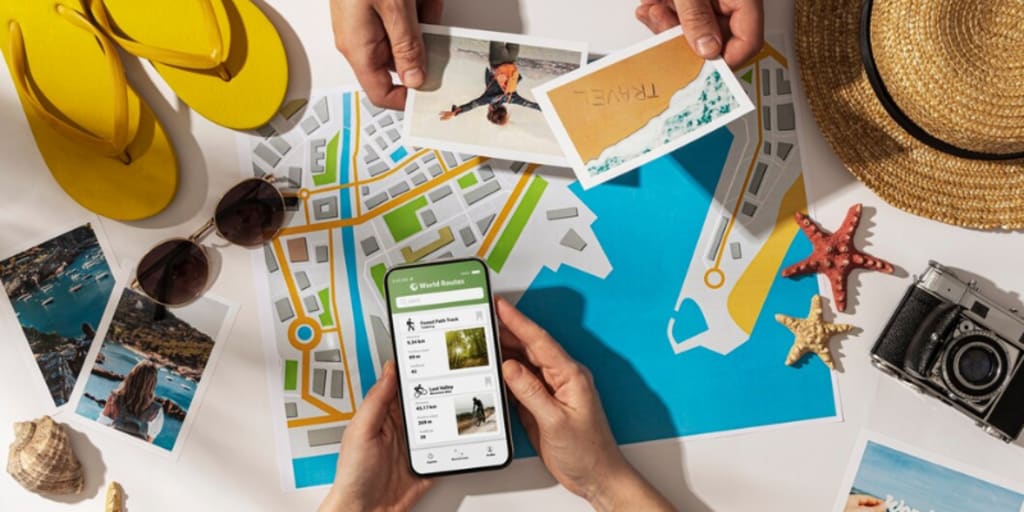
How Travel Apps Are Revolutionizing Last-Minute Bookings
How Travel Apps Are Revolutionizing Last-Minute Bookings – Not long ago, planning a trip at the last minute felt stressful and expensive. Travelers had to call hotels directly, visit travel agencies, or sit in front of a desktop computer refreshing airline websites for deals. Today, everything has changed. Travel apps have completely transformed the way people handle last-minute bookings, making spontaneous trips easier, cheaper, and far more convenient.
With just a smartphone and a few taps, travelers can secure affordable flights, hotel rooms, rental cars, and even activities within minutes. The rise of mobile technology has reshaped the travel industry, especially for those who prefer flexibility over rigid itineraries.
In this article, we’ll explore how travel apps are revolutionizing last-minute bookings and why they have become essential tools for modern travelers.
The Rise of Mobile Travel Technology
Smartphones have become an extension of everyday life. From ordering food to managing finances, almost everything can be done through apps. The travel industry quickly adapted to this behavior by creating mobile platforms that offer instant booking features.
Travel apps are designed to be fast, user-friendly, and optimized for on-the-go decisions. Unlike traditional websites, mobile apps provide personalized notifications, real-time updates, and location-based recommendations. This technology is especially useful for last-minute bookings where timing is critical.
The growth of high-speed internet and secure mobile payment systems has further accelerated this shift. Travelers now trust apps to handle their payments safely, which removes another barrier to spontaneous travel decisions.
Instant Access to Real-Time Deals
One of the biggest advantages of travel apps is access to real-time pricing. Airlines and hotels frequently adjust their prices based on demand. Travel apps aggregate this information instantly, allowing users to compare multiple options in seconds.
For last-minute travelers, this is crucial. Instead of checking different websites manually, users can see available flights and hotel deals in one place. Many travel apps also use dynamic pricing algorithms to highlight discounted options that are about to sell out.
This immediate access to deals increases the chances of finding cheap flights and discounted hotel rooms, even when booking just hours before departure.
Personalized Recommendations for Spontaneous Travelers
Modern travel apps rely heavily on data and user behavior to provide personalized suggestions. If a traveler frequently searches for beach destinations or budget hotels, the app learns these preferences and adjusts recommendations accordingly.
For last-minute bookings, personalization saves time. Instead of browsing hundreds of options, users receive curated choices that match their travel style and budget. This makes the decision-making process smoother and less overwhelming.
Push notifications also play a major role. Many travel apps send alerts about flash sales, price drops, or limited-time hotel deals. These notifications encourage users to act quickly, which is perfect for spontaneous trips.
Location-Based Services
Another game-changing feature is location-based technology. Travel apps can detect where a user is and suggest nearby hotels, restaurants, or attractions.
Imagine arriving in a city without a reservation. Within seconds, a travel app can show available hotel rooms near your current location, complete with reviews, pricing, and photos. This level of convenience simply wasn’t possible a decade ago.
For business travelers or digital nomads, this feature makes last-minute hotel booking stress-free and efficient.
Seamless Booking Experience in Minutes
Speed matters when booking last-minute travel. Travel apps streamline the entire process, from search to payment, into a few simple steps.
Most apps store user details such as passport information, payment methods, and preferences. This eliminates the need to repeatedly fill out forms. With one-click booking options, users can confirm reservations in under a minute.
This frictionless experience significantly increases the appeal of last-minute bookings. Travelers no longer need to plan weeks in advance because the booking process itself is so simple.
Secure payment gateways and instant confirmation emails also add peace of mind. Travelers know immediately that their flight or hotel is confirmed, reducing uncertainty.
Exclusive Mobile-Only Discounts
Many travel companies offer exclusive deals through their mobile apps. These mobile-only discounts are designed to encourage direct bookings and app downloads.
For last-minute travelers, this can mean access to lower prices that are not available on desktop websites. Hotels, in particular, often reduce prices for unsold rooms as check-in time approaches. Travel apps showcase these discounted rates prominently, making them easy to find.
This pricing strategy benefits both travelers and providers. Hotels can fill empty rooms, and travelers can secure affordable accommodation at the last minute.
The competition among travel apps has also driven prices down. As platforms compete for users, they offer promo codes, cashback rewards, and loyalty points that make spontaneous bookings more attractive.
User Reviews and Social Proof
When booking last-minute, travelers have limited time to research. Travel apps solve this problem by providing detailed user reviews, ratings, and photos.
Instead of searching through multiple review websites, users can quickly read feedback from previous guests directly within the app. This transparency builds trust and reduces the risk of making poor decisions under time pressure.
High-quality images, verified reviews, and star ratings allow travelers to feel confident about their choices, even when booking just hours before arrival.
Flexibility and Easy Cancellations
Flexibility is essential for last-minute travel. Plans can change quickly, especially for business trips or spontaneous weekend getaways.
Many travel apps now highlight flexible booking options and free cancellation policies. Users can filter results to show only refundable flights or hotels. This gives travelers peace of mind and encourages them to book without hesitation.
Some apps even allow easy in-app cancellations or modifications, avoiding long customer service calls. This level of control makes last-minute travel far less risky than it once was.
Integration with Other Travel Services
Modern travel apps are no longer limited to flights and hotels. They integrate multiple services into one ecosystem.
Users can book airport transfers, car rentals, travel insurance, and local activities within the same app. This all-in-one approach simplifies trip planning, especially when time is limited.
For example, someone booking a last-minute flight can immediately reserve a rental car and hotel room in the same session. This seamless integration reduces stress and saves valuable time.
Travel itineraries are also stored digitally within the app, making it easy to access booking details, boarding passes, and check-in information.
The Impact on the Travel Industry
The rise of travel apps has significantly impacted airlines, hotels, and traditional travel agencies. Providers now prioritize mobile optimization because a large percentage of bookings happen through smartphones.
Hotels are increasingly offering special last-minute rates to stay competitive on app-based platforms. Airlines use travel apps to push flash sales and fill empty seats close to departure time.
Traditional travel agencies have had to adapt by offering digital services or partnering with online platforms. The entire industry has shifted toward instant access and real-time booking.
Why Last-Minute Travel Is Becoming the New Normal
The combination of mobile technology, flexible policies, and competitive pricing has made last-minute travel more appealing than ever.
Younger travelers, remote workers, and entrepreneurs value flexibility. Instead of planning months ahead, they prefer to make decisions based on current opportunities, weather, or mood.
Travel apps support this lifestyle by removing barriers that once made spontaneous travel difficult. Affordable deals, instant confirmations, and personalized recommendations empower users to take action quickly.
As technology continues to evolve, we can expect even smarter travel apps with AI-powered suggestions, predictive pricing alerts, and enhanced customer support.
Final Thoughts
Travel apps have fundamentally changed how people approach last-minute bookings. What was once stressful and expensive is now convenient, affordable, and even exciting.
With real-time deals, mobile-exclusive discounts, personalized recommendations, and seamless booking processes, travel apps have turned spontaneous travel into a practical option for millions of people.
As competition among travel platforms continues to grow, users can expect even better features and lower prices. For modern travelers who value flexibility and speed, travel apps are no longer optional. They are essential tools that make last-minute adventures possible.
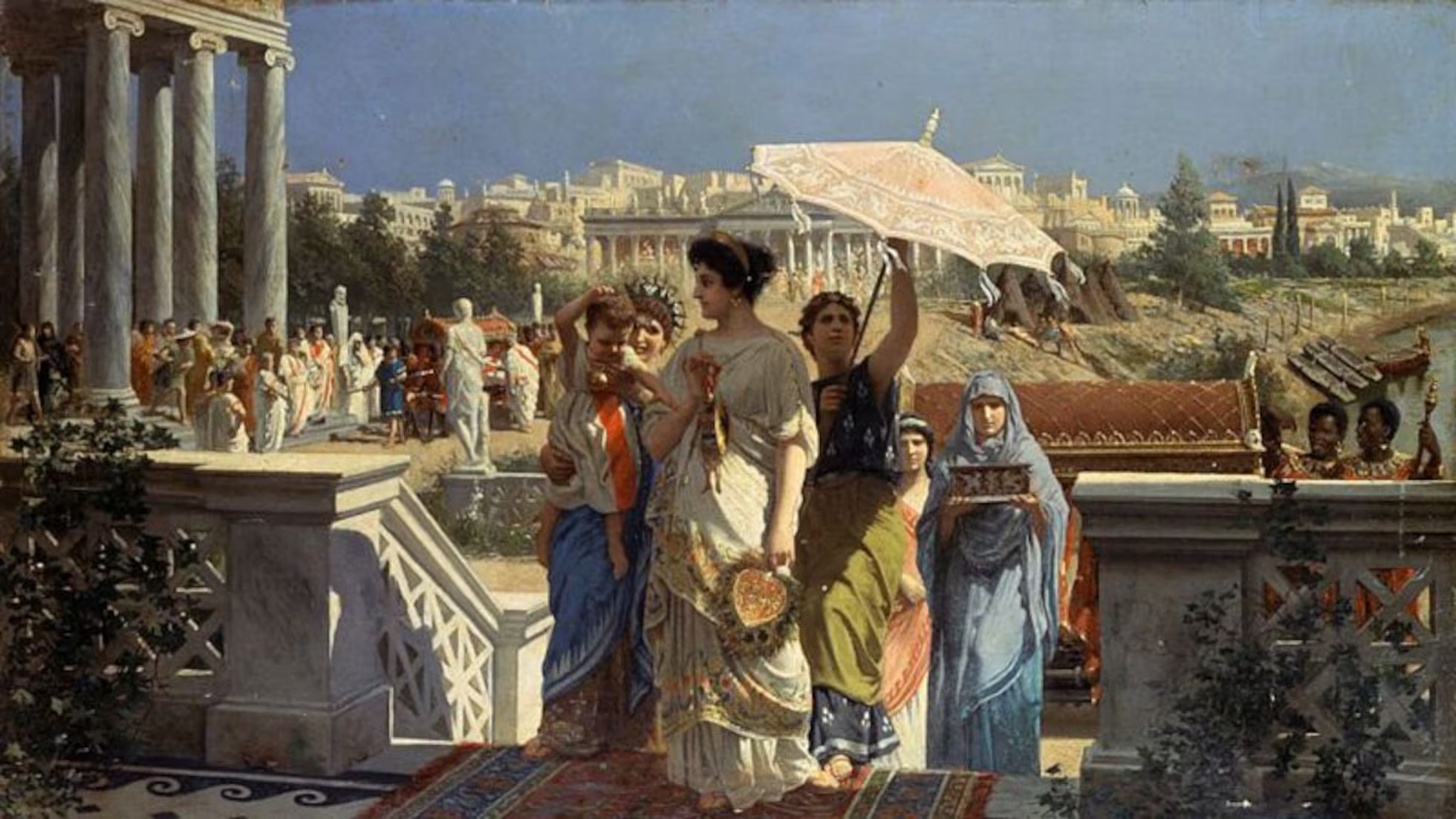
Travel Industry News from the Roman Empire Age
Travel Industry News from the Roman Empire Age – When people talk about the travel industry, most imagine modern airports, online bookings, and global tourism brands. But long before airplanes and digital tickets, the foundations of the travel industry were already being built. In fact, some of the earliest and most organized travel systems in history appeared during the era of the Roman Empire.
If we look closely at travel industry news from the Roman Empire age, we discover a surprisingly advanced system. Roads, inns, travel permits, guidebooks, and even early forms of tourism were already shaping how people moved across vast territories. For anyone interested in the history of travel, tourism evolution, or ancient infrastructure, the Roman Empire offers fascinating insight.
Let’s explore how travel worked in one of the most powerful civilizations in history.
The Roman Road Network: The Backbone of Ancient Travel
One of the biggest breakthroughs in ancient travel came from the Roman road system. The Romans constructed over 400,000 kilometers of roads across Europe, North Africa, and parts of the Middle East. These roads connected cities, military outposts, trade centers, and ports.
The famous phrase “All roads lead to Rome” was not just poetic language. It reflected the strategic design of the empire’s infrastructure. Roads were built straight whenever possible, paved with stone, and designed for durability. Many Roman roads are still visible today.
This road network changed travel completely. Before Rome’s expansion, journeys were slow, dangerous, and unpredictable. After the roads were established, travel became more structured. Soldiers, merchants, government officials, and ordinary citizens could move with greater speed and safety.
From a modern perspective, this was one of the earliest large-scale transportation systems supporting trade and tourism.
Government-Sponsored Travel: Cursus Publicus
The Roman Empire didn’t just build roads. It also created an official courier and transportation service known as the Cursus Publicus. Established during the reign of Augustus, this system allowed government officials to travel efficiently across the empire.
The Cursus Publicus provided horses, carriages, and resting stations placed at regular intervals along major routes. Authorized travelers carried official permits that granted them access to these facilities.
In today’s terms, this system functioned like a combination of a postal service and a government travel network. Messages, documents, and officials could move quickly between provinces and the capital in Rome.
While it was primarily for administrative use, its existence influenced the wider travel environment. Inns, service stations, and supply points developed along these routes, benefiting civilian travelers as well.
Inns and Accommodation in Ancient Rome
As travel increased, so did the need for accommodation. The Roman Empire had different types of inns and lodging facilities, depending on the traveler’s social status and budget.
Wealthy travelers often stayed in private villas or were hosted by influential families. However, ordinary merchants and travelers relied on inns called “mansiones” and “cauponae.”
Mansiones were official stopping points along major roads, often connected to the Cursus Publicus. They provided basic lodging, food, and stable facilities for horses. Cauponae were more like commercial inns and taverns. They offered meals, beds, and a place to rest, although their reputation was sometimes questionable.
Even in ancient times, travelers worried about safety, quality, and cost. Complaints about poor service, theft, or bad food were not uncommon. In many ways, these concerns sound very similar to modern travel reviews.
Religious Tourism and Pilgrimage
Travel during the Roman Empire was not only about politics or trade. Religion played a major role in movement across regions.
One of the most famous religious destinations was the city of Jerusalem. Pilgrims traveled long distances to visit sacred sites, attend festivals, and participate in rituals. As Christianity began to spread across the empire, travel to holy locations increased even more.
Temples dedicated to Roman gods also attracted visitors. People traveled to consult oracles, seek healing, or fulfill religious vows. Sanctuaries often developed local economies around visiting pilgrims.
This form of religious tourism significantly influenced regional development. Inns, food markets, souvenir sellers, and transport services thrived in cities known for spiritual importance. It was an early example of destination-based travel growth.
Leisure Travel Among the Roman Elite
While many traveled for duty or faith, the Roman elite traveled for pleasure. Wealthy citizens visited coastal resorts, countryside villas, and spa towns to relax.
One of the most popular leisure destinations was Pompeii before its destruction. Located near the Bay of Naples, it was known for its beautiful homes, bathhouses, theaters, and scenic views.
Another favored retreat area was around Naples, where aristocrats built luxurious villas. These locations offered mild climates, entertainment, and social gatherings.
Roman bath complexes also became attractions. Visiting grand public baths was not only about hygiene but also socializing and networking. In many ways, these experiences resembled modern resort culture.
Leisure travel helped shape a culture where travel was not just necessary but desirable. It marked an important shift toward tourism as a lifestyle choice.
Trade Routes and International Commerce
The Roman Empire connected Europe, Asia, and Africa through vast trade networks. Sea routes across the Mediterranean and land routes reaching into Asia allowed goods, ideas, and people to circulate widely.
Major ports like Alexandria served as international trade hubs. Merchants transported spices, silk, grain, precious metals, and luxury goods across continents.
This commercial activity stimulated travel demand. Merchants frequently journeyed between cities, negotiated deals, and established trade partnerships. Caravan routes extended toward the Silk Road, linking Rome indirectly with distant Asian markets.
From a travel industry perspective, trade routes were essential. They encouraged shipbuilding, harbor construction, navigation techniques, and cross-cultural exchange. These developments laid the groundwork for global travel patterns that would evolve centuries later.
Travel Risks and Safety Concerns
Despite the impressive infrastructure, travel in the Roman Empire was not entirely safe. Banditry, storms at sea, and political unrest posed real threats.
Travelers often joined caravans or groups for protection. Military patrols were stationed along certain roads, especially in unstable provinces. Sea travel, while faster in some cases, depended heavily on weather conditions.
Still, compared to many earlier civilizations, Rome offered relatively stable travel conditions during periods known as the Pax Romana. This era of relative peace allowed commerce and travel to flourish.
Safety improvements increased confidence among travelers, encouraging more movement across regions. Stability remains a key factor in tourism growth even today.
Early Travel Documentation and Guides
Interestingly, Romans also produced early forms of travel documentation. Itineraries listed routes, distances between towns, and stopping points. One example is the Antonine Itinerary, which mapped out road networks across the empire.
These documents functioned like ancient travel guides. They helped travelers estimate journey times and plan stops. While not tourism brochures in the modern sense, they show that structured travel planning already existed.
Travel permits were also required for certain routes, especially within official systems. This administrative approach reflects early regulation in the travel sector.
The Legacy of Roman Travel Infrastructure
The influence of Roman travel systems did not disappear with the fall of the empire. Many medieval roads followed Roman routes. Cities that flourished due to Roman trade and travel remained important centers for centuries.
The idea of standardized roads, roadside services, official courier systems, and destination-based economies can all trace roots back to Roman innovation.
For anyone studying travel industry history, the Roman Empire represents a major turning point. It demonstrates how infrastructure, security, religion, commerce, and leisure combined to create an interconnected world long before modern technology.
Travel industry news from the Roman Empire age may not have appeared in newspapers or online portals, but the developments of that era were revolutionary. Roads united continents, inns supported mobility, religious sites attracted pilgrims, and luxury resorts entertained the elite.

Exploring Historical Kingdoms Castles Palaces and Cities
Exploring Historical Kingdoms Castles Palaces and Cities – History has always fascinated travelers and culture enthusiasts alike. From towering castles perched on hills to sprawling palaces in the heart of ancient cities, historical kingdoms offer a window into the past. Exploring these places allows us to step back in time, imagining the lives of kings, queens, warriors, and ordinary people who shaped history. But beyond their beauty, castles, palaces, and historical cities tell stories of power, culture, and survival that still captivate visitors today.
The Charm of Historical Kingdoms
Historical kingdoms are more than just old buildings and cobblestone streets. They represent entire civilizations, their ambitions, and their struggles. Every stone in a castle wall, every archway in a palace, and every street in an ancient city holds a story waiting to be discovered. Exploring these places gives travelers a sense of connection to the past, as if walking alongside those who lived centuries before.
What makes these kingdoms truly fascinating is their diversity. From the medieval fortresses of Europe to the royal palaces of Asia and the grand cities of the Middle East, each kingdom reflects the culture, architecture, and values of its era. The combination of strategic defense, artistic expression, and urban planning shows how human ingenuity shaped these societies.
Castles: Fortresses of Power and Defense
Castles are often the most iconic symbols of historical kingdoms. Built for defense, they were designed to withstand sieges and attacks, serving as both a home for royalty and a military stronghold. Their high walls, moats, and watchtowers were not just architectural marvels—they were practical solutions to the dangers of the time.
The Architecture of Castles
Castle architecture varies widely depending on the region and period. European castles, for instance, often feature massive stone walls, turrets, and drawbridges. Many were strategically placed on hills or near rivers to provide natural defense advantages. In contrast, Asian fortresses, such as those in Japan or India, often incorporate intricate designs and defensive elements that blend seamlessly with the surrounding landscape.
Inside, castles were more than just fortifications. They housed royal families, soldiers, and servants, with grand halls, chapels, and living quarters reflecting the wealth and status of the rulers. Decorative elements like tapestries, carvings, and frescoes also provided insight into the culture and values of the kingdom.
Palaces: Centers of Royal Life
While castles focused on defense, palaces often prioritized luxury and administration. Palaces were the heart of political power, where kings and queens governed, held court, and entertained dignitaries. Unlike castles, palaces were built to impress, with grand halls, lush gardens, and exquisite decorations that showcased the kingdom’s prosperity.
Exploring the Grandeur
Walking through a palace today, visitors can still sense the grandeur of royal life. Ornate ceilings, intricate carvings, and elegant furniture tell stories of artistry and craftsmanship. Many palaces also feature vast gardens, fountains, and courtyards that offered relaxation and leisure for royalty.
Palaces were often centers of culture as well. Music, art, and literature flourished within their walls, supported by the patronage of kings and queens. These spaces weren’t just homes—they were symbols of the kingdom’s identity and ambition, reflecting both power and taste.
Historical Cities: Living Memories of the Past
Beyond castles and palaces, historical cities offer another layer of exploration. Cities were the lifeblood of kingdoms, where trade, politics, and daily life thrived. The layout of streets, marketplaces, temples, and public buildings tells a story about how people lived and interacted.
Streets and Architecture
Walking through an ancient city, visitors can see the evolution of architecture and urban planning. Narrow winding streets might lead to bustling squares, where merchants once sold their goods. Temples, mosques, and churches showcase the spiritual life of the community. The combination of residential, commercial, and public spaces reveals how kingdoms balanced functionality and beauty.
Many historical cities were also hubs of trade and cultural exchange. Markets filled with spices, textiles, and rare goods connected kingdoms to distant lands, bringing in ideas, art, and knowledge that shaped the city’s identity. These exchanges made historical cities dynamic centers of innovation and creativity.
Preserving History Through Tourism
Today, exploring historical kingdoms, castles, palaces, and cities is more than just sightseeing. It’s a way to preserve history and keep the stories of the past alive. Museums, guided tours, and cultural events allow visitors to engage with history in meaningful ways. By visiting these places, travelers support conservation efforts that ensure these architectural treasures endure for future generations.
Experiencing the Past
For many, exploring historical sites is an immersive experience. Walking along castle walls, admiring palace gardens, or wandering through ancient streets allows people to imagine life in a different era. It creates a connection between past and present, helping us understand how history shaped the world we live in today.
Travelers often find that each kingdom has its own personality. Some exude the grandeur of wealth and power, while others tell tales of resilience and survival. Each site offers a unique experience, combining history, culture, and storytelling in ways that books alone cannot capture.
Why Historical Kingdoms Captivate Us
There’s something undeniably captivating about historical kingdoms. They are reminders of human ambition, creativity, and the desire for legacy. Castles, palaces, and cities are more than stone and mortar—they are symbols of a civilization’s achievements, struggles, and dreams.
Exploring these sites allows us to step into the shoes of the past, imagining the lives of kings, soldiers, merchants, and artists. It’s an adventure that connects us to our shared human history, offering lessons, inspiration, and a deeper appreciation for the world’s cultural heritage.
Conclusion
Historical kingdoms, with their castles, palaces, and cities, offer travelers a journey through time. Each structure, street, and monument tells a story of power, artistry, and daily life. From fortified castles to lavish palaces and bustling ancient cities, exploring these places allows us to experience the past in a tangible way. Whether you are a history enthusiast, a curious traveler, or someone who simply loves stories of the past, these kingdoms invite you to walk through history and discover the richness of human civilization.
Visiting historical kingdoms isn’t just about sightseeing—it’s about stepping into living memories, understanding the world as it once was, and appreciating the beauty and complexity of cultures that have shaped our world today.

How the Rise of Hybrid Travel is Changing the Way We Vacation
How the Rise of Hybrid Travel is Changing the Way We Vacation – Over the past few years, the way people travel has been evolving dramatically. Traditional vacations—where people take a full break from work to relax in a new destination—are no longer the only way to recharge. The rise of hybrid travel is transforming the travel industry, blending work, leisure, and digital flexibility in ways that were unimaginable a decade ago. If you’ve noticed more colleagues sending postcards from Bali while still checking emails or friends hopping between cities while running remote meetings, you’re witnessing this trend firsthand.
What Is Hybrid Travel?
Hybrid travel, sometimes called “bleisure” travel, is a blend of business and leisure. It’s no longer strictly about going on a vacation or attending a work conference. Travelers can now work remotely from different locations, extend business trips into mini vacations, or plan trips that accommodate both professional responsibilities and personal adventures. This concept has exploded in popularity, especially after the COVID-19 pandemic forced companies to embrace remote work and flexible schedules.
Unlike traditional vacations, hybrid travel is about balance. People don’t have to completely disconnect from work, but they can still enjoy the benefits of exploring a new place. It’s a subtle shift that emphasizes personal freedom and productivity, giving travelers the power to design experiences that suit their lifestyle.
Why Hybrid Travel Is Becoming Popular
Several factors have contributed to the rise of hybrid travel. First, remote work has become mainstream. Millions of employees now have the flexibility to work from anywhere with a stable internet connection. This freedom allows travelers to combine work and leisure without feeling guilty about stepping away from the office.
Second, there’s a growing desire for meaningful travel experiences. People want more than a few days on a crowded beach or ticking off tourist spots. Hybrid travel allows them to immerse themselves in a new culture, try local cuisines, or explore off-the-beaten-path destinations, all while keeping up with work responsibilities.
Finally, the travel industry itself is adapting. Hotels, resorts, and coworking spaces now cater specifically to hybrid travelers, offering high-speed internet, ergonomic workspaces, and amenities designed for both productivity and relaxation. Airlines and travel platforms are also creating packages that appeal to this new type of traveler, making it easier than ever to plan a seamless experience.
How Hybrid Travel Changes Vacation Planning
Planning a hybrid trip requires a different mindset than traditional vacations. Instead of focusing solely on leisure activities, travelers must consider logistics that support work as well. Reliable internet access becomes a priority, as does finding accommodations with comfortable workspaces. Travelers also need to balance their schedules, blending meetings with sightseeing or downtime.
Interestingly, hybrid travel can extend the average trip length. Since travelers can work remotely, there’s less pressure to return home quickly. A business trip that used to last three days can now evolve into a two-week adventure. This shift also encourages deeper engagement with the destination, as travelers have more time to explore neighborhoods, connect with locals, and participate in cultural activities.
Another change is the emergence of digital nomad communities. Many hybrid travelers seek locations where they can meet like-minded people, share experiences, and even collaborate professionally. Cities like Lisbon, Bali, and Chiang Mai have become hubs for this type of travel, offering coworking spaces, networking events, and long-term rental options for professionals on the move.
The Impact on Tourism and Local Economies
Hybrid travel isn’t just changing individual vacations; it’s reshaping entire tourism landscapes. Destinations that traditionally relied on short-term tourists are now seeing a new demographic: travelers who stay longer, spend more locally, and integrate into the community. This can boost local economies in a sustainable way, especially in areas that weren’t previously considered prime tourist spots.
However, there are challenges. Infrastructure needs to support both work and leisure, meaning reliable internet, transportation, and accommodations must be available. Additionally, cities need to strike a balance between welcoming visitors and maintaining local quality of life. Still, the overall impact is largely positive, encouraging destinations to innovate and diversify their offerings.
Tips for Embracing Hybrid Travel
For travelers who want to make the most of hybrid vacations, preparation is key. Start by choosing destinations that offer reliable connectivity and flexible accommodations. Plan your itinerary so that work responsibilities don’t overshadow leisure time, but also avoid overloading your schedule.
Investing in portable technology can also make a big difference. Noise-canceling headphones, lightweight laptops, and travel routers can help you stay productive while exploring new surroundings. Finally, don’t forget the human element—networking with locals or other travelers can enhance your experience and create opportunities for personal growth.
The Future of Hybrid Travel
Looking ahead, hybrid travel is likely to become a standard approach for many. Companies are recognizing the benefits of flexible arrangements, including higher employee satisfaction and productivity. Travelers are increasingly seeking personalized, experience-driven trips rather than one-size-fits-all vacations.
We can also expect technology to play an even bigger role. Mobile apps, AI-driven travel planners, and smart accommodations will make balancing work and leisure smoother than ever. As the line between business and leisure continues to blur, hybrid travel could redefine what it means to truly “get away.”
Conclusion
The rise of hybrid travel marks a significant shift in the way we vacation. By merging work, leisure, and flexibility, travelers can create experiences that are more personalized, meaningful, and sustainable. Whether it’s extending a business trip into a cultural adventure or working remotely from a tropical paradise, hybrid travel empowers people to redefine their relationship with both work and vacation.
As more destinations and companies embrace this new travel model, the possibilities for exploration are virtually endless. Hybrid travel isn’t just a trend—it’s a glimpse into the future of how we live, work, and enjoy the world.
Travel Trends from the Past That Changed Tourism
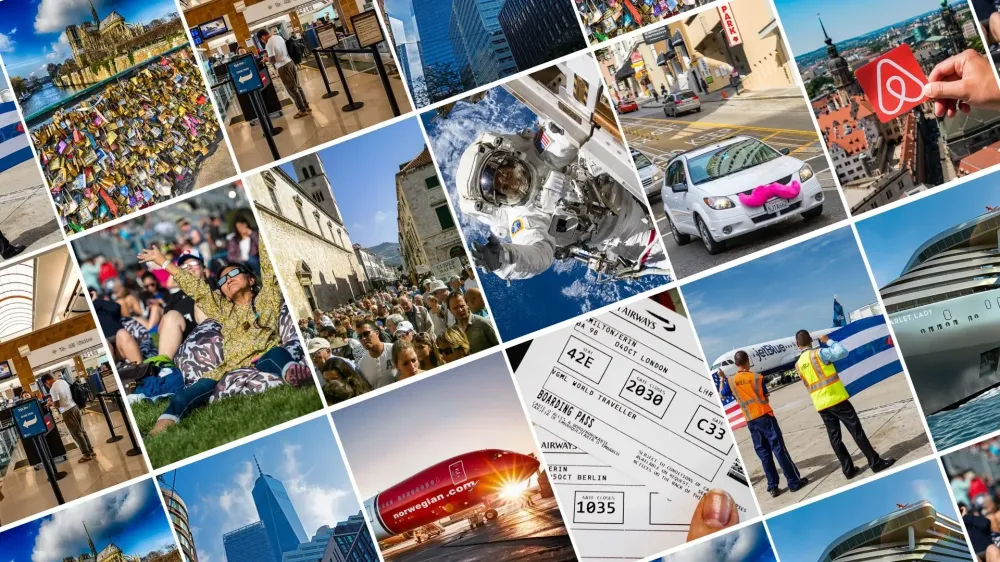
Travel Trends from the Past That Changed Tourism – Tourism did not become what it is today overnight. Long before budget airlines, digital nomads, and online bookings, travel was shaped by powerful trends that slowly transformed how people explore the world. Some of these trends may feel outdated now, but their influence is still deeply embedded in modern tourism.
Looking back at travel trends from the past helps us understand why tourism works the way it does today. From luxury train journeys to the rise of package tours, these shifts laid the foundation for global travel as we know it.
The Era of Grand Tours and Elite Travel
In the 17th and 18th centuries, travel was not something everyone could enjoy. It was mostly reserved for the wealthy, especially young European aristocrats. One of the earliest travel trends that changed tourism was the Grand Tour.
Travel as Education and Status
The Grand Tour was considered a rite of passage. Young travelers would spend months or even years visiting cultural centers like Paris, Rome, Venice, and Florence. Travel was not about relaxation but about education, art, and social prestige.
This trend introduced the idea that travel could shape identity and personal growth. Today’s cultural tourism, museum hopping, and heritage trips are rooted in this early concept of meaningful travel.
Steam Power and the Birth of Mass Transportation
The industrial revolution changed everything, including how people moved from one place to another. Steam-powered trains and ships made long-distance travel faster, safer, and more affordable.
How Railways Opened Tourism to the Public
Before trains, travel was slow and uncomfortable. With railways connecting major cities, tourism expanded beyond the elite. Middle-class travelers could finally explore new destinations without extreme cost or risk.
Railway hotels, guidebooks, and standardized routes began to appear. This period marked the transition from exclusive travel to early mass tourism, a major turning point in global tourism history.
The Rise of Seaside Holidays
One of the most influential travel trends from the past was the popularity of seaside vacations. In the 19th century, coastal towns transformed into tourist hotspots almost overnight.
Health, Leisure, and Coastal Escapes
Seaside travel was originally linked to health benefits. Doctors believed that sea air and saltwater bathing could cure illnesses. As a result, destinations like Brighton, Nice, and Atlantic City grew rapidly.
Over time, seaside travel became associated with leisure and relaxation. This trend shaped modern beach tourism, resorts, and coastal travel economies that still dominate global tourism today.
Package Tours and Organized Travel
The introduction of organized tours changed tourism more than most people realize. In the mid-1800s, companies began offering pre-arranged travel packages that included transportation, accommodation, and itineraries.
Making Travel Simple and Accessible
One of the pioneers of this trend was Thomas Cook. His package tours removed uncertainty from travel and made it accessible to people who had never traveled before.
This concept still exists today through all-inclusive resorts, guided tours, and travel agencies. Even modern online travel platforms follow the same principle of convenience and planning efficiency.
The Golden Age of Luxury Travel
While mass tourism was growing, luxury travel also experienced its own golden era. From the late 19th to early 20th century, luxury trains and ocean liners defined high-end tourism.
Trains and Ships as Travel Icons
Trains like the Orient Express and ocean liners like the Titanic offered more than transportation. They were destinations themselves, featuring fine dining, elegant cabins, and elite social environments.
This trend shaped the modern idea of experiential travel, where the journey is just as important as the destination. Luxury cruises and premium rail experiences today are direct descendants of this era.
The Jet Age and Global Tourism Expansion
The introduction of commercial jet travel in the mid-20th century completely reshaped tourism. Suddenly, international travel became faster and more accessible than ever before.
How Air Travel Changed Destinations Forever
Long-haul destinations that once took weeks to reach became accessible in hours. This led to the rapid development of international tourism hubs across Asia, the Americas, and the Middle East.
The jet age also encouraged short-term vacations, city breaks, and frequent travel. Modern tourism’s global scale would not exist without this revolutionary shift.
Backpacking and Independent Travel Movements
In the 1960s and 1970s, a new travel trend emerged that challenged traditional tourism models. Backpacking and independent travel became symbols of freedom and self-discovery.
Traveling Beyond Tourist Routes
Young travelers began exploring off-the-beaten-path destinations, staying in hostels, and prioritizing experiences over comfort. This movement introduced the idea of budget travel and cultural immersion.
Today’s solo travel, digital nomad lifestyle, and alternative tourism trends are all influenced by this era of independent exploration.
Technology and the Shift Toward Self-Planned Travel
Although digital travel tools feel modern, their roots can be traced back to earlier trends of self-guided tourism. Guidebooks, printed maps, and travel clubs were early tools that empowered travelers.
From Guidebooks to Digital Platforms
Travelers gradually moved away from fully guided tours toward independent planning. This shift prepared the tourism industry for online booking systems, review platforms, and personalized travel experiences.
The desire for control, flexibility, and authenticity continues to shape how people travel today.
Why Past Travel Trends Still Matter Today
Understanding travel trends from the past is more than a history lesson. These movements explain why tourism infrastructure, traveler behavior, and destination marketing look the way they do now.
From educational travel and mass transportation to luxury experiences and independent exploration, each trend contributed something essential to modern tourism. The industry continues to evolve, but its foundations remain deeply connected to these historical shifts.
As tourism adapts to new challenges and technologies, the influence of past travel trends reminds us that travel is always shaped by human needs, curiosity, and the desire to explore beyond familiar boundaries.

2026 Travel Trends: Glowmads & Supermarket Souvenir Hunts
2026 Travel Trends: Glowmads & Supermarket Souvenir Hunts – Travel in 2026 is no longer just about ticking destinations off a bucket list. The way people travel is shifting fast, driven by lifestyle changes, remote work freedom, and a growing desire for experiences that feel real, personal, and a little unexpected. Two travel trends are starting to dominate conversations among travelers, bloggers, and industry insiders alike: Glowmads and Supermarket Souvenir Hunts.
These trends may sound niche at first, but they reflect a much bigger movement in global travel. Travelers want more meaning, more connection, and fewer tourist traps. Let’s take a closer look at why these trends are rising and how they are shaping the way people explore the world in 2026.
The Rise of Glowmads in 2026 Travel
The term “Glowmads” is gaining popularity as an evolution of digital nomads. While digital nomads focus on working remotely while traveling, Glowmads take things a step further. This group prioritizes personal growth, wellness, and lifestyle “glow-ups” as part of their travel journey.
Glowmads are not just chasing cheap destinations with good Wi-Fi. They are choosing places that help them feel healthier, more inspired, and more aligned with their personal goals.
What Makes Glowmads Different from Digital Nomads?
Glowmads travel with intention. Their trips are often built around self-improvement, whether that means mental health, physical wellness, creativity, or career clarity. Instead of hopping between crowded co-working hubs, they often stay longer in one place to fully absorb the local rhythm.
Destinations popular among Glowmads usually offer a mix of calm environments and modern comfort. Think coastal towns, mountain villages, or underrated cities with strong wellness cultures. Access to yoga studios, healthy food options, nature, and slow living matters just as much as internet speed.
Popular Glowmad Destinations in 2026
In 2026, Glowmads are gravitating toward places that feel restorative rather than overwhelming. Southeast Asia remains a favorite, especially locations like Bali’s quieter regions, northern Thailand, and coastal Vietnam. Southern Europe is also seeing a rise in Glowmad travelers, with destinations like Portugal, Greece, and parts of Italy offering the perfect blend of culture and balance.
Latin America is emerging as a strong contender as well. Cities and small towns in Mexico, Colombia, and Costa Rica are attracting Glowmads looking for affordability, warmth, and community-focused living.
Why the Glowmad Lifestyle Is Booming
One major reason Glowmads are trending is burnout. After years of fast-paced work culture and digital overload, travelers want trips that genuinely improve their quality of life. Travel is no longer an escape; it’s a tool for reset and growth.
Social media also plays a role. Instead of flashy luxury travel, people are drawn to authentic stories of transformation. Morning routines in quiet towns, local cafés, nature walks, and mindful living resonate more deeply than traditional travel flexing.
Supermarket Souvenir Hunts: A New Way to Collect Memories
While Glowmads focus on how they live while traveling, another trend is changing how travelers shop abroad. Supermarket Souvenir Hunts are becoming a favorite activity for travelers who want meaningful, affordable, and local souvenirs.
Rather than buying keychains or magnets, travelers are heading straight to local supermarkets to find items they can’t get back home.
Why Supermarkets Are the New Tourist Attraction
Supermarkets offer a raw and honest snapshot of everyday life in a destination. From packaging design to product selection, everything reflects local habits, tastes, and culture.
In 2026, travelers are intentionally setting aside time to explore grocery stores in foreign countries. Snacks, instant noodles, sauces, candies, drinks, and even cleaning products have become popular souvenirs. These items feel more personal and often spark stronger memories than traditional tourist goods.
The Emotional Appeal of Supermarket Souvenirs
Supermarket souvenirs tell stories. Opening a snack months after returning home can instantly bring back memories of a trip. The smell, taste, or packaging triggers emotions tied to a specific place and moment.
This trend also aligns with minimalist travel values. Supermarket items are usually small, affordable, and consumable, making them perfect for travelers who don’t want clutter.
Social Media and the Growth of Supermarket Souvenir Hunts
Platforms like TikTok and Instagram have helped fuel this trend. Short videos showcasing “what I bought at a local supermarket” perform incredibly well because they feel relatable and authentic.
In 2026, travelers are less interested in polished travel content and more drawn to real-life experiences. Supermarket hauls show the human side of travel and highlight cultural differences in a fun, accessible way.
How These Travel Trends Reflect a Bigger Shift
Both Glowmads and Supermarket Souvenir Hunts point to a deeper change in travel behavior. Travelers are moving away from surface-level tourism and toward experiences that feel grounded and real.
Instead of rushing through landmarks, people are slowing down, observing daily life, and building emotional connections with destinations. Travel becomes less about showing where you’ve been and more about how the place made you feel.
This shift also supports local economies in a different way. Staying longer in one place, shopping locally, and engaging with everyday spaces benefits communities more sustainably than mass tourism hotspots.
What This Means for Travel Brands and Bloggers
For travel brands, content creators, and SEO-focused websites, these trends open new opportunities. Articles that explore lifestyle-based travel, wellness destinations, and cultural habits are likely to perform well in 2026.
Instead of generic travel guides, audiences are searching for deeper insights. They want to know how it feels to live somewhere, not just what to see. Topics like local food culture, daily routines, and hidden lifestyle benefits are becoming highly searchable.
Supermarket-focused content is also surprisingly strong for organic traffic. Reviews of local snacks, grocery shopping guides, and cultural food comparisons attract curious readers looking for authentic travel inspiration.
The Future of Travel Experiences
As 2026 unfolds, travel will continue to evolve beyond traditional tourism models. Glowmads and Supermarket Souvenir Hunts may seem like small trends, but they represent a major shift in mindset.
Travelers want growth, authenticity, and connection. They want stories that last longer than a photo and souvenirs that carry real meaning. Whether it’s building a healthier lifestyle abroad or discovering culture through supermarket aisles, the future of travel is deeply personal.
For anyone planning trips, creating content, or building travel-related websites, understanding these trends is no longer optional. They are shaping how people move, explore, and remember the world in 2026 and beyond.
Travel Industry Turmoil Delays Crises and Broken Journeys
Travel Industry Turmoil Delays Crises and Broken Journeys – The travel industry, once celebrated for its constant movement and seamless experiences, has faced unprecedented turmoil in recent years. From sudden delays and operational crises to broken journeys and frustrated travelers, the sector is grappling with challenges that have reshaped how people plan, book, and experience travel.
While some disruptions are temporary, others point to deeper structural issues affecting airlines, airports, and tourism services globally. Understanding these dynamics is essential for anyone involved in the travel ecosystem, whether as a professional, investor, or frequent traveler.
The Growing Wave of Travel Delays
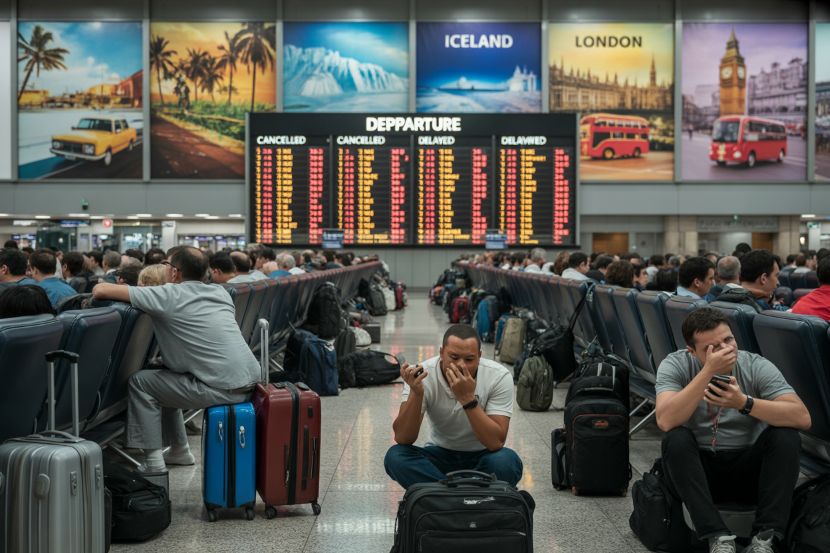
One of the most visible signs of turmoil in the travel industry is the surge in delays. Flights, trains, and other modes of transport have increasingly struggled to maintain schedules, creating a ripple effect that frustrates travelers and complicates operations.
Causes of Persistent Delays
Multiple factors contribute to these delays. Staffing shortages remain a primary concern, as airlines, ground staff, and airport operators continue to rebuild their workforce after pandemic-related layoffs. Seasonal surges, unexpected maintenance issues, and air traffic congestion also contribute to the growing unpredictability of travel schedules.
Weather disruptions are another factor, with extreme conditions like storms, heatwaves, and snowfall leading to sudden cancellations or route adjustments. In an interconnected industry, even minor disruptions in one hub can trigger delays across continents.
Impact on Travelers and Businesses
Delays affect more than just schedules; they influence traveler trust and spending behavior. Frustrated passengers may abandon plans, seek refunds, or avoid certain carriers altogether. For airlines and travel agencies, repeated delays can harm reputation and long-term customer loyalty.
Businesses that rely on predictable travel—conferences, meetings, and tourism activities—also bear the brunt. Event cancellations and rescheduling add logistical costs and reduce revenue for local economies.
Crises That Shake the Industry
Beyond delays, the travel industry has faced multiple crises that test its resilience. Economic shifts, geopolitical tensions, and environmental disasters have combined to create an uncertain environment for both operators and travelers.
Economic and Political Pressures
Rising fuel costs, fluctuating currency exchange rates, and inflation impact ticket prices and profitability. Airlines are often forced to make difficult decisions, including route reductions or temporary closures of hubs.
Political instability in certain regions also plays a role. Travel advisories, visa restrictions, and sudden border closures disrupt itineraries and deter international visitors. Even in otherwise stable markets, policy uncertainty can make long-term planning difficult for airlines and tourism operators alike.
Environmental and Health Crises
Natural disasters like hurricanes, wildfires, and floods not only delay travel but also damage critical infrastructure. Airports, roads, and hospitality facilities may close for days or weeks, leaving travelers stranded.
The lingering effects of health crises, most notably the global pandemic, have further shaped traveler expectations. Hygiene, safety protocols, and contingency planning are now central to operational strategies. Travelers have become more cautious, prioritizing flexible booking and refund options.
Broken Journeys and Traveler Frustration
Perhaps the most visible outcome of these challenges is the rise of broken journeys—trips interrupted by cancellations, missed connections, or logistical failures.
Personal Stories of Travel Disruption
Passengers increasingly report experiences where entire itineraries are disrupted. Missed flights, long waits at airports, and lost luggage have become common complaints. For families, business travelers, and solo adventurers alike, these disruptions can turn what should have been memorable experiences into stressful ordeals.
Social media amplifies these stories, influencing public perception and shaping future travel decisions. Online reviews, travel blogs, and forums highlight the importance of reliability in an industry that relies heavily on trust.
Industry Responses to Minimize Frustration
Travel operators have started responding with solutions designed to mitigate the impact of broken journeys. Flexible booking policies, instant rebooking services, and real-time communication tools are increasingly standard.
Airlines are investing in digital infrastructure to predict delays, monitor operations, and proactively inform passengers. Travel agencies are offering insurance options and “backup plans” to help clients manage unexpected disruptions. While these measures do not eliminate problems entirely, they improve traveler experience and reduce frustration.
How Travel Businesses Adapt
Despite the turmoil, the travel industry is resilient. Operators are experimenting with new models, leveraging technology, and rethinking service delivery to adapt to an unpredictable environment.
Technology and Data-Driven Solutions
Digital tools now play a central role in managing travel disruptions. Predictive analytics allow airlines and operators to anticipate delays, optimize staffing, and adjust schedules dynamically. Mobile apps provide travelers with real-time updates, alternative route suggestions, and customer support.
Artificial intelligence and machine learning are helping identify patterns in cancellations, delays, and traveler behavior. By leveraging this data, businesses can respond faster and minimize the impact of crises on both operations and customer satisfaction.
Diversification and Flexible Strategies
Many travel businesses are diversifying their offerings to maintain stability during disruptions. Airlines expand cargo services, tour operators create local or short-distance packages, and hotels invest in long-stay accommodations.
Flexibility has become a core strategy. Refundable tickets, adaptable itineraries, and multi-modal travel solutions allow businesses to maintain revenue streams even when traditional travel demand fluctuates.
Looking Ahead: A Resilient Yet Fragile Industry
The travel industry’s turmoil shows that while recovery is possible, fragility remains a constant concern. Delays, crises, and broken journeys highlight structural weaknesses but also encourage innovation and adaptability.
Prioritizing Customer Experience
Moving forward, prioritizing customer experience is no longer optional. Reliable communication, proactive problem-solving, and transparent policies will define which travel businesses thrive. Travelers are more informed and demanding, and meeting their expectations is critical for long-term success.
Embracing Sustainability and Preparedness
Environmental sustainability and crisis preparedness are increasingly central to strategy. From investing in resilient infrastructure to adopting green practices, the industry must balance growth with long-term viability. Companies that plan for future disruptions—whether economic, environmental, or operational—will be better positioned to weather ongoing turbulence.
Conclusion
The travel industry faces an era defined by delays, crises, and broken journeys. While these challenges have disrupted operations and frustrated travelers, they have also prompted innovation and strategic adaptation.
For airlines, operators, and tourism businesses, understanding the causes of these disruptions and investing in solutions is essential. For travelers, flexibility and awareness have become critical for navigating modern travel experiences.
Despite the turmoil, the travel industry remains resilient, capable of bouncing back and redefining the journey experience. Those who embrace adaptability, technology, and customer-focused strategies will lead the way in shaping a smoother, more reliable future for global travel.
Global Travel Business News Routes Policies and Demand
Global Travel Business News Routes Policies and Demand – The global travel business continues to evolve at a rapid pace, driven by changing travel demand, new airline routes, and shifting government policies. As borders reopen and consumer confidence gradually stabilizes, the travel industry is entering a new phase that looks very different from the pre-pandemic era. Airlines, travel agencies, airports, and tourism boards are all adapting their strategies to stay competitive in an increasingly dynamic global market.
Understanding how routes, policies, and demand interact is now essential for anyone involved in the travel business. These three elements influence ticket prices, destination popularity, and long-term growth opportunities across the industry.
The Role of New Travel Routes in Global Expansion
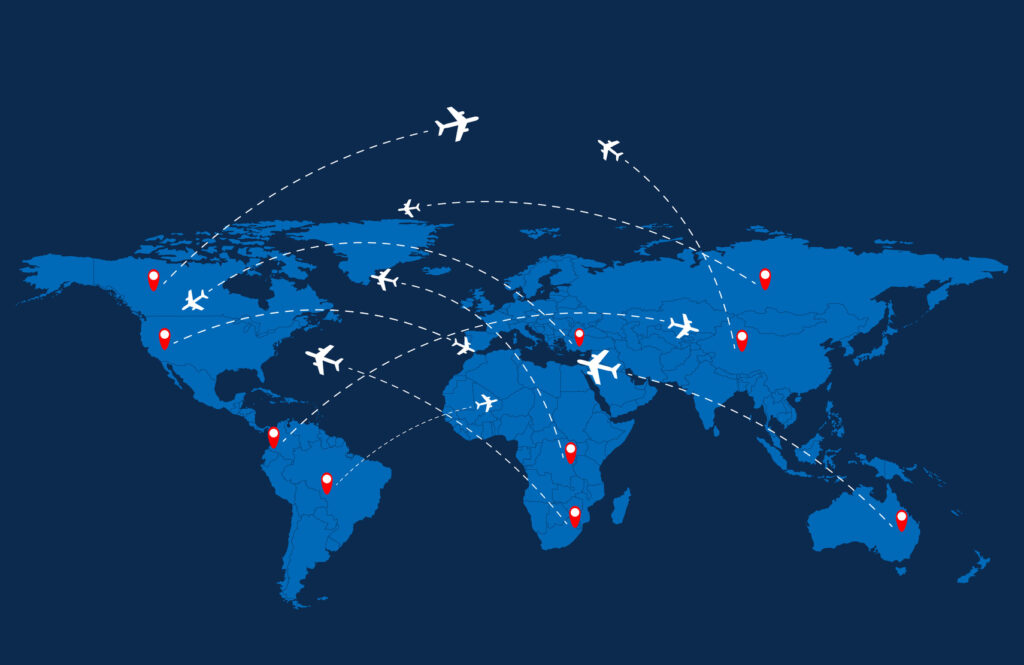
One of the clearest signals of recovery in the travel business is the steady expansion of international and regional routes. Airlines are no longer focused solely on restoring old connections. Instead, many are experimenting with new routes that align with current travel demand and changing passenger behavior.
Emerging Destinations Gain Attention
Secondary cities and emerging travel destinations are gaining more attention than ever before. Travelers are increasingly interested in less crowded locations, cultural experiences, and alternative tourism hubs. As a result, airlines are launching direct flights to cities that were previously underserved.
This shift benefits both travelers and local economies. Direct routes reduce travel time, lower operational costs for airlines, and create new tourism opportunities. For the global travel business, these route expansions represent a strategic move toward diversification and resilience.
Strategic Airline Partnerships
Another important trend in route development is the rise of strategic airline partnerships and codeshare agreements. Instead of operating every route independently, airlines are collaborating to extend their global reach. These partnerships help airlines manage costs while offering passengers more destination options.
For business travelers, improved connectivity means smoother journeys and fewer layovers. For leisure travelers, it opens access to new regions without complicated itineraries. This approach reflects a smarter, demand-driven route strategy within the global travel business.
Government Policies and Their Impact on Travel
Travel policies remain a powerful force shaping global mobility. Visa regulations, entry requirements, aviation agreements, and tourism policies directly influence travel demand and route planning.
Visa Policies and Cross-Border Travel
Countries that simplify visa processes often see a noticeable increase in inbound travel. Digital visas, visa-on-arrival programs, and regional travel agreements make international trips more accessible and attractive. In contrast, strict or unclear visa policies can slow recovery and discourage potential visitors.
For the global travel business, flexible visa policies translate into stronger demand and more stable passenger flows. Airlines and tour operators closely monitor these changes when planning new routes or marketing campaigns.
Aviation Regulations and Open Skies Agreements
Open skies agreements and bilateral aviation policies also play a critical role in shaping the travel industry. These agreements allow airlines from different countries to operate freely between destinations, encouraging competition and lowering ticket prices.
When governments adopt open aviation policies, travelers benefit from more choices and better pricing. For airlines, it creates opportunities to expand internationally without excessive regulatory barriers. This balance between regulation and market freedom continues to define the future of global travel business growth.
Shifting Travel Demand in a Post-Pandemic World
Travel demand has changed significantly in recent years, and these changes are reshaping how the industry operates. While overall travel volumes are recovering, traveler preferences are more diverse and less predictable than before.
Leisure Travel Leads the Recovery
Leisure travel has become the primary driver of global travel demand. Many travelers prioritize experiences, relaxation, and meaningful trips over frequent short-haul business travel. Destinations offering nature, wellness, and cultural authenticity are seeing stronger interest.
This shift has encouraged airlines and travel businesses to focus on seasonal routes, flexible ticket options, and experience-based travel packages. Leisure-focused demand now plays a central role in route planning and pricing strategies.
Business Travel Adapts, Not Disappears
While business travel has not fully returned to previous levels, it is evolving rather than disappearing. Companies are more selective about travel, focusing on high-value trips such as conferences, negotiations, and relationship-building meetings.
This change has influenced airline cabin configurations, loyalty programs, and corporate travel policies. Premium economy and flexible booking options are gaining popularity as businesses seek value without sacrificing comfort.
Digital Transformation in the Travel Business
Technology is now deeply embedded in every aspect of the global travel business. From booking platforms to airport operations, digital tools are shaping how travel demand is managed and forecasted.
Data-Driven Demand Forecasting
Airlines and travel companies increasingly rely on data analytics to predict demand trends. Real-time booking data, search behavior, and historical patterns help businesses adjust capacity and pricing more accurately.
This data-driven approach allows companies to respond quickly to changes in demand, whether caused by policy shifts, economic conditions, or global events. It also reduces risk and improves operational efficiency.
The Rise of Personalized Travel Experiences
Personalization has become a key competitive advantage. Travelers expect tailored offers, flexible schedules, and relevant recommendations. Digital platforms enable travel businesses to deliver customized experiences based on user preferences and behavior.
For the global travel business, personalization strengthens customer loyalty and increases long-term value. It also supports more effective marketing strategies aligned with real demand.
Future Outlook for Global Travel Business
Looking ahead, the global travel business is expected to continue its gradual expansion, supported by improving connectivity, adaptive policies, and evolving demand patterns. Sustainability, technology, and collaboration will play increasingly important roles.
Environmental concerns are pushing airlines to invest in fuel-efficient aircraft and explore sustainable aviation fuels. Governments and industry stakeholders are also working together to balance growth with environmental responsibility.
At the same time, travelers are becoming more informed and selective. Transparency, flexibility, and value will define success in this competitive landscape. Businesses that align routes, policies, and demand with these expectations are more likely to thrive.
Conclusion
The global travel business stands at a critical intersection of opportunity and transformation. New routes are reshaping connectivity, government policies are redefining mobility, and changing demand is influencing how people travel. Together, these factors create a complex but promising future for the industry.
For travel businesses, staying informed and adaptable is no longer optional. Understanding how routes, policies, and demand interact provides a strategic advantage in an industry that continues to evolve. As global travel regains momentum, those who respond intelligently to these trends will help shape the next chapter of international travel.