April 19, 2026

Travel Industry News and Information Guide

Explore travel industry news and information covering destinations, tourism trends, and travel planning insights.

Maret 7, 2026 | Opqx1

UNESCO Heritage Sites Face Growing Pressure to Improve

Accessibility Barriers at UNESCO Heritage Sites Exposed

UNESCO Heritage Sites Face Growing Pressure to Improve Accessibility for Travelers – Visiting a UNESCO World Heritage Site is often seen as a once-in-a-lifetime experience. Travelers flock to iconic landmarks to witness centuries of history, breathtaking architecture, and cultural significance. Yet, for many visitors with disabilities, these experiences remain out of reach. Accessibility barriers, from uneven stone paths to limited signage and steep staircases, continue to challenge millions of travelers worldwide.

As the travel industry evolves, inclusivity and accessible tourism have become central to sustainable growth. Heritage sites now face increasing pressure to find solutions that balance historical preservation with modern accessibility standards.

The Rising Demand for Inclusive Heritage Tourism

Over the past decade, the travel industry has witnessed a shift in priorities. Modern travelers are no longer content with simply visiting famous destinations; they expect experiences that are inclusive, seamless, and adaptable to a range of needs. People with mobility challenges, visual impairments, or other disabilities increasingly represent a significant portion of global travelers, and their expectations are reshaping tourism strategies.

Accessible tourism has emerged as more than a niche concept—it is now a critical factor in attracting and retaining visitors. UNESCO Heritage Sites, renowned for their cultural and historical value, are under scrutiny to ensure that no traveler is left behind. Tour operators, travel bloggers, and accessibility advocates are amplifying voices that call for thoughtful design, better infrastructure, and innovative solutions.

Understanding the Accessibility Gap at Heritage Sites

Historic landmarks often carry architectural features that were never designed with accessibility in mind. Narrow corridors, ancient staircases, steep inclines, and cobblestone pathways create obstacles for wheelchair users or travelers with limited mobility. Even seemingly simple tasks, such as reaching a viewpoint or entering a museum, can become challenging.

For travelers with visual impairments, the lack of tactile guidance, braille signage, or audio tours can diminish the experience. Families traveling with elderly members or young children may also encounter difficulties navigating uneven terrain. As a result, what should be a memorable adventure can quickly turn into a frustrating journey.

Balancing Preservation and Accessibility

One of the core challenges for heritage managers is preserving historical authenticity while improving accessibility. UNESCO Heritage Sites often operate under strict conservation regulations, limiting the extent of structural modifications. Installing ramps, elevators, or modern pathways may raise concerns among preservationists about altering centuries-old architecture.

Despite these challenges, many experts argue that accessibility improvements can coexist with preservation goals. Careful planning, creative design, and modern engineering allow for subtle upgrades that respect the site’s history. Smooth pathways that blend with the natural environment, discreet ramps, and virtual navigation tools can significantly enhance visitor experiences without compromising authenticity.

Innovative Solutions in Inclusive Travel

Several heritage sites around the world are already experimenting with innovative approaches to accessibility. Some have introduced alternative routes that allow wheelchair users to reach key areas. Others provide tactile maps, digital guides, or audio storytelling to help visually impaired visitors engage with historical content.

Technology is playing an increasingly vital role in bridging the accessibility gap. Mobile apps can offer interactive maps, augmented reality experiences, and step-by-step navigation through complex structures. Virtual tours are also expanding access to areas that remain physically challenging, allowing travelers to explore UNESCO sites remotely or plan their visit with confidence.

Museums and visitor centers associated with heritage sites are joining this movement. Audio descriptions, multilingual narration, and touchable replicas of artifacts make cultural heritage more tangible and inclusive. By integrating these solutions, heritage destinations not only enhance accessibility but also enrich the overall visitor experience.

Economic and Social Benefits of Accessible Tourism

Improving accessibility is not just a matter of social responsibility—it also makes economic sense. The global accessible tourism market represents billions of dollars in potential revenue, as travelers with disabilities often travel with family or companions. Investing in infrastructure, services, and inclusive experiences opens doors to a broader audience and encourages repeat visits.

Local businesses benefit as well. Hotels, restaurants, and transportation providers that prioritize accessibility often see increased customer loyalty and positive reviews. Heritage sites that embrace inclusive design can position themselves as leaders in sustainable and responsible tourism, attracting both domestic and international travelers.

Moving Toward a More Inclusive Future

The future of heritage tourism is increasingly tied to inclusivity. Cultural organizations, tourism boards, and heritage authorities are collaborating to identify barriers and implement practical solutions. Accessibility audits, community feedback, and user testing are becoming standard practice to ensure that improvements meet real-world needs.

Education also plays a critical role. Heritage managers and conservation teams are receiving training in universal design principles and visitor services, allowing them to plan upgrades that enhance accessibility without undermining historical integrity. As awareness grows, accessibility is shifting from being optional to essential, making cultural heritage genuinely available to everyone.

Embracing Change in Travel Industry Standards

Travel industry professionals are taking note. Tour operators, travel agencies, and digital platforms are increasingly highlighting accessible destinations and services. Online resources now allow travelers to search for heritage sites based on mobility access, assistive services, or digital experiences. This trend demonstrates that inclusive travel is not only a moral imperative but also a strategic business decision.

By embracing accessibility, UNESCO Heritage Sites can enhance visitor satisfaction, broaden market reach, and strengthen their role in global tourism. Travelers today expect destinations that are welcoming, adaptable, and memorable. Those sites that respond effectively will lead the way in shaping the future of heritage tourism.

Conclusion

Accessibility barriers at UNESCO Heritage Sites are no longer a peripheral concern—they are central to the travel experience and the sustainability of heritage tourism. While balancing preservation with inclusivity is challenging, creative solutions, technology, and industry collaboration are paving the way for meaningful change.

Making heritage sites accessible benefits everyone: travelers gain fuller, more enriching experiences, local communities enjoy economic growth, and cultural legacies are shared without limits. In the evolving landscape of global tourism, inclusive design is not just an option—it is the future.

Maret 4, 2026 | Opqx1

Why Wellness Travel Is Not Just a Trend But a Lifestyle Shift

Why Wellness Travel Is Not Just a Trend But a Lifestyle Shift

Why Wellness Travel Is Not Just a Trend But a Lifestyle Shift – Travel used to be about ticking destinations off a list. People chased landmarks, snapped photos, and rushed from one attraction to another. But something has changed. Today, more travelers are looking for something deeper. They want to feel better, think clearer, and return home healthier than when they left. This is where wellness travel comes in.

Wellness travel is no longer just a niche market for yoga lovers or spa enthusiasts. It has become a global lifestyle movement. From digital detox retreats in Bali to thermal baths in Europe, the focus is shifting from sightseeing to self-care. And this shift is not temporary. It reflects how people now prioritize health, balance, and mindful living.

The Rise of Wellness Travel Around the World

The growth of wellness travel did not happen overnight. As modern life became faster and more stressful, people began searching for meaningful ways to recharge. Long working hours, constant notifications, and urban pressure have made rest and recovery essential rather than optional.

Destinations like Ubud have become global hotspots for yoga retreats and holistic healing. Meanwhile, places such as Sedona attract visitors seeking spiritual renewal and energy healing experiences. In Europe, towns like Baden-Baden are famous for their historic thermal baths and spa culture.

These destinations are not popular just because they are beautiful. They offer something more valuable: restoration. Travelers now search for keywords like “wellness retreats,” “holistic travel experiences,” and “mindful vacation packages.” The demand shows that wellness travel is more than a passing trend. It is a response to modern lifestyle challenges.

From Vacation to Transformation

Traditional vacations focus on escape. Wellness travel focuses on transformation. That is a major difference.

Instead of coming home exhausted from packed schedules, wellness travelers aim to return refreshed and inspired. Activities often include meditation sessions, plant-based cuisine, nature immersion, spa therapy, and fitness programs. The goal is not just relaxation but personal growth.

For example, retreats in Tulum combine beachfront serenity with mindfulness workshops. Travelers participate in sunrise yoga, breathwork sessions, and sustainable living practices. These experiences encourage long-term lifestyle changes rather than short-term relaxation.

This transformation-driven approach explains why wellness tourism continues to grow. People are not simply buying a trip; they are investing in their well-being.

Mental Health Is Now a Travel Priority

One of the biggest reasons wellness travel is becoming a lifestyle shift is the global awareness of mental health. Burnout is common, and many professionals struggle with stress and anxiety. Traveling with intention provides a structured break from daily routines.

Locations surrounded by nature, such as Swiss Alps, offer hiking, clean air, and digital disconnection. Nature-based wellness tourism has been proven to improve mood and reduce stress levels. This connection between travel and mental health makes wellness tourism feel necessary rather than luxurious.

Travelers are also choosing silent retreats, mindfulness camps, and digital detox experiences. These options reflect a deeper need for clarity and balance in a constantly connected world.

Wellness Travel and Sustainable Living

Another reason wellness travel represents a lifestyle shift is its strong connection to sustainability. Modern travelers care about how their trips impact the environment and local communities.

Eco-friendly resorts, organic farms, and sustainable accommodations are becoming more popular. In destinations like Costa Rica, wellness resorts often combine jungle conservation with holistic healing programs. Visitors can practice yoga in open-air studios while supporting environmental preservation.

This alignment between personal health and planetary health is powerful. Wellness travel encourages mindful consumption, locally sourced food, and respect for nature. These values often continue after travelers return home.

When someone learns about plant-based nutrition at a retreat or experiences farm-to-table dining during their stay, those habits frequently become part of their everyday lifestyle.

The Digital Detox Movement

Modern life revolves around screens. Emails, social media, and constant notifications create mental fatigue. Wellness travel offers a break from this digital overload.

Destinations like Bhutan promote happiness and mindfulness as part of national identity. Many retreats encourage limited phone use, helping visitors reconnect with themselves and their surroundings.

This digital detox aspect is a key SEO driver in the wellness travel industry. Searches for “digital detox retreat,” “off-grid wellness vacation,” and “mindful travel experience” continue to increase. People are not only traveling to see new places but to disconnect from technology and reconnect with their inner selves.

A Growing Industry With Long-Term Potential

The wellness tourism industry is expanding globally, with luxury hotels, boutique resorts, and even cruise lines integrating wellness programs into their offerings. Major hospitality brands now include spa treatments, meditation classes, and health-focused menus as standard amenities.

In places like Phuket, wellness resorts blend tropical landscapes with detox programs and fitness retreats. These destinations attract solo travelers, couples, and even corporate groups seeking team wellness retreats.

The reason this industry has long-term potential is simple: health will never go out of style. Unlike travel trends that fade, wellness addresses fundamental human needs. As long as people seek better physical and mental health, wellness travel will remain relevant.

Why Wellness Travel Reflects a Deeper Cultural Change

At its core, wellness travel mirrors a broader cultural transformation. People are redefining success. Instead of valuing constant productivity, many now prioritize balance, purpose, and self-care.

Remote work has also changed how people travel. Longer stays, workations, and slow travel experiences allow individuals to integrate wellness into their routines. Someone might spend a month in Canggu balancing freelance work with surf sessions and meditation classes.

This blending of work, travel, and well-being shows that wellness is not just part of a holiday. It is becoming part of daily life.

The Future of Travel Is Personal

Wellness travel is not about luxury alone. It is about personalization. Travelers want customized experiences that align with their goals, whether that means weight loss, stress reduction, spiritual exploration, or fitness improvement.

Resorts and retreats now offer tailored programs that include nutritional plans, private coaching, and holistic therapies. This individualized approach strengthens customer loyalty and encourages repeat visits.

As more people view travel as a tool for self-improvement, the line between vacation and lifestyle continues to blur.

Conclusion

Wellness travel is not just a trend driven by social media or influencer culture. It represents a genuine shift in how people approach life. Health, balance, and mindfulness are becoming priorities, and travel is one of the most powerful ways to reset and realign.

From the serene rice fields of Ubud to the peaceful mountains of the Swiss Alps, wellness destinations around the world are shaping a new kind of traveler. One who seeks meaning, not just memories.

As modern lifestyles continue to evolve, wellness tourism will only grow stronger. It is not about escaping life, but about learning how to live it better. And that is why wellness travel is more than a passing trend. It is a lifestyle shift that is here to stay.

Februari 26, 2026 | Opqx1

How the Travel Industry Is Responding to Overtourism

How the Travel Industry Is Responding to Overtourism

How the Travel Industry Is Responding to Overtourism – Over the last decade, global tourism has grown at an incredible pace. Affordable flights, social media exposure, and the rise of digital nomads have made the world feel smaller than ever. Destinations that were once considered hidden gems are now flooded with visitors year-round. While tourism brings economic growth, jobs, and cultural exchange, it also creates a serious challenge known as overtourism.

Overtourism happens when too many visitors arrive at a destination at the same time, putting pressure on local communities, infrastructure, and the environment. Cities like Venice and Barcelona have become global examples of how mass tourism can overwhelm historic neighborhoods and disrupt daily life for residents. Natural landmarks such as Mount Everest and Maya Bay have also experienced environmental damage due to excessive visitor numbers.

Today, the travel industry is no longer ignoring the issue. Airlines, hotels, governments, and tour operators are actively searching for long-term solutions. The goal is clear: protect destinations while maintaining a healthy tourism economy. Let’s explore how the travel industry is responding to overtourism and what changes are shaping the future of global travel.

The Rise of Overtourism in Popular Destinations

Mass tourism didn’t happen overnight. The growth of low-cost carriers, online booking platforms, and viral travel content accelerated travel trends rapidly. When a location becomes popular on Instagram or TikTok, visitor numbers can surge within months.

In cities like Amsterdam, local governments noticed that overcrowding was affecting housing availability and increasing living costs. Residents began voicing concerns about noise, pollution, and the loss of cultural identity. Tourism, once celebrated as a blessing, started to feel like a burden.

Island destinations have been especially vulnerable. Iceland saw visitor numbers exceed its population multiple times per year. Infrastructure such as roads, waste systems, and natural parks struggled to keep up with demand. Similar patterns appeared in Dubrovnik, where cruise ship arrivals significantly increased daily tourist density.

The travel industry realized that without intervention, overtourism could permanently damage the very attractions travelers come to see.

Government Regulations and Tourist Limits

One of the strongest responses to overtourism has come from local governments. Authorities are introducing policies designed to control visitor flow and protect communities.

For example, Venice implemented an entry fee system for day-trippers in an effort to manage crowds and generate funds for city maintenance. Meanwhile, Barcelona tightened regulations on short-term rentals to reduce housing shortages for residents.

In Southeast Asia, Thailand temporarily closed Maya Bay to allow its coral ecosystem to recover from environmental stress. The closure demonstrated that limiting access, even temporarily, can significantly restore natural environments.

National parks are also introducing reservation systems. In the United States, Yosemite National Park has implemented peak-hour reservations to reduce traffic congestion and protect natural habitats. These measures may initially seem restrictive, but they represent a shift toward sustainable tourism management.

Sustainable Tourism and Eco-Friendly Initiatives

Beyond regulation, the travel industry is investing in sustainable tourism strategies. Airlines are exploring carbon offset programs and sustainable aviation fuels. Hotel chains are adopting energy-efficient systems and reducing single-use plastics.

Destinations are encouraging travelers to explore lesser-known regions instead of concentrating in iconic hotspots. For example, instead of focusing only on Paris, tourism boards promote alternative cities and rural areas to distribute economic benefits more evenly.

Tour operators now offer smaller group tours that minimize environmental impact and provide deeper cultural experiences. Travelers are increasingly seeking authentic, responsible travel options rather than crowded attractions.

The concept of “slow travel” is also gaining popularity. Instead of visiting multiple countries in a week, travelers spend more time in one place, supporting local businesses and reducing transportation emissions. This approach benefits both the visitor and the host community.

Technology and Smart Tourism Solutions

Technology plays a crucial role in managing overtourism. Data analytics allows governments to monitor visitor patterns and predict peak travel periods. Real-time crowd tracking apps help travelers avoid congested areas.

Smart city systems are being used to control traffic flow and improve public transportation efficiency. In destinations like Amsterdam, digital campaigns even discourage certain types of party tourism while promoting cultural experiences.

Artificial intelligence and predictive modeling help tourism boards prepare infrastructure for seasonal surges. By understanding where tourists move and when, authorities can design better crowd management strategies.

Technology doesn’t just help governments. It also empowers travelers to make informed choices. With better access to information, tourists can choose off-peak travel dates and less crowded attractions.

Community-Based Tourism as a Long-Term Solution

One important shift in the travel industry is the rise of community-based tourism. Instead of large international corporations controlling all tourism revenue, local communities are directly involved in planning and benefiting from tourism activities.

In countries like Indonesia, rural villages are developing eco-tourism programs that limit visitor numbers while creating sustainable income streams. Visitors experience authentic cultural traditions, and local residents maintain control over development.

This model helps prevent the negative effects of mass tourism by keeping growth at a manageable pace. It also strengthens cultural preservation and environmental stewardship.

Travelers are increasingly aware of their impact. Many now prioritize ethical travel, fair wages, and environmental responsibility when choosing destinations and accommodations.

The Future of Travel in a Post-Overtourism Era

The travel industry understands that overtourism is not just a temporary trend. It is a structural challenge that requires long-term commitment. The future of tourism will likely focus on balance rather than unlimited growth.

Destinations may introduce dynamic pricing models, visitor caps, and seasonal promotions to spread demand more evenly throughout the year. Cruise tourism is also being reevaluated in places like Dubrovnik, where ship arrivals are now more carefully regulated.

The conversation has shifted from “How many tourists can we attract?” to “How can we protect our destination while welcoming visitors?” That change in mindset is significant.

For travelers, this means adapting to new rules, planning ahead, and embracing more responsible travel habits. Booking in advance, respecting local customs, and supporting sustainable businesses will become the norm rather than the exception.

Overtourism has forced the travel industry to rethink its priorities. While challenges remain, the global response shows promising signs of transformation. Governments, companies, and travelers are beginning to understand that protecting destinations ensures they remain beautiful and vibrant for generations to come.

The travel industry is not trying to stop tourism. Instead, it is learning how to manage it better. By combining regulation, technology, sustainability, and community involvement, the industry is slowly building a more resilient future.

As tourism continues to evolve, one thing is clear: responsible travel is no longer optional. It is the foundation for long-term success in a world where every destination deserves protection as much as it deserves admiration.

Februari 23, 2026 | Opqx1

The Rise of Experiential Travel: What Makes a Trip Unforgettable?

The Rise of Experiential Travel: What Makes a Trip Unforgettable?

The Rise of Experiential Travel: What Makes a Trip Unforgettable? – Travel has changed. A decade ago, many people planned trips around landmarks, famous buildings, and checklist attractions. Today, travelers are searching for something deeper. They want stories, emotions, and meaningful moments. This shift has given birth to what we now call experiential travel.

Experiential travel is not just about where you go, but how you experience it. Instead of rushing from one tourist spot to another, travelers now prefer immersive activities, cultural connections, and authentic interactions. The rise of experiential travel reflects a broader lifestyle change. People are no longer satisfied with simply taking photos for social media. They want to feel connected to the places they visit.

In this article, we’ll explore why experiential travel is growing so fast and what truly makes a trip unforgettable.

Why Experiential Travel Is Becoming So Popular

The demand for experiential travel has increased significantly in recent years. One of the main reasons is that modern travelers are looking for authenticity. They want to step outside their comfort zone and experience life as locals do.

Social media also plays a role, but not in the way you might think. While platforms inspire people to travel, they have also made popular destinations feel crowded and predictable. As a result, travelers now look for unique, off-the-beaten-path experiences that feel personal and exclusive.

Another key factor behind the rise of experiential travel is the desire for personal growth. Many people see travel as a way to learn new skills, understand different cultures, and gain fresh perspectives. Whether it’s learning to cook traditional pasta in Italy, practicing yoga in Bali, or joining a wildlife conservation project in Africa, these experiences leave a lasting impact.

The Shift from Sightseeing to Storytelling

Traditional tourism focused heavily on sightseeing. Visit the monument, take a picture, move on. Experiential travel flips that idea completely. Instead of collecting photos, travelers collect stories.

When someone spends a day fishing with local fishermen or joins a community festival in a small village, they create memories that cannot be replicated. These stories become the highlight of their journey, not the landmarks.

This storytelling element is what makes experiential travel unforgettable. It transforms travel into something emotional and meaningful rather than just visual.

What Makes a Trip Truly Unforgettable?

An unforgettable trip is not always about luxury or expensive resorts. In fact, some of the most memorable experiences happen in simple settings. What truly makes a trip stand out are moments of connection, discovery, and transformation.

First, human connection plays a huge role. Meeting locals, sharing meals, and having genuine conversations can completely change how you see a destination. When you feel welcomed and understood, the experience becomes personal.

Second, active participation enhances memory. Watching a dance performance is enjoyable, but learning the dance yourself is unforgettable. Experiential travel encourages hands-on activities that engage all the senses. You don’t just observe; you participate.

Third, emotional impact is key. Moments that surprise you, challenge you, or inspire you stay with you long after the trip ends. It could be witnessing a breathtaking sunrise after a long hike or volunteering in a local community. These emotional peaks define the journey.

Immersive Cultural Experiences

One of the strongest elements of experiential travel is cultural immersion. Instead of staying isolated in tourist zones, travelers seek to understand traditions, food, art, and everyday life.

Cooking classes, local workshops, farm stays, and homestays are becoming increasingly popular. These experiences allow travelers to step into the rhythm of local life. They gain a deeper appreciation for cultural diversity and often return home with new skills or perspectives.

Cultural immersion also supports local communities. When travelers spend money on local guides, artisans, and small businesses, they contribute directly to the local economy. This makes experiential travel not only rewarding but also responsible.

The Role of Adventure in Experiential Travel

Adventure is another powerful component of experiential travel. It doesn’t always mean extreme sports. Adventure can be as simple as trying unfamiliar food or exploring a hidden neighborhood.

However, for many travelers, physical challenges create strong emotional memories. Hiking remote trails, diving into crystal-clear waters, or exploring untouched landscapes all create adrenaline-fueled moments that stick in the mind.

Adventure pushes people beyond routine. It forces them to adapt, learn, and grow. These transformative moments are often what travelers talk about years later.

Experiential travel combines adventure with meaning. It’s not just about excitement, but about understanding the environment and respecting the culture behind the adventure.

How Technology Supports Experiential Travel

Interestingly, technology has both fueled and supported the rise of experiential travel. Online platforms make it easier to discover local hosts, book authentic experiences, and read real reviews from other travelers.

Travelers can now connect directly with locals offering workshops, guided tours, or cultural activities. This removes barriers and allows for more personal interactions.

At the same time, technology helps travelers research destinations more deeply. Instead of relying solely on guidebooks, they can explore blogs, forums, and videos to find unique experiences tailored to their interests.

Yet, the true essence of experiential travel often involves disconnecting from screens and being fully present. Technology may help you find the experience, but it’s the real-world engagement that makes it meaningful.

The Future of Experiential Travel

The future of travel clearly leans toward experiences over possessions. As more people prioritize meaningful memories, experiential travel will continue to grow.

Sustainable tourism is also closely connected to this trend. Travelers who seek authentic experiences are often more mindful of their environmental and social impact. They prefer eco-friendly accommodations, community-based tourism, and ethical travel practices.

Travel companies are responding by designing curated experiences rather than standard tour packages. Instead of offering generic itineraries, they focus on storytelling, personalization, and immersion.

Experiential travel is not just a trend; it reflects a deeper change in how people value time and money. Experiences create long-term happiness, while material things fade quickly.

Final Thoughts

The rise of experiential travel shows that people are craving more than just vacations. They want journeys that change them, inspire them, and connect them to the world in a meaningful way.

An unforgettable trip is built on authentic experiences, emotional moments, and real human connections. It’s about stepping into a new culture, trying something unfamiliar, and returning home with stories that last a lifetime.

As travelers continue to seek purpose and authenticity, experiential travel will remain at the heart of the tourism industry. Because in the end, it’s not about how many places you visit. It’s about how deeply you experience them.

Februari 17, 2026 | Opqx1

How Travel Apps Are Revolutionizing Last-Minute Bookings

How Travel Apps Are Revolutionizing Last-Minute Bookings

How Travel Apps Are Revolutionizing Last-Minute Bookings – Not long ago, planning a trip at the last minute felt stressful and expensive. Travelers had to call hotels directly, visit travel agencies, or sit in front of a desktop computer refreshing airline websites for deals. Today, everything has changed. Travel apps have completely transformed the way people handle last-minute bookings, making spontaneous trips easier, cheaper, and far more convenient.

With just a smartphone and a few taps, travelers can secure affordable flights, hotel rooms, rental cars, and even activities within minutes. The rise of mobile technology has reshaped the travel industry, especially for those who prefer flexibility over rigid itineraries.

In this article, we’ll explore how travel apps are revolutionizing last-minute bookings and why they have become essential tools for modern travelers.

The Rise of Mobile Travel Technology

Smartphones have become an extension of everyday life. From ordering food to managing finances, almost everything can be done through apps. The travel industry quickly adapted to this behavior by creating mobile platforms that offer instant booking features.

Travel apps are designed to be fast, user-friendly, and optimized for on-the-go decisions. Unlike traditional websites, mobile apps provide personalized notifications, real-time updates, and location-based recommendations. This technology is especially useful for last-minute bookings where timing is critical.

The growth of high-speed internet and secure mobile payment systems has further accelerated this shift. Travelers now trust apps to handle their payments safely, which removes another barrier to spontaneous travel decisions.

Instant Access to Real-Time Deals

One of the biggest advantages of travel apps is access to real-time pricing. Airlines and hotels frequently adjust their prices based on demand. Travel apps aggregate this information instantly, allowing users to compare multiple options in seconds.

For last-minute travelers, this is crucial. Instead of checking different websites manually, users can see available flights and hotel deals in one place. Many travel apps also use dynamic pricing algorithms to highlight discounted options that are about to sell out.

This immediate access to deals increases the chances of finding cheap flights and discounted hotel rooms, even when booking just hours before departure.

Personalized Recommendations for Spontaneous Travelers

Modern travel apps rely heavily on data and user behavior to provide personalized suggestions. If a traveler frequently searches for beach destinations or budget hotels, the app learns these preferences and adjusts recommendations accordingly.

For last-minute bookings, personalization saves time. Instead of browsing hundreds of options, users receive curated choices that match their travel style and budget. This makes the decision-making process smoother and less overwhelming.

Push notifications also play a major role. Many travel apps send alerts about flash sales, price drops, or limited-time hotel deals. These notifications encourage users to act quickly, which is perfect for spontaneous trips.

Location-Based Services

Another game-changing feature is location-based technology. Travel apps can detect where a user is and suggest nearby hotels, restaurants, or attractions.

Imagine arriving in a city without a reservation. Within seconds, a travel app can show available hotel rooms near your current location, complete with reviews, pricing, and photos. This level of convenience simply wasn’t possible a decade ago.

For business travelers or digital nomads, this feature makes last-minute hotel booking stress-free and efficient.

Seamless Booking Experience in Minutes

Speed matters when booking last-minute travel. Travel apps streamline the entire process, from search to payment, into a few simple steps.

Most apps store user details such as passport information, payment methods, and preferences. This eliminates the need to repeatedly fill out forms. With one-click booking options, users can confirm reservations in under a minute.

This frictionless experience significantly increases the appeal of last-minute bookings. Travelers no longer need to plan weeks in advance because the booking process itself is so simple.

Secure payment gateways and instant confirmation emails also add peace of mind. Travelers know immediately that their flight or hotel is confirmed, reducing uncertainty.

Exclusive Mobile-Only Discounts

Many travel companies offer exclusive deals through their mobile apps. These mobile-only discounts are designed to encourage direct bookings and app downloads.

For last-minute travelers, this can mean access to lower prices that are not available on desktop websites. Hotels, in particular, often reduce prices for unsold rooms as check-in time approaches. Travel apps showcase these discounted rates prominently, making them easy to find.

This pricing strategy benefits both travelers and providers. Hotels can fill empty rooms, and travelers can secure affordable accommodation at the last minute.

The competition among travel apps has also driven prices down. As platforms compete for users, they offer promo codes, cashback rewards, and loyalty points that make spontaneous bookings more attractive.

User Reviews and Social Proof

When booking last-minute, travelers have limited time to research. Travel apps solve this problem by providing detailed user reviews, ratings, and photos.

Instead of searching through multiple review websites, users can quickly read feedback from previous guests directly within the app. This transparency builds trust and reduces the risk of making poor decisions under time pressure.

High-quality images, verified reviews, and star ratings allow travelers to feel confident about their choices, even when booking just hours before arrival.

Flexibility and Easy Cancellations

Flexibility is essential for last-minute travel. Plans can change quickly, especially for business trips or spontaneous weekend getaways.

Many travel apps now highlight flexible booking options and free cancellation policies. Users can filter results to show only refundable flights or hotels. This gives travelers peace of mind and encourages them to book without hesitation.

Some apps even allow easy in-app cancellations or modifications, avoiding long customer service calls. This level of control makes last-minute travel far less risky than it once was.

Integration with Other Travel Services

Modern travel apps are no longer limited to flights and hotels. They integrate multiple services into one ecosystem.

Users can book airport transfers, car rentals, travel insurance, and local activities within the same app. This all-in-one approach simplifies trip planning, especially when time is limited.

For example, someone booking a last-minute flight can immediately reserve a rental car and hotel room in the same session. This seamless integration reduces stress and saves valuable time.

Travel itineraries are also stored digitally within the app, making it easy to access booking details, boarding passes, and check-in information.

The Impact on the Travel Industry

The rise of travel apps has significantly impacted airlines, hotels, and traditional travel agencies. Providers now prioritize mobile optimization because a large percentage of bookings happen through smartphones.

Hotels are increasingly offering special last-minute rates to stay competitive on app-based platforms. Airlines use travel apps to push flash sales and fill empty seats close to departure time.

Traditional travel agencies have had to adapt by offering digital services or partnering with online platforms. The entire industry has shifted toward instant access and real-time booking.

Why Last-Minute Travel Is Becoming the New Normal

The combination of mobile technology, flexible policies, and competitive pricing has made last-minute travel more appealing than ever.

Younger travelers, remote workers, and entrepreneurs value flexibility. Instead of planning months ahead, they prefer to make decisions based on current opportunities, weather, or mood.

Travel apps support this lifestyle by removing barriers that once made spontaneous travel difficult. Affordable deals, instant confirmations, and personalized recommendations empower users to take action quickly.

As technology continues to evolve, we can expect even smarter travel apps with AI-powered suggestions, predictive pricing alerts, and enhanced customer support.

Final Thoughts

Travel apps have fundamentally changed how people approach last-minute bookings. What was once stressful and expensive is now convenient, affordable, and even exciting.

With real-time deals, mobile-exclusive discounts, personalized recommendations, and seamless booking processes, travel apps have turned spontaneous travel into a practical option for millions of people.

As competition among travel platforms continues to grow, users can expect even better features and lower prices. For modern travelers who value flexibility and speed, travel apps are no longer optional. They are essential tools that make last-minute adventures possible.

Februari 13, 2026 | Opqx1

Travel Industry News from the Roman Empire Age

Travel Industry News from the Roman Empire Age

Travel Industry News from the Roman Empire Age – When people talk about the travel industry, most imagine modern airports, online bookings, and global tourism brands. But long before airplanes and digital tickets, the foundations of the travel industry were already being built. In fact, some of the earliest and most organized travel systems in history appeared during the era of the Roman Empire.

If we look closely at travel industry news from the Roman Empire age, we discover a surprisingly advanced system. Roads, inns, travel permits, guidebooks, and even early forms of tourism were already shaping how people moved across vast territories. For anyone interested in the history of travel, tourism evolution, or ancient infrastructure, the Roman Empire offers fascinating insight.

Let’s explore how travel worked in one of the most powerful civilizations in history.

The Roman Road Network: The Backbone of Ancient Travel

One of the biggest breakthroughs in ancient travel came from the Roman road system. The Romans constructed over 400,000 kilometers of roads across Europe, North Africa, and parts of the Middle East. These roads connected cities, military outposts, trade centers, and ports.

The famous phrase “All roads lead to Rome” was not just poetic language. It reflected the strategic design of the empire’s infrastructure. Roads were built straight whenever possible, paved with stone, and designed for durability. Many Roman roads are still visible today.

This road network changed travel completely. Before Rome’s expansion, journeys were slow, dangerous, and unpredictable. After the roads were established, travel became more structured. Soldiers, merchants, government officials, and ordinary citizens could move with greater speed and safety.

From a modern perspective, this was one of the earliest large-scale transportation systems supporting trade and tourism.

Government-Sponsored Travel: Cursus Publicus

The Roman Empire didn’t just build roads. It also created an official courier and transportation service known as the Cursus Publicus. Established during the reign of Augustus, this system allowed government officials to travel efficiently across the empire.

The Cursus Publicus provided horses, carriages, and resting stations placed at regular intervals along major routes. Authorized travelers carried official permits that granted them access to these facilities.

In today’s terms, this system functioned like a combination of a postal service and a government travel network. Messages, documents, and officials could move quickly between provinces and the capital in Rome.

While it was primarily for administrative use, its existence influenced the wider travel environment. Inns, service stations, and supply points developed along these routes, benefiting civilian travelers as well.

Inns and Accommodation in Ancient Rome

As travel increased, so did the need for accommodation. The Roman Empire had different types of inns and lodging facilities, depending on the traveler’s social status and budget.

Wealthy travelers often stayed in private villas or were hosted by influential families. However, ordinary merchants and travelers relied on inns called “mansiones” and “cauponae.”

Mansiones were official stopping points along major roads, often connected to the Cursus Publicus. They provided basic lodging, food, and stable facilities for horses. Cauponae were more like commercial inns and taverns. They offered meals, beds, and a place to rest, although their reputation was sometimes questionable.

Even in ancient times, travelers worried about safety, quality, and cost. Complaints about poor service, theft, or bad food were not uncommon. In many ways, these concerns sound very similar to modern travel reviews.

Religious Tourism and Pilgrimage

Travel during the Roman Empire was not only about politics or trade. Religion played a major role in movement across regions.

One of the most famous religious destinations was the city of Jerusalem. Pilgrims traveled long distances to visit sacred sites, attend festivals, and participate in rituals. As Christianity began to spread across the empire, travel to holy locations increased even more.

Temples dedicated to Roman gods also attracted visitors. People traveled to consult oracles, seek healing, or fulfill religious vows. Sanctuaries often developed local economies around visiting pilgrims.

This form of religious tourism significantly influenced regional development. Inns, food markets, souvenir sellers, and transport services thrived in cities known for spiritual importance. It was an early example of destination-based travel growth.

Leisure Travel Among the Roman Elite

While many traveled for duty or faith, the Roman elite traveled for pleasure. Wealthy citizens visited coastal resorts, countryside villas, and spa towns to relax.

One of the most popular leisure destinations was Pompeii before its destruction. Located near the Bay of Naples, it was known for its beautiful homes, bathhouses, theaters, and scenic views.

Another favored retreat area was around Naples, where aristocrats built luxurious villas. These locations offered mild climates, entertainment, and social gatherings.

Roman bath complexes also became attractions. Visiting grand public baths was not only about hygiene but also socializing and networking. In many ways, these experiences resembled modern resort culture.

Leisure travel helped shape a culture where travel was not just necessary but desirable. It marked an important shift toward tourism as a lifestyle choice.

Trade Routes and International Commerce

The Roman Empire connected Europe, Asia, and Africa through vast trade networks. Sea routes across the Mediterranean and land routes reaching into Asia allowed goods, ideas, and people to circulate widely.

Major ports like Alexandria served as international trade hubs. Merchants transported spices, silk, grain, precious metals, and luxury goods across continents.

This commercial activity stimulated travel demand. Merchants frequently journeyed between cities, negotiated deals, and established trade partnerships. Caravan routes extended toward the Silk Road, linking Rome indirectly with distant Asian markets.

From a travel industry perspective, trade routes were essential. They encouraged shipbuilding, harbor construction, navigation techniques, and cross-cultural exchange. These developments laid the groundwork for global travel patterns that would evolve centuries later.

Travel Risks and Safety Concerns

Despite the impressive infrastructure, travel in the Roman Empire was not entirely safe. Banditry, storms at sea, and political unrest posed real threats.

Travelers often joined caravans or groups for protection. Military patrols were stationed along certain roads, especially in unstable provinces. Sea travel, while faster in some cases, depended heavily on weather conditions.

Still, compared to many earlier civilizations, Rome offered relatively stable travel conditions during periods known as the Pax Romana. This era of relative peace allowed commerce and travel to flourish.

Safety improvements increased confidence among travelers, encouraging more movement across regions. Stability remains a key factor in tourism growth even today.

Early Travel Documentation and Guides

Interestingly, Romans also produced early forms of travel documentation. Itineraries listed routes, distances between towns, and stopping points. One example is the Antonine Itinerary, which mapped out road networks across the empire.

These documents functioned like ancient travel guides. They helped travelers estimate journey times and plan stops. While not tourism brochures in the modern sense, they show that structured travel planning already existed.

Travel permits were also required for certain routes, especially within official systems. This administrative approach reflects early regulation in the travel sector.

The Legacy of Roman Travel Infrastructure

The influence of Roman travel systems did not disappear with the fall of the empire. Many medieval roads followed Roman routes. Cities that flourished due to Roman trade and travel remained important centers for centuries.

The idea of standardized roads, roadside services, official courier systems, and destination-based economies can all trace roots back to Roman innovation.

For anyone studying travel industry history, the Roman Empire represents a major turning point. It demonstrates how infrastructure, security, religion, commerce, and leisure combined to create an interconnected world long before modern technology.

Travel industry news from the Roman Empire age may not have appeared in newspapers or online portals, but the developments of that era were revolutionary. Roads united continents, inns supported mobility, religious sites attracted pilgrims, and luxury resorts entertained the elite.

Februari 10, 2026 | Opqx1

Exploring Historical Kingdoms Castles Palaces and Cities

Exploring Historical Kingdoms Castles Palaces and Cities

Exploring Historical Kingdoms Castles Palaces and Cities – History has always fascinated travelers and culture enthusiasts alike. From towering castles perched on hills to sprawling palaces in the heart of ancient cities, historical kingdoms offer a window into the past. Exploring these places allows us to step back in time, imagining the lives of kings, queens, warriors, and ordinary people who shaped history. But beyond their beauty, castles, palaces, and historical cities tell stories of power, culture, and survival that still captivate visitors today.

The Charm of Historical Kingdoms

Historical kingdoms are more than just old buildings and cobblestone streets. They represent entire civilizations, their ambitions, and their struggles. Every stone in a castle wall, every archway in a palace, and every street in an ancient city holds a story waiting to be discovered. Exploring these places gives travelers a sense of connection to the past, as if walking alongside those who lived centuries before.

What makes these kingdoms truly fascinating is their diversity. From the medieval fortresses of Europe to the royal palaces of Asia and the grand cities of the Middle East, each kingdom reflects the culture, architecture, and values of its era. The combination of strategic defense, artistic expression, and urban planning shows how human ingenuity shaped these societies.

Castles: Fortresses of Power and Defense

Castles are often the most iconic symbols of historical kingdoms. Built for defense, they were designed to withstand sieges and attacks, serving as both a home for royalty and a military stronghold. Their high walls, moats, and watchtowers were not just architectural marvels—they were practical solutions to the dangers of the time.

The Architecture of Castles

Castle architecture varies widely depending on the region and period. European castles, for instance, often feature massive stone walls, turrets, and drawbridges. Many were strategically placed on hills or near rivers to provide natural defense advantages. In contrast, Asian fortresses, such as those in Japan or India, often incorporate intricate designs and defensive elements that blend seamlessly with the surrounding landscape.

Inside, castles were more than just fortifications. They housed royal families, soldiers, and servants, with grand halls, chapels, and living quarters reflecting the wealth and status of the rulers. Decorative elements like tapestries, carvings, and frescoes also provided insight into the culture and values of the kingdom.

Palaces: Centers of Royal Life

While castles focused on defense, palaces often prioritized luxury and administration. Palaces were the heart of political power, where kings and queens governed, held court, and entertained dignitaries. Unlike castles, palaces were built to impress, with grand halls, lush gardens, and exquisite decorations that showcased the kingdom’s prosperity.

Exploring the Grandeur

Walking through a palace today, visitors can still sense the grandeur of royal life. Ornate ceilings, intricate carvings, and elegant furniture tell stories of artistry and craftsmanship. Many palaces also feature vast gardens, fountains, and courtyards that offered relaxation and leisure for royalty.

Palaces were often centers of culture as well. Music, art, and literature flourished within their walls, supported by the patronage of kings and queens. These spaces weren’t just homes—they were symbols of the kingdom’s identity and ambition, reflecting both power and taste.

Historical Cities: Living Memories of the Past

Beyond castles and palaces, historical cities offer another layer of exploration. Cities were the lifeblood of kingdoms, where trade, politics, and daily life thrived. The layout of streets, marketplaces, temples, and public buildings tells a story about how people lived and interacted.

Streets and Architecture

Walking through an ancient city, visitors can see the evolution of architecture and urban planning. Narrow winding streets might lead to bustling squares, where merchants once sold their goods. Temples, mosques, and churches showcase the spiritual life of the community. The combination of residential, commercial, and public spaces reveals how kingdoms balanced functionality and beauty.

Many historical cities were also hubs of trade and cultural exchange. Markets filled with spices, textiles, and rare goods connected kingdoms to distant lands, bringing in ideas, art, and knowledge that shaped the city’s identity. These exchanges made historical cities dynamic centers of innovation and creativity.

Preserving History Through Tourism

Today, exploring historical kingdoms, castles, palaces, and cities is more than just sightseeing. It’s a way to preserve history and keep the stories of the past alive. Museums, guided tours, and cultural events allow visitors to engage with history in meaningful ways. By visiting these places, travelers support conservation efforts that ensure these architectural treasures endure for future generations.

Experiencing the Past

For many, exploring historical sites is an immersive experience. Walking along castle walls, admiring palace gardens, or wandering through ancient streets allows people to imagine life in a different era. It creates a connection between past and present, helping us understand how history shaped the world we live in today.

Travelers often find that each kingdom has its own personality. Some exude the grandeur of wealth and power, while others tell tales of resilience and survival. Each site offers a unique experience, combining history, culture, and storytelling in ways that books alone cannot capture.

Why Historical Kingdoms Captivate Us

There’s something undeniably captivating about historical kingdoms. They are reminders of human ambition, creativity, and the desire for legacy. Castles, palaces, and cities are more than stone and mortar—they are symbols of a civilization’s achievements, struggles, and dreams.

Exploring these sites allows us to step into the shoes of the past, imagining the lives of kings, soldiers, merchants, and artists. It’s an adventure that connects us to our shared human history, offering lessons, inspiration, and a deeper appreciation for the world’s cultural heritage.

Conclusion

Historical kingdoms, with their castles, palaces, and cities, offer travelers a journey through time. Each structure, street, and monument tells a story of power, artistry, and daily life. From fortified castles to lavish palaces and bustling ancient cities, exploring these places allows us to experience the past in a tangible way. Whether you are a history enthusiast, a curious traveler, or someone who simply loves stories of the past, these kingdoms invite you to walk through history and discover the richness of human civilization.

Visiting historical kingdoms isn’t just about sightseeing—it’s about stepping into living memories, understanding the world as it once was, and appreciating the beauty and complexity of cultures that have shaped our world today.

Februari 10, 2026 | Opqx1

How the Rise of Hybrid Travel is Changing the Way We Vacation

How the Rise of Hybrid Travel is Changing the Way We Vacation

How the Rise of Hybrid Travel is Changing the Way We Vacation – Over the past few years, the way people travel has been evolving dramatically. Traditional vacations—where people take a full break from work to relax in a new destination—are no longer the only way to recharge. The rise of hybrid travel is transforming the travel industry, blending work, leisure, and digital flexibility in ways that were unimaginable a decade ago. If you’ve noticed more colleagues sending postcards from Bali while still checking emails or friends hopping between cities while running remote meetings, you’re witnessing this trend firsthand.

What Is Hybrid Travel?

Hybrid travel, sometimes called “bleisure” travel, is a blend of business and leisure. It’s no longer strictly about going on a vacation or attending a work conference. Travelers can now work remotely from different locations, extend business trips into mini vacations, or plan trips that accommodate both professional responsibilities and personal adventures. This concept has exploded in popularity, especially after the COVID-19 pandemic forced companies to embrace remote work and flexible schedules.

Unlike traditional vacations, hybrid travel is about balance. People don’t have to completely disconnect from work, but they can still enjoy the benefits of exploring a new place. It’s a subtle shift that emphasizes personal freedom and productivity, giving travelers the power to design experiences that suit their lifestyle.

Why Hybrid Travel Is Becoming Popular

Several factors have contributed to the rise of hybrid travel. First, remote work has become mainstream. Millions of employees now have the flexibility to work from anywhere with a stable internet connection. This freedom allows travelers to combine work and leisure without feeling guilty about stepping away from the office.

Second, there’s a growing desire for meaningful travel experiences. People want more than a few days on a crowded beach or ticking off tourist spots. Hybrid travel allows them to immerse themselves in a new culture, try local cuisines, or explore off-the-beaten-path destinations, all while keeping up with work responsibilities.

Finally, the travel industry itself is adapting. Hotels, resorts, and coworking spaces now cater specifically to hybrid travelers, offering high-speed internet, ergonomic workspaces, and amenities designed for both productivity and relaxation. Airlines and travel platforms are also creating packages that appeal to this new type of traveler, making it easier than ever to plan a seamless experience.

How Hybrid Travel Changes Vacation Planning

Planning a hybrid trip requires a different mindset than traditional vacations. Instead of focusing solely on leisure activities, travelers must consider logistics that support work as well. Reliable internet access becomes a priority, as does finding accommodations with comfortable workspaces. Travelers also need to balance their schedules, blending meetings with sightseeing or downtime.

Interestingly, hybrid travel can extend the average trip length. Since travelers can work remotely, there’s less pressure to return home quickly. A business trip that used to last three days can now evolve into a two-week adventure. This shift also encourages deeper engagement with the destination, as travelers have more time to explore neighborhoods, connect with locals, and participate in cultural activities.

Another change is the emergence of digital nomad communities. Many hybrid travelers seek locations where they can meet like-minded people, share experiences, and even collaborate professionally. Cities like Lisbon, Bali, and Chiang Mai have become hubs for this type of travel, offering coworking spaces, networking events, and long-term rental options for professionals on the move.

The Impact on Tourism and Local Economies

Hybrid travel isn’t just changing individual vacations; it’s reshaping entire tourism landscapes. Destinations that traditionally relied on short-term tourists are now seeing a new demographic: travelers who stay longer, spend more locally, and integrate into the community. This can boost local economies in a sustainable way, especially in areas that weren’t previously considered prime tourist spots.

However, there are challenges. Infrastructure needs to support both work and leisure, meaning reliable internet, transportation, and accommodations must be available. Additionally, cities need to strike a balance between welcoming visitors and maintaining local quality of life. Still, the overall impact is largely positive, encouraging destinations to innovate and diversify their offerings.

Tips for Embracing Hybrid Travel

For travelers who want to make the most of hybrid vacations, preparation is key. Start by choosing destinations that offer reliable connectivity and flexible accommodations. Plan your itinerary so that work responsibilities don’t overshadow leisure time, but also avoid overloading your schedule.

Investing in portable technology can also make a big difference. Noise-canceling headphones, lightweight laptops, and travel routers can help you stay productive while exploring new surroundings. Finally, don’t forget the human element—networking with locals or other travelers can enhance your experience and create opportunities for personal growth.

The Future of Hybrid Travel

Looking ahead, hybrid travel is likely to become a standard approach for many. Companies are recognizing the benefits of flexible arrangements, including higher employee satisfaction and productivity. Travelers are increasingly seeking personalized, experience-driven trips rather than one-size-fits-all vacations.

We can also expect technology to play an even bigger role. Mobile apps, AI-driven travel planners, and smart accommodations will make balancing work and leisure smoother than ever. As the line between business and leisure continues to blur, hybrid travel could redefine what it means to truly “get away.”

Conclusion

The rise of hybrid travel marks a significant shift in the way we vacation. By merging work, leisure, and flexibility, travelers can create experiences that are more personalized, meaningful, and sustainable. Whether it’s extending a business trip into a cultural adventure or working remotely from a tropical paradise, hybrid travel empowers people to redefine their relationship with both work and vacation.

As more destinations and companies embrace this new travel model, the possibilities for exploration are virtually endless. Hybrid travel isn’t just a trend—it’s a glimpse into the future of how we live, work, and enjoy the world.

Februari 8, 2026 | Opqx1

Travel Trends from the Past That Changed Tourism

Travel Trends from the Past That Changed Tourism

Travel Trends from the Past That Changed Tourism – Tourism did not become what it is today overnight. Long before budget airlines, digital nomads, and online bookings, travel was shaped by powerful trends that slowly transformed how people explore the world. Some of these trends may feel outdated now, but their influence is still deeply embedded in modern tourism.

Looking back at travel trends from the past helps us understand why tourism works the way it does today. From luxury train journeys to the rise of package tours, these shifts laid the foundation for global travel as we know it.

The Era of Grand Tours and Elite Travel

In the 17th and 18th centuries, travel was not something everyone could enjoy. It was mostly reserved for the wealthy, especially young European aristocrats. One of the earliest travel trends that changed tourism was the Grand Tour.

Travel as Education and Status

The Grand Tour was considered a rite of passage. Young travelers would spend months or even years visiting cultural centers like Paris, Rome, Venice, and Florence. Travel was not about relaxation but about education, art, and social prestige.

This trend introduced the idea that travel could shape identity and personal growth. Today’s cultural tourism, museum hopping, and heritage trips are rooted in this early concept of meaningful travel.

Steam Power and the Birth of Mass Transportation

The industrial revolution changed everything, including how people moved from one place to another. Steam-powered trains and ships made long-distance travel faster, safer, and more affordable.

How Railways Opened Tourism to the Public

Before trains, travel was slow and uncomfortable. With railways connecting major cities, tourism expanded beyond the elite. Middle-class travelers could finally explore new destinations without extreme cost or risk.

Railway hotels, guidebooks, and standardized routes began to appear. This period marked the transition from exclusive travel to early mass tourism, a major turning point in global tourism history.

The Rise of Seaside Holidays

One of the most influential travel trends from the past was the popularity of seaside vacations. In the 19th century, coastal towns transformed into tourist hotspots almost overnight.

Health, Leisure, and Coastal Escapes

Seaside travel was originally linked to health benefits. Doctors believed that sea air and saltwater bathing could cure illnesses. As a result, destinations like Brighton, Nice, and Atlantic City grew rapidly.

Over time, seaside travel became associated with leisure and relaxation. This trend shaped modern beach tourism, resorts, and coastal travel economies that still dominate global tourism today.

Package Tours and Organized Travel

The introduction of organized tours changed tourism more than most people realize. In the mid-1800s, companies began offering pre-arranged travel packages that included transportation, accommodation, and itineraries.

Making Travel Simple and Accessible

One of the pioneers of this trend was Thomas Cook. His package tours removed uncertainty from travel and made it accessible to people who had never traveled before.

This concept still exists today through all-inclusive resorts, guided tours, and travel agencies. Even modern online travel platforms follow the same principle of convenience and planning efficiency.

The Golden Age of Luxury Travel

While mass tourism was growing, luxury travel also experienced its own golden era. From the late 19th to early 20th century, luxury trains and ocean liners defined high-end tourism.

Trains and Ships as Travel Icons

Trains like the Orient Express and ocean liners like the Titanic offered more than transportation. They were destinations themselves, featuring fine dining, elegant cabins, and elite social environments.

This trend shaped the modern idea of experiential travel, where the journey is just as important as the destination. Luxury cruises and premium rail experiences today are direct descendants of this era.

The Jet Age and Global Tourism Expansion

The introduction of commercial jet travel in the mid-20th century completely reshaped tourism. Suddenly, international travel became faster and more accessible than ever before.

How Air Travel Changed Destinations Forever

Long-haul destinations that once took weeks to reach became accessible in hours. This led to the rapid development of international tourism hubs across Asia, the Americas, and the Middle East.

The jet age also encouraged short-term vacations, city breaks, and frequent travel. Modern tourism’s global scale would not exist without this revolutionary shift.

Backpacking and Independent Travel Movements

In the 1960s and 1970s, a new travel trend emerged that challenged traditional tourism models. Backpacking and independent travel became symbols of freedom and self-discovery.

Traveling Beyond Tourist Routes

Young travelers began exploring off-the-beaten-path destinations, staying in hostels, and prioritizing experiences over comfort. This movement introduced the idea of budget travel and cultural immersion.

Today’s solo travel, digital nomad lifestyle, and alternative tourism trends are all influenced by this era of independent exploration.

Technology and the Shift Toward Self-Planned Travel

Although digital travel tools feel modern, their roots can be traced back to earlier trends of self-guided tourism. Guidebooks, printed maps, and travel clubs were early tools that empowered travelers.

From Guidebooks to Digital Platforms

Travelers gradually moved away from fully guided tours toward independent planning. This shift prepared the tourism industry for online booking systems, review platforms, and personalized travel experiences.

The desire for control, flexibility, and authenticity continues to shape how people travel today.

Why Past Travel Trends Still Matter Today

Understanding travel trends from the past is more than a history lesson. These movements explain why tourism infrastructure, traveler behavior, and destination marketing look the way they do now.

From educational travel and mass transportation to luxury experiences and independent exploration, each trend contributed something essential to modern tourism. The industry continues to evolve, but its foundations remain deeply connected to these historical shifts.

As tourism adapts to new challenges and technologies, the influence of past travel trends reminds us that travel is always shaped by human needs, curiosity, and the desire to explore beyond familiar boundaries.

Februari 5, 2026 | Opqx1

2026 Travel Trends: Glowmads & Supermarket Souvenir Hunts

2026 Travel Trends: Glowmads & Supermarket Souvenir Hunts

2026 Travel Trends: Glowmads & Supermarket Souvenir Hunts – Travel in 2026 is no longer just about ticking destinations off a bucket list. The way people travel is shifting fast, driven by lifestyle changes, remote work freedom, and a growing desire for experiences that feel real, personal, and a little unexpected. Two travel trends are starting to dominate conversations among travelers, bloggers, and industry insiders alike: Glowmads and Supermarket Souvenir Hunts.

These trends may sound niche at first, but they reflect a much bigger movement in global travel. Travelers want more meaning, more connection, and fewer tourist traps. Let’s take a closer look at why these trends are rising and how they are shaping the way people explore the world in 2026.

The Rise of Glowmads in 2026 Travel

The term “Glowmads” is gaining popularity as an evolution of digital nomads. While digital nomads focus on working remotely while traveling, Glowmads take things a step further. This group prioritizes personal growth, wellness, and lifestyle “glow-ups” as part of their travel journey.

Glowmads are not just chasing cheap destinations with good Wi-Fi. They are choosing places that help them feel healthier, more inspired, and more aligned with their personal goals.

What Makes Glowmads Different from Digital Nomads?

Glowmads travel with intention. Their trips are often built around self-improvement, whether that means mental health, physical wellness, creativity, or career clarity. Instead of hopping between crowded co-working hubs, they often stay longer in one place to fully absorb the local rhythm.

Destinations popular among Glowmads usually offer a mix of calm environments and modern comfort. Think coastal towns, mountain villages, or underrated cities with strong wellness cultures. Access to yoga studios, healthy food options, nature, and slow living matters just as much as internet speed.

Popular Glowmad Destinations in 2026

In 2026, Glowmads are gravitating toward places that feel restorative rather than overwhelming. Southeast Asia remains a favorite, especially locations like Bali’s quieter regions, northern Thailand, and coastal Vietnam. Southern Europe is also seeing a rise in Glowmad travelers, with destinations like Portugal, Greece, and parts of Italy offering the perfect blend of culture and balance.

Latin America is emerging as a strong contender as well. Cities and small towns in Mexico, Colombia, and Costa Rica are attracting Glowmads looking for affordability, warmth, and community-focused living.

Why the Glowmad Lifestyle Is Booming

One major reason Glowmads are trending is burnout. After years of fast-paced work culture and digital overload, travelers want trips that genuinely improve their quality of life. Travel is no longer an escape; it’s a tool for reset and growth.

Social media also plays a role. Instead of flashy luxury travel, people are drawn to authentic stories of transformation. Morning routines in quiet towns, local cafés, nature walks, and mindful living resonate more deeply than traditional travel flexing.

Supermarket Souvenir Hunts: A New Way to Collect Memories

While Glowmads focus on how they live while traveling, another trend is changing how travelers shop abroad. Supermarket Souvenir Hunts are becoming a favorite activity for travelers who want meaningful, affordable, and local souvenirs.

Rather than buying keychains or magnets, travelers are heading straight to local supermarkets to find items they can’t get back home.

Why Supermarkets Are the New Tourist Attraction

Supermarkets offer a raw and honest snapshot of everyday life in a destination. From packaging design to product selection, everything reflects local habits, tastes, and culture.

In 2026, travelers are intentionally setting aside time to explore grocery stores in foreign countries. Snacks, instant noodles, sauces, candies, drinks, and even cleaning products have become popular souvenirs. These items feel more personal and often spark stronger memories than traditional tourist goods.

The Emotional Appeal of Supermarket Souvenirs

Supermarket souvenirs tell stories. Opening a snack months after returning home can instantly bring back memories of a trip. The smell, taste, or packaging triggers emotions tied to a specific place and moment.

This trend also aligns with minimalist travel values. Supermarket items are usually small, affordable, and consumable, making them perfect for travelers who don’t want clutter.

Social Media and the Growth of Supermarket Souvenir Hunts

Platforms like TikTok and Instagram have helped fuel this trend. Short videos showcasing “what I bought at a local supermarket” perform incredibly well because they feel relatable and authentic.

In 2026, travelers are less interested in polished travel content and more drawn to real-life experiences. Supermarket hauls show the human side of travel and highlight cultural differences in a fun, accessible way.

How These Travel Trends Reflect a Bigger Shift

Both Glowmads and Supermarket Souvenir Hunts point to a deeper change in travel behavior. Travelers are moving away from surface-level tourism and toward experiences that feel grounded and real.

Instead of rushing through landmarks, people are slowing down, observing daily life, and building emotional connections with destinations. Travel becomes less about showing where you’ve been and more about how the place made you feel.

This shift also supports local economies in a different way. Staying longer in one place, shopping locally, and engaging with everyday spaces benefits communities more sustainably than mass tourism hotspots.

What This Means for Travel Brands and Bloggers

For travel brands, content creators, and SEO-focused websites, these trends open new opportunities. Articles that explore lifestyle-based travel, wellness destinations, and cultural habits are likely to perform well in 2026.

Instead of generic travel guides, audiences are searching for deeper insights. They want to know how it feels to live somewhere, not just what to see. Topics like local food culture, daily routines, and hidden lifestyle benefits are becoming highly searchable.

Supermarket-focused content is also surprisingly strong for organic traffic. Reviews of local snacks, grocery shopping guides, and cultural food comparisons attract curious readers looking for authentic travel inspiration.

The Future of Travel Experiences

As 2026 unfolds, travel will continue to evolve beyond traditional tourism models. Glowmads and Supermarket Souvenir Hunts may seem like small trends, but they represent a major shift in mindset.

Travelers want growth, authenticity, and connection. They want stories that last longer than a photo and souvenirs that carry real meaning. Whether it’s building a healthier lifestyle abroad or discovering culture through supermarket aisles, the future of travel is deeply personal.

For anyone planning trips, creating content, or building travel-related websites, understanding these trends is no longer optional. They are shaping how people move, explore, and remember the world in 2026 and beyond.

Februari 1, 2026 | Opqx1

Travel Industry Turmoil Delays Crises and Broken Journeys

Travel Industry Turmoil Delays Crises and Broken Journeys

Travel Industry Turmoil Delays Crises and Broken Journeys – The travel industry, once celebrated for its constant movement and seamless experiences, has faced unprecedented turmoil in recent years. From sudden delays and operational crises to broken journeys and frustrated travelers, the sector is grappling with challenges that have reshaped how people plan, book, and experience travel.

While some disruptions are temporary, others point to deeper structural issues affecting airlines, airports, and tourism services globally. Understanding these dynamics is essential for anyone involved in the travel ecosystem, whether as a professional, investor, or frequent traveler.

The Growing Wave of Travel Delays

One of the most visible signs of turmoil in the travel industry is the surge in delays. Flights, trains, and other modes of transport have increasingly struggled to maintain schedules, creating a ripple effect that frustrates travelers and complicates operations.

Causes of Persistent Delays

Multiple factors contribute to these delays. Staffing shortages remain a primary concern, as airlines, ground staff, and airport operators continue to rebuild their workforce after pandemic-related layoffs. Seasonal surges, unexpected maintenance issues, and air traffic congestion also contribute to the growing unpredictability of travel schedules.

Weather disruptions are another factor, with extreme conditions like storms, heatwaves, and snowfall leading to sudden cancellations or route adjustments. In an interconnected industry, even minor disruptions in one hub can trigger delays across continents.

Impact on Travelers and Businesses

Delays affect more than just schedules; they influence traveler trust and spending behavior. Frustrated passengers may abandon plans, seek refunds, or avoid certain carriers altogether. For airlines and travel agencies, repeated delays can harm reputation and long-term customer loyalty.

Businesses that rely on predictable travel—conferences, meetings, and tourism activities—also bear the brunt. Event cancellations and rescheduling add logistical costs and reduce revenue for local economies.

Crises That Shake the Industry

Beyond delays, the travel industry has faced multiple crises that test its resilience. Economic shifts, geopolitical tensions, and environmental disasters have combined to create an uncertain environment for both operators and travelers.

Economic and Political Pressures

Rising fuel costs, fluctuating currency exchange rates, and inflation impact ticket prices and profitability. Airlines are often forced to make difficult decisions, including route reductions or temporary closures of hubs.

Political instability in certain regions also plays a role. Travel advisories, visa restrictions, and sudden border closures disrupt itineraries and deter international visitors. Even in otherwise stable markets, policy uncertainty can make long-term planning difficult for airlines and tourism operators alike.

Environmental and Health Crises

Natural disasters like hurricanes, wildfires, and floods not only delay travel but also damage critical infrastructure. Airports, roads, and hospitality facilities may close for days or weeks, leaving travelers stranded.

The lingering effects of health crises, most notably the global pandemic, have further shaped traveler expectations. Hygiene, safety protocols, and contingency planning are now central to operational strategies. Travelers have become more cautious, prioritizing flexible booking and refund options.

Broken Journeys and Traveler Frustration

Perhaps the most visible outcome of these challenges is the rise of broken journeys—trips interrupted by cancellations, missed connections, or logistical failures.

Personal Stories of Travel Disruption

Passengers increasingly report experiences where entire itineraries are disrupted. Missed flights, long waits at airports, and lost luggage have become common complaints. For families, business travelers, and solo adventurers alike, these disruptions can turn what should have been memorable experiences into stressful ordeals.

Social media amplifies these stories, influencing public perception and shaping future travel decisions. Online reviews, travel blogs, and forums highlight the importance of reliability in an industry that relies heavily on trust.

Industry Responses to Minimize Frustration

Travel operators have started responding with solutions designed to mitigate the impact of broken journeys. Flexible booking policies, instant rebooking services, and real-time communication tools are increasingly standard.

Airlines are investing in digital infrastructure to predict delays, monitor operations, and proactively inform passengers. Travel agencies are offering insurance options and “backup plans” to help clients manage unexpected disruptions. While these measures do not eliminate problems entirely, they improve traveler experience and reduce frustration.

How Travel Businesses Adapt

Despite the turmoil, the travel industry is resilient. Operators are experimenting with new models, leveraging technology, and rethinking service delivery to adapt to an unpredictable environment.

Technology and Data-Driven Solutions

Digital tools now play a central role in managing travel disruptions. Predictive analytics allow airlines and operators to anticipate delays, optimize staffing, and adjust schedules dynamically. Mobile apps provide travelers with real-time updates, alternative route suggestions, and customer support.

Artificial intelligence and machine learning are helping identify patterns in cancellations, delays, and traveler behavior. By leveraging this data, businesses can respond faster and minimize the impact of crises on both operations and customer satisfaction.

Diversification and Flexible Strategies

Many travel businesses are diversifying their offerings to maintain stability during disruptions. Airlines expand cargo services, tour operators create local or short-distance packages, and hotels invest in long-stay accommodations.

Flexibility has become a core strategy. Refundable tickets, adaptable itineraries, and multi-modal travel solutions allow businesses to maintain revenue streams even when traditional travel demand fluctuates.

Looking Ahead: A Resilient Yet Fragile Industry

The travel industry’s turmoil shows that while recovery is possible, fragility remains a constant concern. Delays, crises, and broken journeys highlight structural weaknesses but also encourage innovation and adaptability.

Prioritizing Customer Experience

Moving forward, prioritizing customer experience is no longer optional. Reliable communication, proactive problem-solving, and transparent policies will define which travel businesses thrive. Travelers are more informed and demanding, and meeting their expectations is critical for long-term success.

Embracing Sustainability and Preparedness

Environmental sustainability and crisis preparedness are increasingly central to strategy. From investing in resilient infrastructure to adopting green practices, the industry must balance growth with long-term viability. Companies that plan for future disruptions—whether economic, environmental, or operational—will be better positioned to weather ongoing turbulence.

Conclusion

The travel industry faces an era defined by delays, crises, and broken journeys. While these challenges have disrupted operations and frustrated travelers, they have also prompted innovation and strategic adaptation.

For airlines, operators, and tourism businesses, understanding the causes of these disruptions and investing in solutions is essential. For travelers, flexibility and awareness have become critical for navigating modern travel experiences.

Despite the turmoil, the travel industry remains resilient, capable of bouncing back and redefining the journey experience. Those who embrace adaptability, technology, and customer-focused strategies will lead the way in shaping a smoother, more reliable future for global travel.

Februari 1, 2026 | Opqx1
Januari 31, 2026 | Opqx1

Travel Industry News Affecting Global Tourism

Travel Industry News Affecting Global Tourism

Travel Industry News Affecting Global Tourism – The travel industry never stands still. Every year, new developments, regulations, technologies, and global events shape how people move across borders. Travel industry news plays a crucial role in influencing global tourism trends, traveler behavior, and even the strategies of airlines, hotels, and tour operators. From economic shifts to digital innovation, the ripple effects can be felt worldwide.

In recent years, global tourism has shown remarkable resilience. Despite challenges, the industry continues to adapt, evolve, and grow. Understanding the latest travel industry news is essential for anyone involved in tourism, whether directly or indirectly.

How Global Events Shape Tourism Trends

Economic and Political Developments

Economic stability is one of the strongest drivers of international travel. When major economies experience growth, outbound tourism usually increases. On the other hand, inflation, currency fluctuations, or political uncertainty can slow travel demand almost instantly.

Travel industry news often highlights how visa policies, trade relations, or diplomatic agreements affect tourism flows. Easier visa access and open-border policies encourage travelers, while stricter regulations tend to reduce arrivals. These changes do not only impact tourists but also airlines, hospitality businesses, and local economies that depend heavily on tourism revenue.

Health and Safety Considerations

Health-related news has become a permanent part of travel industry discussions. Travelers today pay closer attention to safety standards, hygiene practices, and healthcare accessibility at destinations. Even small policy changes or alerts can influence booking decisions.

As destinations invest more in health infrastructure and safety communication, global tourism becomes more confidence-driven. News about improved safety protocols or upgraded medical facilities can significantly boost a destination’s image.

Technology News Driving the Travel Industry Forward

Digital Transformation in Tourism

Technology-related travel industry news consistently reshapes global tourism. Online booking platforms, mobile travel apps, and AI-powered customer service tools have changed how travelers plan and experience their trips.

Destinations and travel companies that adopt digital solutions tend to attract more international visitors. Contactless services, smart airports, and digital travel documentation make journeys smoother and more appealing, especially for frequent travelers.

The Rise of Data-Driven Travel Decisions

Data analytics is becoming a silent force behind global tourism growth. Travel companies now rely on real-time data to predict demand, adjust pricing, and personalize travel experiences. Industry news often reports on how big data helps airlines optimize routes or hotels manage occupancy more efficiently.

For travelers, this means better deals, tailored recommendations, and improved overall experiences. For destinations, it translates into smarter tourism management and sustainable growth.

Airline and Hospitality Industry Updates

Airline Industry Developments

Airline news has a direct impact on global tourism patterns. New routes, fleet expansions, and partnerships between airlines open up previously underserved destinations. When airlines announce direct international connections, tourism numbers often follow shortly after.

Fuel prices, sustainability initiatives, and airline alliances also influence ticket prices and travel accessibility. Industry updates related to low-cost carriers expanding into long-haul markets are particularly significant, as they make international travel more affordable for a broader audience.

Hospitality Trends Influencing Travel Choices

Hotel and accommodation news is another major driver of tourism behavior. The growth of alternative accommodations, such as serviced apartments and boutique stays, has diversified travel options. Travelers now look for experiences rather than just places to sleep.

Hospitality industry news often reflects changing traveler preferences, including demand for eco-friendly hotels, wellness-focused resorts, and locally inspired accommodations. These trends help shape destination branding and long-term tourism development.

Sustainable Tourism in Industry News

Environmental Awareness and Travel

Sustainability has become one of the most discussed topics in travel industry news. Travelers are increasingly aware of their environmental footprint, and destinations are responding with greener tourism initiatives.

News about carbon reduction programs, sustainable aviation fuel, and eco-tourism projects influences traveler decisions. Destinations that position themselves as responsible and environmentally conscious often gain long-term trust and loyalty from global tourists.

Balancing Growth and Responsibility

Global tourism faces the challenge of balancing economic growth with environmental and cultural preservation. Industry news frequently covers how popular destinations manage overtourism while still benefiting local communities.

Responsible tourism strategies, such as visitor caps, conservation fees, and community-based tourism programs, are shaping the future of global travel. These developments are closely watched by both industry professionals and travelers.

Travel Industry News and Consumer Behavior

Changing Traveler Expectations

Modern travelers are more informed than ever. Travel industry news spreads quickly through digital platforms, influencing perceptions and expectations. News about customer service quality, safety incidents, or destination upgrades can significantly impact demand.

Flexibility has become a key expectation. Travelers now prefer flexible booking policies and transparent communication, especially in uncertain times. Industry updates that highlight improved refund policies or traveler protections tend to build consumer confidence.

The Role of Social Media and Online Media

Social media amplifies travel industry news at a global scale. A single announcement, review, or viral story can affect tourism flows almost overnight. Destinations and travel brands actively monitor online conversations to manage their reputation and marketing strategies.

Positive media coverage can turn emerging destinations into global hotspots, while negative news can quickly slow visitor numbers. This dynamic makes media management a critical aspect of modern tourism.

The Future Outlook for Global Tourism

Looking ahead, travel industry news will continue to shape how global tourism evolves. Innovation, sustainability, and adaptability will remain at the core of industry growth. As travelers seek meaningful experiences, destinations must align with changing expectations while maintaining resilience against global challenges.

The travel industry’s ability to respond quickly to news and trends will determine its success in the coming years. From technological breakthroughs to policy reforms, each update contributes to the complex ecosystem of global tourism.

Final Thoughts

Travel industry news is more than just headlines. It acts as a roadmap for understanding where global tourism is heading and how different sectors are interconnected. For travelers, businesses, and destinations alike, staying informed is essential.

As global tourism continues to recover and expand, industry news will remain a powerful force shaping decisions, strategies, and experiences around the world. Those who pay attention to these developments will be better positioned to navigate the ever-changing landscape of international travel.

Januari 30, 2026 | Opqx1

Worldwide Travel News Affecting Modern Tourism

Worldwide Travel News Affecting Modern Tourism

Worldwide Travel News Affecting Modern Tourism – The global travel industry has always been shaped by world events, but in recent years, worldwide travel news has had an even stronger influence on how people plan, book, and experience tourism. From airline policies and visa changes to geopolitical shifts and digital travel trends, modern tourism now reacts almost instantly to what happens around the world. Travelers are more informed, more cautious, and more flexible than ever before.

Understanding how global travel news affects modern tourism is essential for travelers, travel businesses, and destination marketers alike. The industry no longer moves slowly. One announcement, regulation, or international incident can reshape travel demand overnight.

Global Events and Their Impact on Travel Behavior

Modern tourism is deeply connected to global events. News about political stability, international relations, or public safety often becomes a deciding factor for travelers choosing a destination.

When a country experiences political unrest or diplomatic tensions, tourism usually feels the impact first. Travelers tend to postpone or redirect trips, even if the actual situation is limited to specific areas. On the other hand, positive global news such as peace agreements, major international events, or improved diplomatic relations often sparks renewed interest in previously overlooked destinations.

Climate-related news also plays a major role. Reports about extreme weather, rising sea levels, or natural disasters influence seasonal travel patterns. Tourists now pay closer attention to environmental conditions, choosing destinations that feel safer and more sustainable in the long term.

How Media Coverage Shapes Tourist Decisions

The way travel news is presented matters just as much as the news itself. Social media, travel blogs, and online news platforms amplify global stories within minutes. A single viral video or headline can significantly affect tourism demand.

Positive coverage, such as destination reopenings, infrastructure improvements, or new attractions, can quickly boost visitor numbers. Meanwhile, negative press, even when exaggerated, can create long-lasting hesitation among potential travelers. Modern tourists often rely on online sentiment as much as official travel advisories when making decisions.

Airline Industry News and Changing Travel Patterns

Airlines are at the heart of global tourism, and worldwide airline news has a direct effect on how people travel. Route expansions, budget airline growth, and changes in ticket pricing all influence destination popularity.

When airlines announce new direct routes, destinations often see an immediate increase in international visitors. Easier access reduces travel time and cost, making locations more attractive to both leisure and business travelers. Conversely, route cancellations or airline bankruptcies can isolate destinations and slow tourism growth.

Fuel prices, labor strikes, and aviation regulations also make headlines that impact tourism. Travelers today are more flexible, often adjusting travel dates or destinations based on airfare trends reported in the news.

The Rise of Budget Travel and Regional Tourism

Recent airline news has highlighted the rapid expansion of low-cost carriers in many regions. This shift has made international travel more accessible to younger travelers and digital nomads. As a result, modern tourism is seeing growth in secondary cities and emerging destinations rather than just traditional hotspots.

This trend is changing how tourism boards market their regions, focusing on affordability, local experiences, and shorter trips that align with budget airline routes.

Visa Policies and Border Regulations

Worldwide travel news related to visas and border policies plays a major role in shaping tourism flows. Simplified visa processes, visa-free agreements, and digital visa systems often lead to immediate growth in international arrivals.

When countries announce easier entry requirements, travelers respond quickly. Digital nomad visas, long-stay tourist visas, and remote work permits have become especially popular topics in global travel news. These policies are redefining tourism by blending travel with work and long-term stays.

On the other hand, stricter border controls or sudden policy changes can discourage travel. Uncertainty around entry requirements often leads travelers to choose destinations with clearer and more stable rules.

Long-Term Effects on Destination Branding

Visa and border news doesn’t just affect short-term tourism numbers. It also shapes how destinations are perceived globally. Countries known for welcoming policies often gain a reputation as traveler-friendly, which supports tourism growth over time.

Technology, Digital Trends, and Travel News

Technology-related travel news is another powerful driver of modern tourism. Developments in online booking platforms, travel apps, and digital payment systems have transformed how tourists plan trips.

Artificial intelligence, personalized travel recommendations, and real-time translation tools are frequently featured in global travel headlines. These innovations make travel easier and reduce language or cultural barriers, encouraging people to explore new destinations.

At the same time, cybersecurity and data privacy news can affect traveler trust. Tourists are becoming more selective about which platforms they use, especially when handling payments and personal information.

Social Media’s Influence on Destination Popularity

Modern tourism is heavily influenced by trends that emerge online. A destination can become popular almost overnight due to viral content or influencer coverage. Travel news now spreads through reels, short videos, and personal travel stories rather than traditional media alone.

This shift has changed how destinations manage tourism. Sudden popularity can lead to overcrowding, pushing governments and tourism boards to respond quickly with new regulations or visitor management strategies.

Sustainability and the Future of Tourism

Sustainability-related travel news is becoming increasingly important in shaping modern tourism. Reports about over-tourism, environmental damage, and cultural preservation influence traveler choices, especially among younger generations.

Many tourists now prefer destinations that promote responsible tourism, eco-friendly accommodations, and local community involvement. Global news about sustainability initiatives or conservation efforts often boosts interest in destinations that align with these values.

At the same time, destinations that ignore sustainability concerns risk long-term damage to their tourism industry. Modern travelers are paying attention, and worldwide travel news keeps these issues in constant focus.

Conclusion: A Tourism Industry Driven by Global Awareness

Worldwide travel news has become a powerful force in shaping modern tourism. Travelers are more informed, more connected, and more responsive to global events than ever before. From airline announcements and visa policies to technology trends and sustainability efforts, every piece of travel-related news influences how people explore the world.

For the tourism industry, staying aligned with global developments is no longer optional. Destinations, businesses, and travelers must adapt quickly to a constantly changing landscape. Modern tourism is not just about places anymore. It is about awareness, timing, and understanding how the world’s stories shape the journey.

Januari 28, 2026 | Opqx1

Tourism Pulse: Global Travel Market Developments

Tourism Pulse: Global Travel Market Developments

Tourism Pulse: Global Travel Market Developments – The global tourism industry is once again finding its rhythm. After years of disruption, the travel market is moving fast, shaped by changing traveler behavior, digital innovation, and shifting economic realities. Understanding the current pulse of global tourism is essential for businesses, investors, and travelers who want to stay ahead of the curve.

From emerging destinations to evolving travel preferences, the global travel market is experiencing a new phase of growth that looks very different from the past. This article explores the latest developments shaping tourism worldwide and what they mean for the future.

The Current State of the Global Travel Market

The tourism sector has entered a period of recalibration rather than simple recovery. International travel numbers are steadily rising, but the growth pattern is uneven across regions. While some destinations have fully rebounded, others are redefining their tourism strategies to match new demand trends.

Travelers today are more selective. Instead of chasing quantity, many are focused on quality experiences, flexibility, and value. This shift is influencing airlines, hotels, and tour operators to rethink pricing, services, and long-term planning.

Economic conditions also play a role. Inflation and currency fluctuations affect travel decisions, pushing tourists to explore alternative destinations that offer better value without compromising experience.

Regional Growth Patterns in Tourism

Different regions are showing distinct tourism growth patterns. Asia-Pacific is regaining momentum as borders reopen and air connectivity improves. Europe remains a strong tourism hub, supported by cultural travel and short-haul trips. Meanwhile, the Middle East continues to position itself as a luxury and transit travel powerhouse.

Emerging markets in Africa and Latin America are gaining attention as travelers seek new experiences beyond traditional destinations. These regions benefit from increased digital visibility and improved infrastructure, making them more accessible than ever.

Changing Traveler Behavior and Preferences

One of the most noticeable developments in the global travel market is the shift in traveler mindset. Modern tourists are no longer just booking trips; they are curating experiences that align with personal values and lifestyles.

Flexibility has become a priority. Refundable bookings, adaptable itineraries, and travel insurance are now standard expectations. Travelers want peace of mind, especially when planning international trips.

Sustainability also plays a growing role. Eco-conscious travelers are paying attention to carbon footprints, local community impact, and ethical tourism practices. While not everyone prioritizes sustainability, its influence on destination marketing and hospitality branding is undeniable.

Experience-Driven Tourism on the Rise

Experience-driven travel continues to dominate the tourism pulse. Travelers are seeking immersive activities such as cultural workshops, food tours, nature exploration, and wellness retreats. This trend benefits destinations that can offer authentic, localized experiences rather than mass tourism attractions.

Adventure tourism, slow travel, and digital nomad lifestyles are also contributing to longer stays and deeper engagement with destinations. Countries that support remote work visas and long-term travel options are seeing increased interest from international visitors.

Digital Transformation in the Travel Industry

Technology remains a key driver in shaping global travel market developments. Digital platforms have transformed how travelers discover, plan, and book trips. Online travel agencies, meta-search engines, and direct booking channels continue to compete for visibility and trust.

Artificial intelligence and data analytics are being used to personalize travel recommendations, optimize pricing, and improve customer service. However, successful travel brands balance automation with human interaction to maintain authenticity and customer satisfaction.

Social media also plays a powerful role. Travel inspiration now spreads faster than ever, with destinations going viral overnight. User-generated content influences booking decisions, especially among younger travelers who value real experiences over polished advertisements.

The Impact of Mobile and Contactless Travel

Mobile technology has become essential in the travel journey. From digital boarding passes to mobile hotel check-ins, contactless solutions improve convenience and safety. Travelers expect seamless digital experiences that reduce friction throughout their trip.

Destinations that invest in smart tourism infrastructure gain a competitive edge. Mobile-friendly services, real-time information, and integrated travel apps enhance visitor satisfaction and encourage repeat visits.

Airline and Hospitality Market Trends

Airlines are adjusting routes and capacity to match evolving demand. Long-haul travel is recovering, but short-haul and regional flights remain strong due to cost efficiency and flexibility. Low-cost carriers continue to expand, offering competitive pricing that appeals to budget-conscious travelers.

In the hospitality sector, hotels are focusing on hybrid models. Work-friendly spaces, extended-stay options, and lifestyle branding are becoming more common. Boutique hotels and alternative accommodations are also gaining traction as travelers seek unique stays.

Pricing strategies are more dynamic than ever. Revenue management systems adapt in real time to demand fluctuations, ensuring competitiveness while maintaining profitability.

Tourism Investment and Destination Development

Tourism investment is shifting toward sustainable and experience-focused projects. Governments and private investors are prioritizing infrastructure that supports long-term tourism growth rather than short-term gains.

Destination development now emphasizes balance. Managing visitor numbers, protecting natural resources, and supporting local communities are key objectives. Destinations that fail to manage overtourism risk losing their appeal and economic benefits.

Public-private partnerships play a crucial role in tourism development. Collaboration between governments, travel brands, and local stakeholders helps create resilient tourism ecosystems.

Emerging Destinations Gaining Momentum

New destinations are entering the global tourism spotlight. Improved air access, digital marketing, and strategic branding allow lesser-known locations to compete with established hotspots.

These emerging destinations attract travelers seeking authenticity, affordability, and fresh experiences. As a result, tourism growth is becoming more distributed across the globe, reducing pressure on overcrowded areas.

The Future Outlook of the Global Travel Market

The future of global tourism looks dynamic and adaptive. Rather than returning to old models, the industry is evolving to meet new expectations. Personalization, sustainability, and digital integration will define the next phase of travel growth.

Resilience is now built into tourism strategies. Destinations and businesses are better prepared to manage uncertainty, whether economic, environmental, or geopolitical. This adaptability strengthens long-term confidence in the travel market.

As travelers continue to explore the world with renewed curiosity, the global tourism pulse remains strong. Those who understand market developments and respond thoughtfully will be best positioned to thrive in this evolving landscape.

Januari 28, 2026 | Opqx1

From Tokyo to Kyoto: A Journey Across Japan

From Tokyo to Kyoto: A Journey Across Japan

From Tokyo to Kyoto: A Journey Across Japan – Japan is a land of contrasts, where ultra-modern cities meet centuries-old traditions. Traveling from Tokyo to Kyoto offers a perfect glimpse into this unique blend, allowing visitors to experience both the pulsating energy of urban life and the serene beauty of historic Japan. This journey is not just a trip; it’s an exploration of culture, food, history, and scenery that leaves a lasting impression on every traveler.
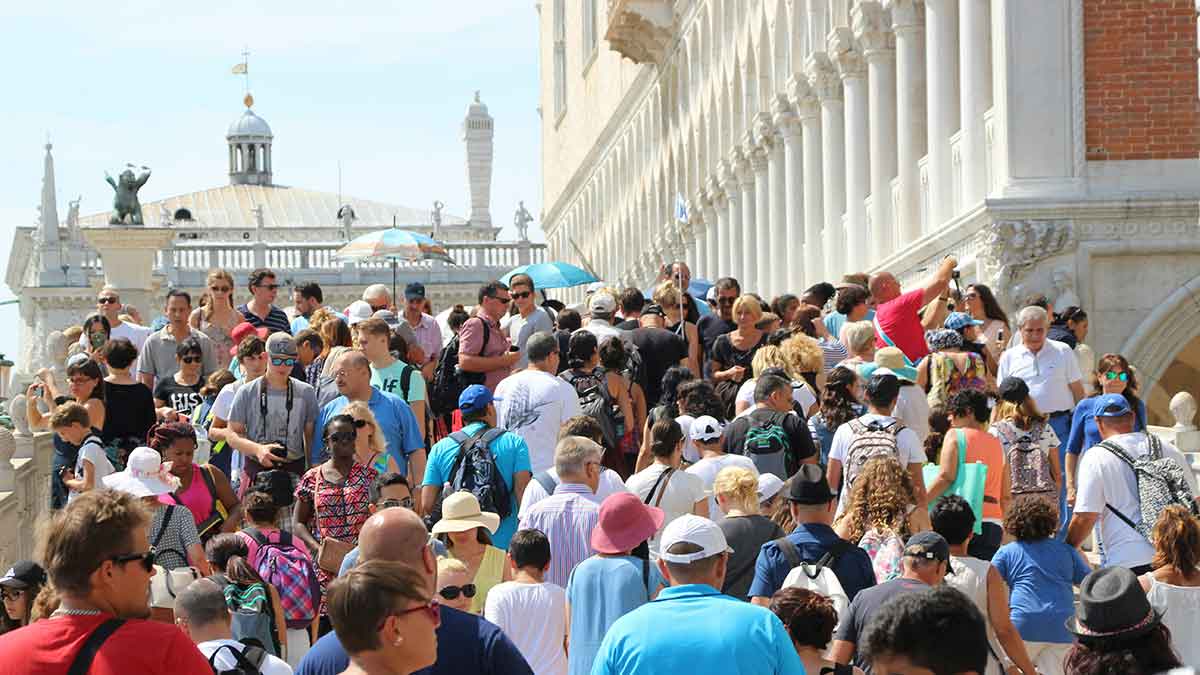
Tokyo: The Vibrant Metropolis

Tokyo is the heartbeat of Japan, a city that never seems to sleep. From neon-lit streets in Shibuya to tranquil gardens in the Imperial Palace, Tokyo blends modernity with tradition in fascinating ways. Visitors can explore bustling shopping districts, witness the latest technological innovations, and indulge in some of the world’s finest cuisine.

One of the most iconic experiences in Tokyo is visiting the Tsukiji Outer Market, where fresh seafood and local delicacies offer a taste of Japan’s culinary excellence. Beyond food, neighborhoods like Asakusa provide a glimpse of historical Tokyo, with Senso-ji Temple standing as a reminder of the city’s rich past.

Modern Experiences and Hidden Gems

While the major attractions in Tokyo draw huge crowds, the city also has countless hidden gems. Quiet cafes in Koenji, independent art galleries in Nakameguro, and riverside walks along Sumida River show a different, slower side of the metropolis. Exploring these areas allows travelers to enjoy Tokyo like a local, creating memories beyond the guidebooks.

Public transportation in Tokyo is efficient and user-friendly, making it easy to navigate the city. The extensive train and subway system is also the gateway to the next leg of the journey: Kyoto.

The Shinkansen Experience: Speed and Comfort

Traveling from Tokyo to Kyoto is an experience in itself thanks to Japan’s Shinkansen, or bullet train. The journey covers approximately 450 kilometers in just two to three hours, offering comfort, speed, and convenience. Sitting on the train provides a unique perspective of Japan, with scenic views of Mount Fuji on clear days and glimpses of rural towns along the way.

The Shinkansen isn’t just fast; it is punctual and reliable, making it an iconic part of Japanese travel culture. Whether you’re sipping tea, reading a book, or simply gazing out the window, the journey feels as much a part of the adventure as the destinations themselves.

Kyoto: The Timeless Heart of Japan

Kyoto, by contrast, is a city that feels like stepping back in time. Known for its temples, shrines, and traditional tea houses, Kyoto offers a serene and reflective atmosphere. The city was Japan’s capital for over a thousand years, and its historical importance is evident in the architecture, gardens, and cultural practices that have been carefully preserved.

Visitors often start their Kyoto journey at iconic sites like Kinkaku-ji, the Golden Pavilion, or Fushimi Inari Shrine, famous for its thousands of vermillion torii gates. Wandering through these landmarks gives a sense of the spiritual and aesthetic values that have shaped Japanese culture for centuries.

Cultural Immersion and Local Experiences

Kyoto is not only about sightseeing; it’s about experiencing Japanese traditions. Participating in a tea ceremony, walking through bamboo groves in Arashiyama, or attending a seasonal festival allows travelers to connect with the city in a deeper way. Local markets and artisan shops offer handcrafted souvenirs and regional delicacies, adding flavor to the journey.

Unlike Tokyo’s bustling energy, Kyoto encourages slower exploration. The quiet streets, scenic riverbanks, and meticulously maintained gardens invite travelers to pause, reflect, and savor each moment.

The Scenic Route Between Tokyo and Kyoto

While the Shinkansen is the fastest option, some travelers prefer a slower, more scenic route. Regional trains and buses offer an alternative, passing through picturesque countryside, small towns, and coastal landscapes. This approach allows travelers to witness the everyday life of Japan beyond major cities, from rice fields to local festivals.

Stopping along the way in towns like Hakone or Nagoya can enhance the journey. Hakone offers hot springs and views of Mount Fuji, while Nagoya provides historical attractions and local cuisine, making the travel between Tokyo and Kyoto part of the adventure rather than just a transit.

Food and Culinary Delights Along the Journey

Japanese cuisine is an essential part of the Tokyo-to-Kyoto experience. In Tokyo, sushi, ramen, and tempura showcase the city’s dynamic food culture. Kyoto, on the other hand, is known for its delicate kaiseki cuisine, matcha sweets, and traditional pickles. Travelers can enjoy local specialties in small family-run restaurants or street food stalls, adding authenticity to the journey.

Sampling seasonal ingredients is a highlight of Japanese travel. Spring brings sakura-themed dishes, autumn offers chestnut and pumpkin delicacies, while winter showcases hearty noodle soups and fresh seafood. Food becomes not just nourishment but a way to understand local culture.

Seasonal Highlights: Experiencing Japan Year-Round

Japan’s beauty changes with the seasons, and the journey from Tokyo to Kyoto offers unique experiences throughout the year. Cherry blossom season in spring paints parks and riversides pink, while autumn transforms temple gardens into a vibrant tapestry of reds and golds. Winter offers snow-covered landscapes and cozy indoor experiences, and summer brings lively festivals and lush green scenery.

Timing your trip according to seasonal highlights can make the journey even more memorable. However, Japan is beautiful year-round, and each season offers its own charm and perspective on both cities and countryside.

Planning the Journey: Tips for Travelers

Traveling from Tokyo to Kyoto is straightforward, but careful planning ensures a smooth experience. Booking Shinkansen tickets in advance, researching accommodations, and prioritizing must-see destinations can help maximize the trip. Combining major landmarks with off-the-beaten-path experiences creates a balanced journey that highlights both the modern and traditional sides of Japan.
Staying flexible is also important. Japan’s public transport is highly efficient, but unexpected events or weather conditions can impact travel plans. Embracing spontaneity allows travelers to discover hidden gems and enjoy authentic experiences along the way.

Conclusion: A Journey of Contrasts and Discoveries

The journey from Tokyo to Kyoto captures the essence of Japan: a country where futuristic cityscapes coexist with ancient temples, and where vibrant culture meets serene landscapes. From the bustling streets and neon lights of Tokyo to the quiet temples and scenic gardens of Kyoto, this journey offers a rich tapestry of experiences that appeal to every traveler.

Whether it’s tasting fresh sushi in Tokyo, riding the Shinkansen with Mount Fuji in the background, or meditating in a Kyoto garden, this journey across Japan is unforgettable. It’s a story of contrasts, discovery, and timeless beauty—a trip that lingers in memory long after the return flight.

Januari 28, 2026 | Opqx1

Shifts and Changes in the Global Travel Business

Shifts and Changes in the Global Travel Business

Shifts and Changes in the Global Travel Business – The global travel business has never been a static industry. From the early days of traditional travel agencies to today’s app-based bookings, travel has always evolved alongside technology, consumer behavior, and global events. In recent years, however, the pace of change has accelerated dramatically. Economic uncertainty, digital transformation, and shifting traveler priorities have reshaped how people plan, book, and experience travel.

Understanding these shifts is essential for businesses operating in tourism, hospitality, transportation, and related sectors. The global travel business is no longer just about destinations; it is about experiences, flexibility, and trust.

The Impact of Digital Transformation on Travel

Technology has become the backbone of the modern travel industry. Online booking platforms, mobile apps, and AI-driven recommendations have transformed how travelers interact with travel brands. Travelers now expect instant access to information, transparent pricing, and seamless booking experiences.

Digital platforms have also lowered entry barriers, allowing smaller travel businesses to compete globally. Boutique hotels, local tour operators, and independent travel consultants can now reach international audiences through digital marketing and search engine optimization. This shift has changed competition dynamics, making visibility and brand credibility more important than ever.

The Rise of Mobile-First Travel Planning

Mobile devices play a crucial role in travel decision-making. Travelers research destinations, compare prices, read reviews, and book services directly from their smartphones. This behavior has pushed travel businesses to optimize websites for mobile use and improve page speed, user experience, and local search visibility.

Mobile-first travel planning also supports last-minute decisions. Same-day hotel bookings, on-demand transportation, and instant itinerary changes have become common, especially among younger travelers and digital nomads.

Changing Traveler Preferences and Expectations

Modern travelers are more informed and selective. Instead of simply choosing the cheapest option, many travelers prioritize value, authenticity, and personalization. This shift has influenced how travel businesses design their offerings and communicate with customers.

Sustainability, wellness, and cultural immersion are now major decision factors. Travelers want to feel good about where their money goes, whether it supports local communities, eco-friendly practices, or meaningful experiences.

Experience Over Destination

The global travel business has shifted from destination-based marketing to experience-driven storytelling. Travelers are less interested in checking famous landmarks off a list and more interested in unique moments, such as local food tours, cultural workshops, or nature-based activities.

This change has encouraged travel companies to collaborate with local partners and create customized experiences. As a result, storytelling and content marketing have become powerful tools for attracting travelers through organic search traffic.

The Influence of Global Events and Economic Shifts

Global events have always influenced travel demand, but recent disruptions have highlighted the industry’s vulnerability. Health crises, geopolitical tensions, and economic fluctuations can instantly reshape travel patterns and consumer confidence.

Travel businesses have responded by offering more flexible booking policies, transparent communication, and risk management strategies. Flexibility is no longer a bonus feature; it is a core expectation.

Regional Travel and Shorter Trips

One noticeable shift in the global travel business is the rise of regional and domestic travel. Many travelers now prefer shorter trips closer to home, driven by budget considerations and uncertainty. This trend has benefited local tourism economies and encouraged travel brands to promote hidden gems and lesser-known destinations.

Shorter trips also align with modern lifestyles, where travelers seek frequent getaways rather than long annual vacations. This pattern has influenced pricing strategies, marketing campaigns, and seasonal travel planning.

The Role of Content and SEO in Travel Marketing

Search engines play a central role in how travelers discover destinations and services. Travel-related searches often begin with informational queries, such as destination guides, travel tips, or comparison articles. This behavior makes content-driven SEO a critical component of travel marketing strategies.

High-quality articles, destination insights, and practical travel advice help businesses build authority and trust. For PBN-focused strategies, content must feel natural, informative, and relevant while subtly supporting backlink structures.

Building Trust Through Informational Content

Trust is one of the most valuable currencies in the travel industry. Travelers rely heavily on reviews, testimonials, and expert insights before making decisions. Informational content that answers real questions helps establish credibility and encourages engagement.

Rather than aggressive sales language, successful travel content focuses on helping readers imagine their journey. This approach improves dwell time, organic reach, and long-term SEO performance.

The Growth of Remote Work and Digital Nomad Travel

Remote work has introduced a new segment to the global travel business. Digital nomads and long-term travelers seek destinations that offer reliable internet, affordable living costs, and supportive communities. Countries and cities have started adapting by offering special visas, coworking spaces, and extended-stay accommodations.

This trend has blurred the lines between travel, work, and lifestyle. Hotels now offer work-friendly rooms, while travel brands promote destinations as places to live and work, not just visit.

Long-Stay Travel and Flexible Accommodation

Long-stay travel has become more common, especially among professionals who can work from anywhere. This shift has influenced accommodation providers to offer monthly rates, flexible contracts, and home-like amenities.

For the global travel business, this means adapting pricing models and marketing strategies to attract long-term guests while maintaining profitability.

The Future Outlook of the Global Travel Business

The future of the global travel business will be shaped by adaptability and innovation. Companies that listen to traveler needs, embrace technology, and prioritize authenticity are more likely to succeed. Data-driven insights, personalized offers, and sustainable practices will continue to define competitive advantage.

Travel is no longer just about moving from one place to another. It is about creating meaningful connections, memorable experiences, and seamless journeys. Businesses that understand these shifts can position themselves effectively in an increasingly competitive digital landscape.

Conclusion

Shifts and changes in the global travel business reflect broader transformations in technology, lifestyle, and consumer values. From mobile-first planning to experience-driven travel and flexible booking expectations, the industry continues to evolve at a rapid pace.

For travel businesses, staying relevant means embracing change rather than resisting it. By focusing on content quality, SEO visibility, and traveler-centric strategies, brands can navigate uncertainty and build long-term growth in the ever-changing global travel market.

Januari 26, 2026 | Opqx1

Bali Travel Guide: Exploring the Island of Paradise

Bali Travel Guide: Exploring the Island of Paradise

Bali Travel Guide: Exploring the Island of Paradise – Bali has long been known as the Island of Paradise, and it’s easy to see why. From lush rice terraces and stunning beaches to vibrant culture and rich traditions, Bali offers a travel experience like no other. Whether you’re seeking adventure, relaxation, or a cultural journey, this Indonesian island has something for everyone.

Travelers visiting Bali can enjoy a mix of scenic beauty and immersive experiences that make every trip memorable. Beyond the beaches and resorts, Bali invites exploration into its villages, temples, and local markets, offering a glimpse into the island’s unique way of life.

Best Time to Visit Bali

Understanding the best time to visit Bali can make a significant difference in your experience. Bali has a tropical climate with two main seasons: dry and wet. The dry season, from April to October, is ideal for beach activities, outdoor adventures, and exploring cultural sites. Meanwhile, the wet season, from November to March, offers lush landscapes and fewer tourists, though occasional heavy rain may affect outdoor plans.

Travelers often choose the shoulder months of April, May, September, and October for a balance of pleasant weather and fewer crowds. During these months, Bali’s attractions are more enjoyable, and accommodation options are less expensive compared to peak season.

Must-See Destinations in Bali

Bali is home to diverse landscapes and cultural landmarks that make it a unique destination. Some must-see spots include:

Ubud: The Cultural Heart of Bali

Ubud is the island’s cultural center, surrounded by terraced rice fields and dense jungle. It is known for its art galleries, traditional dance performances, and yoga retreats. Visitors can explore local markets, dine at organic cafés, or take part in workshops that showcase Balinese crafts and traditions.

The nearby Tegalalang Rice Terraces offer breathtaking views and are perfect for photography enthusiasts. Ubud is also home to the Sacred Monkey Forest Sanctuary, where playful macaques roam freely among ancient temples.

Seminyak and Kuta: Beaches and Nightlife

For those looking for a lively atmosphere, Seminyak and Kuta offer bustling beaches, vibrant nightlife, and trendy shops. These areas are popular for surfing, beach clubs, and sunset views. Kuta Beach is especially famous among beginner surfers, while Seminyak has upscale resorts and fine dining options.

Nusa Penida: Adventure and Natural Wonders

Just a short boat ride from Bali, Nusa Penida is an island of dramatic cliffs, pristine beaches, and hidden waterfalls. It is perfect for travelers seeking adventure, snorkeling, and photography opportunities. Iconic spots like Kelingking Beach and Angel’s Billabong have gained worldwide attention for their stunning scenery.

Balinese Culture and Traditions

Bali is not just a destination; it’s a cultural experience. The island’s traditions are deeply rooted in Hinduism, with daily rituals, ceremonies, and temple offerings visible throughout villages and towns. Attending a traditional ceremony or visiting a temple offers insight into the island’s spiritual life.

Balinese dance and music are integral to cultural celebrations. Performances are often held in Ubud or near major temples, featuring intricate movements, colorful costumes, and gamelan music. Engaging with local customs adds depth to any visit and provides meaningful travel experiences.

Culinary Experiences in Bali

Bali’s food scene is another highlight of the island. From street food stalls to high-end restaurants, travelers can enjoy a variety of flavors and dishes. Traditional Balinese cuisine features ingredients like coconut, chili, and aromatic spices.

Must-try dishes include Babi Guling (suckling pig), Nasi Campur (mixed rice), and Bebek Betutu (slow-cooked duck). Vegan and vegetarian travelers will also find plenty of options, especially in Ubud, where organic and plant-based cafés are plentiful.

Activities and Adventure in Bali

Bali is perfect for those who enjoy outdoor activities. Surfing, diving, and snorkeling are popular along the coast, while hiking and trekking offer opportunities to explore the island’s mountains and volcanic landscapes.

Mount Batur, an active volcano, is a favorite for sunrise trekking. Climbing to the summit rewards travelers with panoramic views of the surrounding lake and villages. Waterfalls like Tegenungan and Sekumpul provide refreshing escapes and excellent spots for photography.

Accommodation and Travel Tips

Bali offers accommodations for all types of travelers, from luxury resorts to budget-friendly guesthouses. Areas like Seminyak, Nusa Dua, and Jimbaran are known for upscale resorts, while Ubud and Canggu offer boutique hotels and homestays that immerse visitors in local culture.

When traveling around Bali, renting a scooter is common for exploring independently, but caution is advised due to traffic and road conditions. For longer trips or family travel, private drivers and tour services provide a comfortable and convenient option.

Responsible and Sustainable Travel in Bali

As tourism grows, sustainable travel practices are becoming increasingly important in Bali. Visitors are encouraged to respect local customs, reduce plastic use, and support eco-friendly accommodations and local businesses.

Engaging in community-based tourism or visiting conservation projects helps travelers give back to the local population. Sustainable travel ensures that Bali remains a paradise not just for visitors, but for future generations as well.

Conclusion

Bali remains one of the world’s most captivating travel destinations. Its combination of natural beauty, vibrant culture, and adventure opportunities makes it a must-visit island for travelers seeking both relaxation and excitement. Whether exploring Ubud’s rice terraces, surfing in Kuta, or discovering the hidden corners of Nusa Penida, Bali promises an unforgettable experience.

By planning thoughtfully, embracing local culture, and traveling responsibly, visitors can enjoy all that Bali has to offer while leaving a positive impact on the island. With its magical landscapes and welcoming spirit, Bali truly lives up to its reputation as the Island of Paradise.

Januari 26, 2026 | Opqx1

Worldwide Tourism and Travel News

Worldwide Tourism and Travel News

Worldwide Tourism and Travel News – The tourism and travel industry has always been a reflection of global trends. From economic shifts to cultural changes and technological innovation, travel responds quickly to what is happening around the world. In recent years, worldwide tourism and travel news has been dominated by recovery stories, emerging destinations, and a growing focus on sustainability and meaningful experiences.

As international borders continue to stabilize and traveler confidence improves, the global tourism sector is entering a new phase. It is no longer just about moving from one place to another, but about how people travel, why they travel, and what they expect from each journey.

Global Tourism Recovery and New Travel Patterns

Worldwide tourism has shown strong signs of recovery after years of uncertainty. Popular destinations in Europe, Asia, and the Middle East are reporting higher visitor numbers, while airlines are expanding routes to meet rising demand. However, the recovery does not look exactly like it did before.

Travelers today are more selective. Instead of short, rushed trips, many people are choosing longer stays and slower travel styles. This shift is clearly visible in worldwide tourism and travel news, where extended vacations and remote work travel are becoming common topics.

The Rise of Long-Stay and Remote Travel

One major trend shaping global tourism is the rise of digital nomads and remote workers. Countries across Asia, Latin America, and Europe are introducing special visas to attract travelers who want to live and work abroad for months at a time.

This trend benefits local economies while offering travelers deeper cultural experiences. Cafés, co-working spaces, and local accommodations are adapting quickly to serve this new category of visitors. As a result, destinations that were once considered secondary are now gaining international attention.

Emerging Destinations in Worldwide Tourism

Another recurring theme in worldwide tourism and travel news is the growing popularity of emerging destinations. Travelers are increasingly looking beyond traditional hotspots and exploring lesser-known regions that offer authenticity and fewer crowds.

Countries in Southeast Asia, Eastern Europe, Africa, and South America are experiencing steady growth in tourism interest. Improved infrastructure, better digital access, and strong online visibility have helped these destinations compete on a global level.

Why Travelers Are Choosing Alternative Locations

Overtourism has become a concern in major cities and famous landmarks. In response, travelers are searching for places that feel less commercial and more personal. Smaller cities, rural areas, and nature-based destinations are benefiting from this shift.

Social media and travel blogs also play a key role in promoting new locations. A single viral photo or story can put an unknown destination on the global travel map almost overnight.

Sustainability Becomes a Core Travel Value

Sustainability is no longer just a buzzword in the tourism industry. It has become a key factor influencing travel decisions worldwide. From eco-friendly accommodations to low-impact transportation, travelers are more aware of how their journeys affect the planet.

Worldwide tourism and travel news frequently highlights initiatives aimed at reducing carbon emissions, protecting wildlife, and supporting local communities. Governments and tourism boards are actively promoting responsible travel practices.

Eco-Tourism and Community-Based Travel

Eco-tourism continues to grow as travelers seek experiences that align with their values. National parks, conservation areas, and community-led tourism projects are seeing increased interest.

Community-based travel allows visitors to engage directly with local cultures while ensuring that tourism revenue stays within the community. This approach creates a more balanced relationship between travelers and destinations, which is essential for long-term sustainability.

Technology and Innovation in Global Travel

Technology is reshaping every aspect of the travel experience. From booking platforms to airport processes, digital innovation is making travel faster and more efficient.

Worldwide tourism and travel news often features advancements such as biometric check-ins, contactless payments, and AI-powered travel planning tools. These innovations improve convenience while enhancing safety and personalization.

Smart Destinations and Digital Services

Many cities are investing in smart tourism solutions. Digital maps, real-time crowd management, and mobile travel apps help visitors navigate destinations more easily.

For travelers, this means better access to information and smoother experiences. For destinations, it allows better control over tourism flows and resource management.

The Role of Airlines and Transportation

Airlines remain a major driver of global tourism trends. New routes, competitive pricing, and improved in-flight services directly influence where and how people travel.

In recent worldwide tourism and travel news, there has been a strong focus on expanding connectivity between regions. Direct flights between secondary cities are opening up new travel possibilities and reducing dependence on major hubs.

Sustainable Aviation Efforts

The aviation industry is under pressure to reduce its environmental impact. Airlines are investing in fuel-efficient aircraft, sustainable aviation fuel, and carbon offset programs.

While challenges remain, these efforts signal a long-term commitment to making air travel more sustainable without sacrificing global connectivity.

Looking Ahead: The Future of Worldwide Tourism

The future of tourism is shaped by adaptability. As global conditions change, the travel industry continues to evolve. Flexibility, personalization, and responsibility are becoming the foundation of modern travel.

Worldwide tourism and travel news suggests that travelers will continue to prioritize experiences over luxury, authenticity over popularity, and sustainability over excess. Destinations that understand these values will be better positioned to attract long-term tourism growth.

Conclusion

Worldwide tourism and travel news reflects a dynamic industry that is constantly reinventing itself. From emerging destinations and sustainable practices to digital innovation and new travel behaviors, global tourism is entering an exciting chapter.

For travelers, this means more choices, deeper experiences, and greater awareness. For the industry, it means embracing change and building a more balanced and resilient future. As global travel continues to grow, the stories shaping worldwide tourism will remain an important window into how the world connects through travel.

Januari 23, 2026 | Opqx1

Insights and Updates from the Global Travel Industry

Insights and Updates from the Global Travel Industry

Insights and Updates from the Global Travel Industry – The world of travel is constantly evolving, with new trends, technologies, and traveler behaviors shaping how people explore the globe. Whether you’re a frequent flyer, a travel blogger, or a small business in the tourism sector, staying updated on the global travel industry is essential. In this article, we’ll explore the latest insights and updates that are reshaping travel in 2026 and beyond.

Travel Trends Shaping the Global Industry

Travel trends are more than just passing fads—they reveal how travelers’ priorities are changing and what businesses need to focus on. One of the most significant shifts is the growing demand for sustainable travel. Today’s travelers are not only seeking adventure but also looking for ways to minimize their environmental impact. Eco-friendly accommodations, carbon-offset programs, and responsible tourism initiatives are becoming major decision-making factors for travelers worldwide.

Another emerging trend is the rise of experiential travel. People no longer just want to visit popular tourist spots; they want authentic experiences that allow them to connect with local cultures. Culinary tours, immersive cultural workshops, and off-the-beaten-path adventures are increasingly popular. This shift has prompted travel companies to rethink their offerings, moving from generic packages to personalized, experience-driven itineraries.

The Role of Technology in Travel

Technology continues to revolutionize the travel industry. From booking platforms to virtual reality tours, digital innovations are making travel more accessible and enjoyable. Mobile apps have become central to planning and managing trips. Travelers now rely on apps not only for booking flights and hotels but also for real-time navigation, translation, and local recommendations.

Artificial intelligence (AI) is also making its mark. AI-powered chatbots and personalized recommendations are streamlining customer service and enhancing the booking experience. Additionally, data analytics is helping travel companies better understand customer preferences, allowing for more targeted marketing and personalized promotions.

Virtual Travel Experiences

The pandemic accelerated the adoption of virtual travel experiences, and they continue to hold a place in the industry. Virtual tours, live-streamed cultural events, and interactive online experiences offer travelers a way to explore new destinations without leaving home. While nothing replaces the feeling of being in a new country, virtual experiences are increasingly being used as a way to plan trips, generate interest, and even provide alternative revenue streams for travel businesses.

Changes in Traveler Behavior

Traveler behavior has evolved significantly over the past few years. One noticeable change is the increase in solo travel. More people are choosing to explore the world independently, seeking flexibility and self-discovery. Travel companies are responding by offering packages and services tailored specifically for solo adventurers, from single-occupancy rooms to curated experiences that encourage social interaction.

Health and safety have also become a top priority. Even as travel rebounds globally, many travelers continue to prioritize destinations and services that demonstrate high standards of hygiene and safety. This shift has pushed hotels, airlines, and tour operators to maintain rigorous safety protocols and communicate them clearly to potential guests.

The Impact of Remote Work

Remote work has blurred the line between work and travel. Digital nomads—professionals who work while traveling—are becoming a key market segment. Cities around the world are adapting by offering coworking spaces, reliable internet infrastructure, and visa programs tailored for long-term remote workers. This trend is not only reshaping urban tourism but also extending the travel season in many destinations, as people no longer have to plan trips solely around traditional vacation times.

Economic and Market Insights

The global travel industry has shown remarkable resilience in recent years, bouncing back from significant disruptions. According to industry reports, international tourism is projected to continue its recovery, with strong growth expected in regions like Asia-Pacific, Europe, and North America. Low-cost carriers are expanding their routes, making international travel more accessible, while luxury travel is seeing a renewed focus on exclusivity and personalized services.

Travel insurance and flexible booking options have also become critical components of the market. Travelers are more cautious about unforeseen events, such as health emergencies or sudden travel restrictions, and they are increasingly willing to pay for protection and flexibility in their plans.

Investment and Innovation

Investments in travel technology and infrastructure are accelerating. Airlines, hotels, and travel platforms are embracing innovation to improve customer experience and operational efficiency. From AI-driven pricing models to eco-friendly resorts powered by renewable energy, businesses are finding ways to meet the growing demands of modern travelers. This investment not only benefits travelers but also creates opportunities for startups and entrepreneurs to enter the market with innovative solutions.

The Future of Global Travel

Looking ahead, the global travel industry is expected to continue evolving at a rapid pace. Sustainability will remain a central focus, with travelers, companies, and governments working together to reduce the carbon footprint of tourism. Technology will continue to shape the way people plan and experience travel, while cultural and experiential tourism will likely grow in popularity.

One exciting aspect of the future is the potential for space tourism. While still in its infancy, commercial space travel could redefine what it means to explore the world—or even beyond it. Meanwhile, traditional travel experiences will continue to innovate, offering more personalized, immersive, and meaningful journeys.

Key Takeaways

The global travel industry is vibrant, dynamic, and full of opportunities. Travelers are seeking more authentic experiences, prioritizing sustainability, and embracing technology to make their journeys smoother and safer. Businesses that adapt to these trends by offering personalized, flexible, and innovative solutions are likely to thrive.

For anyone involved in travel, staying informed about the latest trends, consumer behaviors, and technological advancements is crucial. By understanding these shifts, travelers can plan smarter trips, while companies can develop strategies that meet the evolving needs of their customers.

Januari 22, 2026 | Opqx1

Travel Industry News: Innovations Shaping Trips

Travel Industry News: Innovations Shaping Trips

Travel Industry News: Innovations Shaping Trips – Travel is no longer just about picking a destination and booking a ticket. The industry has been moving at a fast pace, and the biggest changes are happening in how we plan, experience, and remember our trips. From smarter booking tools to new travel tech and sustainable options, innovation is shaping every part of the journey.

If you travel often, you’ve probably noticed it: everything feels smoother now. Airports are less stressful, hotels are more personalized, and you can plan a full trip from your phone in minutes. These changes are not just “nice to have.” They are becoming the new standard.

How Booking Is Becoming Smarter

Personalized recommendations

One of the biggest innovations in travel is personalization. Booking platforms now use data to understand what you like. If you usually travel for food, the app might suggest destinations known for their cuisine. If you prefer beaches, it will show coastal cities with the best weather.

This kind of personalization makes planning feel effortless. Instead of scrolling through endless options, you get suggestions that match your style. It’s like having a travel friend who knows your taste.

Flexible planning and last-minute changes

Another big shift is flexibility. Travelers today want the freedom to change plans without losing money. Many airlines and hotels now offer flexible booking options and easier cancellations. This is a huge improvement, especially for people who travel for work or those who like spontaneous trips.

Technology That Makes Travel Easier

Digital passports and contactless travel

The pandemic pushed the travel industry to adopt contactless solutions faster than ever. Now, digital boarding passes, contactless check-in, and mobile hotel keys are common. It feels like you can move through airports and hotels with less stress and more speed.

Digital passports and health passes are also becoming more accepted, making international travel smoother. Even if you don’t always need them, knowing these tools exist gives travelers a sense of safety and convenience.

Real-time updates and smart travel apps

Smart travel apps are another game changer. They offer real-time updates for flights, gate changes, and delays. This is especially useful during busy travel seasons. Instead of guessing what will happen next, travelers get accurate information instantly.

These apps also help with planning on the go. You can change your itinerary, book a new hotel, or find the best route to your destination—all from your phone.

The Rise of Sustainable Travel

Eco-friendly choices are now expected

Sustainability is no longer a trend. It’s becoming a core expectation for travelers. More people now care about the impact of their trips on the environment. This means choosing eco-friendly hotels, supporting local businesses, and reducing plastic use.

Hotels are responding by implementing green practices like energy-saving systems, waste reduction programs, and supporting local communities. This shift is not only good for the planet, but it also improves the travel experience. Travelers feel better knowing their trip is making a positive impact.

Responsible tourism and community support

Travelers now want experiences that support local communities. Instead of large tour groups, people are choosing smaller, more meaningful activities. This includes local food tours, cultural workshops, and community-based tourism.

These experiences create a deeper connection with the destination. They help travelers understand local culture and support the people who live there.

The New Focus on Experience

Cultural immersion over sightseeing

Today’s travelers want more than just sightseeing. They want to feel like they are living in the place they visit. This means choosing local markets, neighborhood cafes, and authentic experiences over tourist traps.

Cultural immersion has become a top priority. Travelers now seek activities that let them learn about traditions, food, and local life. It makes trips more memorable and personal.

Wellness travel is growing

Another major trend is wellness travel. People are choosing trips that help them relax and recharge. This includes yoga retreats, nature escapes, spa vacations, and mindfulness trips.

Travel is no longer just about seeing new places. It’s about feeling better and returning home refreshed. This is especially important for people who live busy lives and need a break from constant stress.

Transportation Innovations

More sustainable travel options

Transportation is also changing. Electric vehicles and sustainable transportation options are becoming more common. Many cities now offer electric scooters, bike-sharing programs, and eco-friendly public transport.

These options make traveling within cities easier and more sustainable. Travelers can explore more while reducing their carbon footprint.

Better ride-sharing and smart routes

Ride-sharing apps continue to improve. They now offer better route options, lower prices, and more reliable services. This makes it easier for travelers to move around without worrying about local transport systems.

Smart route planning also helps travelers avoid traffic and find the fastest way to their destination. It’s a small change that makes a big difference, especially in busy cities.

What This Means for the Future

Innovation is reshaping the travel industry in a way that makes trips more personal, efficient, and meaningful. Travelers now expect technology to support every step of their journey. From planning and booking to exploring and returning home, the travel experience is becoming smarter and more connected.

The future of travel will likely focus on even more personalization, sustainability, and seamless digital experiences. As technology continues to improve, trips will become easier to plan and more enjoyable to experience. This is great news for travelers who want better journeys and deeper connections with the places they visit.

Januari 21, 2026 | Opqx1

Travel Industry News Airlines Hotels Policy And Global Demand

Travel Industry News Airlines Hotels Policy And Global Demand

Travel Industry News Airlines Hotels Policy And Global Demand Now – The travel industry has been evolving rapidly over the past few years, influenced by shifting consumer behavior, new policies, and changing global demand. For travelers and businesses alike, staying updated on the latest news in airlines, hotels, and travel policies is crucial. In this article, we’ll explore key developments shaping the travel landscape today.

Airline Industry Updates

Post-Pandemic Recovery

Airlines around the world have been working hard to recover from the impact of the pandemic. Many carriers have increased their flight schedules to meet growing demand, especially on international routes. Low-cost airlines are also expanding aggressively, offering more affordable options for travelers who want flexibility without breaking the bank.

Innovations in Air Travel

Airline technology is also improving passenger experiences. From mobile check-ins to AI-powered customer support, flying has become smoother and more convenient. Airlines are increasingly focusing on sustainability, with more fuel-efficient aircraft and commitments to reducing carbon emissions, which resonates with eco-conscious travelers.

Policy Changes Affecting Airlines

Travel policies continue to play a significant role in airline operations. Governments are updating visa regulations, safety protocols, and health requirements to balance traveler safety with economic recovery. Understanding these policies is essential for passengers planning trips, especially for international travel.

Hotel Industry Developments

Rising Demand for Unique Experiences

Hotels are no longer just about providing a place to sleep. Guests increasingly seek unique experiences, such as wellness retreats, local cultural activities, and boutique-style accommodations. Major hotel chains are adapting by offering more personalized services and curated experiences.

Technology in Hotels

From mobile room keys to AI-powered concierge services, hotels are investing in technology to improve guest satisfaction. Online booking platforms are also enhancing the booking process, making it easier for travelers to compare prices, read reviews, and choose accommodations that match their preferences.

Policies Influencing Hotel Operations

Hotels are also affected by government regulations, including health and safety standards, tourism taxes, and environmental requirements. Staying compliant while offering a high-quality guest experience is a challenge but also an opportunity to build trust with travelers.

Global Travel Demand Trends

Regional Recovery Patterns

Travel demand is not uniform across the globe. Some regions are seeing faster recovery, driven by domestic travel, while others rely heavily on international visitors. Asia and Europe are showing promising growth in leisure travel, while North America experiences a mix of domestic and international demand.

Factors Driving Demand

Several factors influence global travel demand. Economic recovery, vaccination rates, consumer confidence, and political stability all play a role. Travelers are also looking for destinations that offer safety, convenience, and value for money.

Future Outlook

Experts predict that global travel demand will continue to rise in the coming years, though trends may shift based on economic conditions, new travel policies, and evolving consumer preferences. Airlines and hotels that adapt quickly to these changes will likely benefit the most.

The Role of Travel Policies

Health and Safety Regulations

In a post-pandemic world, health and safety regulations remain central to travel policies. Airlines and hotels must comply with government guidelines, which may include vaccination requirements, mask mandates, or sanitation standards. These policies influence traveler confidence and can impact booking decisions.

Visa and Entry Rules

Visa policies are another critical factor affecting global travel. Simplified visa procedures or visa-on-arrival options can encourage more international visitors, while complex or restrictive rules may deter travelers. Airlines and hotels often monitor these changes closely to adjust their marketing strategies and services.

Sustainability and Environmental Policies

Governments and travel organizations are increasingly promoting sustainable tourism. Policies encouraging eco-friendly travel practices, such as carbon offset programs and responsible tourism initiatives, are shaping both airline operations and hotel services. Travelers are becoming more aware of sustainability, which influences their choices and expectations.

How Businesses Can Adapt

Flexible Booking Options

Airlines and hotels that offer flexible booking options are better positioned to attract travelers who are cautious about sudden changes. Refundable tickets, free date changes, and no-penalty cancellations have become highly valued features.

Digital Marketing Strategies

Digital marketing plays a critical role in reaching modern travelers. SEO-optimized websites, social media engagement, and targeted email campaigns can help airlines and hotels connect with potential customers and stay competitive.

Emphasizing Guest Experience

Providing an outstanding guest experience is no longer optional. Personalized services, responsive customer support, and attention to detail create loyalty and positive reviews, which are essential in a highly competitive travel industry.

Conclusion

The travel industry is navigating a period of rapid change, driven by evolving policies, technological advancements, and shifting global demand. Airlines and hotels that embrace innovation, maintain compliance, and prioritize guest satisfaction are likely to thrive. For travelers, staying informed about industry news, policies, and trends ensures smarter planning and a better overall experience.

Whether you’re a frequent flyer, a hotel guest, or a travel business owner, keeping an eye on these developments is key to understanding the dynamic world of travel today.

Januari 20, 2026 | Opqx1

Travel Industry News Guides Destinations Tips Deals Updates

Travel Industry News Guides Destinations Tips Deals Updates

Travel Industry News Guides Destinations Tips Deals Updates – Traveling has become a way of life for many people around the world. Whether it’s for business or leisure, the demand for new experiences and adventures never seems to fade. As we head into 2026, the travel industry continues to evolve, adapting to changes in consumer behavior, technology, and global events. Understanding these shifts can help travelers make better decisions, discover new destinations, and take advantage of the best deals. In this article, we’ll cover the most important updates, tips, and insights that travelers need to know.

Travel Industry News and Updates

The travel industry has experienced some of its most significant changes in recent years. The rise of online platforms and apps has completely transformed how people plan and book their trips. With a few clicks, travelers can find and book flights, hotels, car rentals, and even activities, all from the comfort of home. This convenience has pushed traditional travel agencies to adapt, offering more personalized services or turning to the digital world for their bookings.

The Rise of Sustainable Travel

A key trend that’s gaining traction is sustainable travel. Many travelers now prioritize eco-friendly options, choosing destinations, accommodations, and activities that support local communities and minimize environmental impact. Hotels, airlines, and tour operators are offering greener alternatives to meet this demand. From carbon-neutral flights to eco-friendly hotels, the shift towards sustainability is reshaping the industry.

Technology and Travel Innovation

Technology also plays a big role in these changes. AI and virtual reality are starting to have a real impact on travel planning. AI-powered tools can help travelers personalize trips based on preferences and past behaviors, while VR allows virtual tours of destinations before booking. These advancements make it easier than ever to discover new places and plan trips efficiently.

Popular Travel Destinations in 2026

With so many exciting places to visit, it’s hard to pick just one destination. But 2026 promises some unique spots worth considering for your next trip.

Europe’s Hidden Gems

In Europe, cities like Barcelona and Rome remain popular, but lesser-known locations are gaining attention. Plovdiv in Bulgaria and Porto in Portugal offer authentic cultural experiences, often at a fraction of the cost of more famous cities. Travelers seeking art, history, and local charm will find these destinations appealing.

Asia’s Rising Stars

In Asia, the Philippines is becoming an increasingly popular destination. Palawan and Cebu are famous for crystal-clear beaches, vibrant culture, and welcoming locals. Vietnam and Thailand are also seeing a surge in tourism due to their rich history, stunning landscapes, and affordability.

North America Beyond the Major Cities

In North America, New York and Los Angeles remain top choices, but smaller cities like Austin, Texas, and Nashville, Tennessee, are becoming trendy alternatives. These cities offer lively music scenes, great food, and cultural experiences without the overwhelming crowds of larger metropolitan areas.

Essential Travel Tips for 2026

Adapting your travel habits to current trends can make your trips smoother and more enjoyable.

Flexibility Saves Money

Being flexible with travel dates can help you save significantly. Many airlines and hotels offer lower prices during off-peak times. Adjusting your schedule can mean finding better deals without sacrificing your experience.

Using Technology to Your Advantage

Travel apps and alerts are essential tools. Platforms like Skyscanner, Kayak, or Google Flights track prices, send notifications for discounts, and allow easy comparison between hotels and flights. This helps you stay informed and find the best deals.

Don’t Skip Travel Insurance

Travel insurance is a must in today’s unpredictable world. It protects against flight cancellations, lost luggage, or health emergencies. Make sure to review policies carefully to get adequate coverage for your trip.

Seek Local Experiences

Instead of sticking to popular tourist spots, explore local experiences for a more authentic feel. Visit markets, try regional foods, and participate in cultural events to truly connect with the destination.

Pack Smart and Light

Traveling light makes your journey more comfortable. Pack only what you need and leave room for souvenirs. Moving between cities or countries becomes easier, and you’ll enjoy a less stressful travel experience.

Finding the Best Travel Deals

Travel deals make trips more affordable and exciting.

Seasonal Sales and Alerts

Many airlines and hotels run seasonal promotions, especially during off-peak months. Subscribing to email alerts or newsletters ensures you are among the first to know about these discounts.

Credit Card Rewards

Using credit card rewards strategically can save money on flights, hotel stays, and car rentals. Choosing the right card and redeeming points wisely allows you to maximize travel benefits.

All-Inclusive Vacation Packages

Vacation packages are a convenient way to simplify trips and save money. They often include flights, accommodations, meals, and activities. Booking during the off-season can further enhance value.

The Future of the Travel Industry

Looking ahead, the travel industry is poised for continued innovation. AI, automation, and personalization will reshape how people plan trips. At the same time, sustainability and responsible travel will remain central priorities. Travelers are increasingly seeking meaningful experiences over standard sightseeing, making experiential travel the next big focus.

The core of travel—exploration, connection, and discovery—remains unchanged. Staying informed about trends, tips, and deals ensures travelers have unforgettable experiences, whether visiting beaches, cities, or remote destinations.

Januari 19, 2026 | Opqx1
Januari 18, 2026 | Opqx1

Travel Industry News Guide Trends Updates Hotels

Travel Industry News and Information Guide

The Changing World of Travel

Travel Industry News Guide: Trends, Updates, Hotels, and Destinations – The travel industry never stands still. Every year brings new trends, shifting traveler preferences, and fresh destinations rising in popularity. From hotel innovations to airline updates and destination changes, staying informed with travel industry news helps travelers, businesses, and enthusiasts understand where the world is heading.

As global travel continues to rebound and evolve, news and insights play a major role in shaping how people plan trips, choose accommodations, and experience new cultures.

Key Travel Industry Trends Shaping the Year

Travel trends reflect how people want to explore the world. Recent developments show a strong focus on experience, flexibility, and meaningful journeys.

Experience-Driven Travel

Travelers are no longer satisfied with simply visiting famous landmarks. Many now seek immersive experiences such as local food tours, cultural workshops, and nature-based adventures. This shift has encouraged destinations to promote authentic and community-based tourism.

Sustainable and Responsible Tourism

Sustainability has become a major focus in the travel industry. Hotels, airlines, and tour operators are investing in eco-friendly practices, including reduced plastic use, energy-efficient buildings, and support for local communities.

Digital Travel Planning

Technology continues to transform travel planning. Mobile apps, digital boarding passes, and smart booking platforms make trips smoother. Travelers expect faster check-ins, online concierge services, and real-time updates throughout their journeys.

Latest Updates in the Travel Industry

Keeping track of travel updates is essential, especially as regulations, airline policies, and tourism rules change frequently.

Airline News and Route Expansion

Airlines regularly introduce new routes to meet growing demand. Direct flights between emerging destinations make travel more accessible, while expanded networks encourage tourism growth in less-explored regions.

Visa and Entry Policy Changes

Many countries are updating visa rules to attract travelers. Digital visas, visa-free access, and simplified entry requirements are becoming more common, making international travel easier and faster.

Hotel Industry Developments

Hotels remain at the center of the travel experience, and the hospitality sector continues to innovate to meet modern expectations.

Rise of Lifestyle and Boutique Hotels

Boutique hotels and lifestyle brands are gaining popularity. Travelers prefer unique designs, personalized services, and strong local character rather than standard hotel experiences.

Technology in Hospitality

Smart rooms, mobile check-ins, and contactless services are now standard in many hotels. These upgrades improve convenience while enhancing guest comfort and safety.

Focus on Wellness Travel

Wellness-focused hotels are expanding rapidly. Properties now offer spa retreats, fitness programs, meditation spaces, and healthy dining options to attract travelers seeking relaxation and balance.

Trending Travel Destinations Around the World

Travel news often highlights destinations that are gaining attention due to affordability, culture, or improved accessibility.

Emerging Destinations

Countries and cities once overlooked are becoming popular due to better infrastructure and social media exposure. Secondary cities often offer richer cultural experiences at lower costs compared to traditional tourist hubs.

Popular Comeback Locations

Many classic destinations are seeing renewed interest. With upgraded airports, new hotels, and refreshed tourism strategies, these locations are welcoming travelers with improved services and attractions.

How Travel News Impacts Travelers

Staying updated with travel industry news helps travelers make smarter decisions before booking trips.

Better Planning and Budgeting

Knowledge of hotel trends, airline pricing, and destination demand allows travelers to plan trips more efficiently. Early awareness often means better deals and fewer surprises.

Safer and More Flexible Travel

Travel updates provide essential information on weather conditions, safety guidelines, and travel advisories. This ensures smoother journeys and greater peace of mind.

The Role of Travel Media and Industry Reports

Travel news comes from a mix of global publications, tourism boards, and industry analysts.

Travel Journalism and Insights

Professional travel journalists provide deeper analysis beyond headlines. Their reporting offers context about market changes, traveler behavior, and future industry directions.

Tourism Board Announcements

National and regional tourism boards frequently release updates on events, new attractions, and destination campaigns. These announcements help shape travel demand and highlight seasonal opportunities.

Future Outlook of the Travel Industry

The future of travel looks dynamic and optimistic. Industry leaders continue adapting to traveler expectations, economic shifts, and technological advancements.

Personalized Travel Experiences

Personalization is becoming a major focus. From customized itineraries to tailored hotel stays, travelers increasingly expect services that match their preferences and lifestyle.

Strong Growth in Regional Travel

Short-haul and regional trips are expected to grow as travelers prioritize convenience and affordability. Road trips and nearby destinations remain popular choices for flexible travel planning.

Continued Innovation and Adaptation

The travel industry thrives on innovation. Whether through sustainable development, smarter technology, or new destination marketing strategies, change remains constant.

Conclusion: Staying Informed in a Fast-Moving Industry

Travel industry news is more than just headlines. It reflects how people explore the world, how destinations evolve, and how businesses adapt to new expectations.

By following trends, updates, hotel developments, and destination news, travelers gain valuable insight that leads to better experiences and smarter planning. As global tourism continues to grow and transform, staying informed ensures you never miss opportunities, emerging destinations, or the next big travel trend shaping the journey ahead.

Januari 15, 2026 | Opqx1

Top Travel Industry Updates 2026 News Trends Guide And Reports

Top Travel Industry Updates 2026 News Trends Guide And Reports

Top Travel Industry Updates 2026 News Trends Guide And Reports – The travel industry in 2026 continues to move forward with confidence and creativity. After years of change, the sector has found a new rhythm that blends innovation, flexibility, and traveler-focused services. From airlines and hotels to destinations and travel technology, updates across the industry show a clear shift toward smarter and more meaningful travel experiences.

For anyone following travel industry news, 2026 is a year full of important developments. New trends are shaping how people travel, while updated reports reveal how businesses are adapting to meet modern expectations.

Major Travel Industry News in 2026

One of the most talked-about updates in 2026 is the steady recovery of global travel demand. International travel has become smoother, with better coordination between destinations, airlines, and tourism authorities. This has made cross-border travel more accessible and predictable for travelers.

Travel companies are also focusing on rebuilding trust. Clear policies, improved customer support, and better communication are now standard across the industry. These changes reflect lessons learned over the past few years and signal a more mature travel market.

Travel Trends Defining the Industry This Year

Travel trends in 2026 highlight a growing preference for quality over quantity. Travelers are choosing fewer trips but spending more time and effort making each journey meaningful. This has increased interest in slow travel, extended stays, and immersive experiences.

Another strong trend is the rise of purpose-driven travel. Many travelers now look for trips that offer learning, wellness, or personal growth. Cultural experiences, nature-based tourism, and wellness retreats are gaining popularity as people seek balance and inspiration through travel.

Technology-driven personalization is also shaping travel trends. Travelers expect recommendations that match their interests, from accommodation choices to activities and dining options.

Airline and Transportation Industry Updates

Airlines in 2026 are prioritizing efficiency and passenger comfort. Updated aircraft, improved seating options, and better in-flight services are becoming common as airlines compete for loyal customers. Pricing transparency has also improved, helping travelers understand what they are paying for.

Transportation within destinations is evolving as well. Many cities are investing in smarter mobility solutions, including improved public transport and sustainable options. These developments make travel smoother and reduce stress for visitors exploring new places.

Hotel and Accommodation Industry Reports

Hotel industry reports in 2026 show a strong focus on guest experience. Hotels are offering more flexible services, including adjustable check-in times and customized room features. This approach helps meet the needs of both leisure travelers and remote workers.

Boutique hotels and local accommodations continue to attract travelers who want authentic experiences. These properties often reflect local culture and provide a more personal connection to the destination.

Sustainability plays a growing role in accommodation choices. Hotels that adopt eco-friendly practices and communicate them clearly are gaining trust and positive attention from travelers.

Destination and Tourism Updates

Tourism destinations are becoming more strategic in how they attract visitors. In 2026, destination marketing focuses on storytelling rather than mass promotion. Destinations highlight local culture, traditions, and everyday life to appeal to travelers seeking authentic experiences.

Off-season travel is also being encouraged to reduce overcrowding and create more balanced tourism growth. This approach benefits both travelers and local communities by spreading economic opportunities throughout the year.

Emerging destinations are receiving increased interest as travelers look beyond traditional hotspots. These places offer fresh experiences and often provide better value.

Technology and Digital Innovation in Travel

Technology continues to support the travel industry in powerful ways. In 2026, digital tools help travelers plan, book, and manage trips more efficiently. Mobile apps provide real-time updates, navigation assistance, and personalized suggestions.

Data-driven insights allow travel companies to better understand customer preferences. This results in smoother journeys and services that feel more relevant and convenient.

Despite technological advancements, human service remains essential. Successful travel brands combine digital efficiency with personal care and hospitality.

Sustainability and Responsible Travel Practices

Sustainability is now a core topic in travel industry updates. In 2026, travelers expect responsible practices from travel providers. This includes reducing environmental impact, supporting local businesses, and protecting cultural heritage.

Many destinations and companies are working together to promote responsible travel behavior. These efforts help ensure that tourism growth remains positive and sustainable in the long term.

Travel Industry Reports and Market Insights

Industry reports in 2026 show cautious optimism. Travel demand is stable, and consumer confidence is improving. Businesses that invest in quality service, flexibility, and innovation are performing better in competitive markets.

Market insights also reveal that travelers value transparency and authenticity. Brands that communicate honestly and deliver consistent experiences are building stronger loyalty.

What to Expect Next in the Travel Industry

Looking ahead, the travel industry is expected to continue evolving. Trends suggest more personalized services, stronger sustainability efforts, and deeper connections between travelers and destinations.

Innovation will remain important, but the focus will stay on creating enjoyable and meaningful travel experiences. Companies that adapt quickly and listen to traveler needs will lead future growth.

Final Thoughts on Travel Industry Updates 2026

The top travel industry updates in 2026 show a sector that is more thoughtful, flexible, and experience-driven. News, trends, guides, and reports all point toward a future where travel is about more than movement.

For travelers, staying informed helps make better choices and discover new opportunities. For businesses, understanding these updates is key to staying relevant in a competitive market.

As travel continues to connect people and cultures, 2026 stands out as a year of progress, reflection, and renewed excitement for the journey ahead.

Januari 15, 2026 | Opqx1

Latest Travel Industry News 2026 Trends Updates And Insights

Latest Travel Industry News 2026 Trends Updates And Insights

Latest Travel Industry News 2026 Trends Updates And Insights – The travel industry in 2026 is experiencing a strong comeback with new energy and fresh ideas. After years of adjustment and change, travel has become more flexible, more personalized, and more experience-driven than ever before. From airlines and hotels to destinations and tour services, the industry continues to evolve to meet the expectations of modern travelers.

For anyone who follows travel news, 2026 feels like a turning point. The focus has shifted from simply moving people from one place to another toward creating meaningful journeys that feel safe, enjoyable, and memorable.

How the Travel Industry Is Evolving in 2026

One of the biggest changes in the travel industry this year is how companies adapt to traveler behavior. People now plan trips differently. They look for flexibility, transparency, and value. This has encouraged travel businesses to improve booking systems, cancellation policies, and customer communication.

Travel is no longer just about ticking destinations off a list. In 2026, travelers want deeper experiences, cultural connections, and a sense of discovery. This shift is influencing how destinations promote themselves and how travel services are designed.

Travel Trends Gaining Momentum This Year

Travel trends in 2026 reflect changing lifestyles and priorities. Slower travel is becoming more popular, with people choosing longer stays in fewer destinations. Instead of rushing through cities, travelers prefer to explore one place more deeply and connect with local culture.

Another noticeable trend is the rise of experience-focused travel. Food tourism, wellness retreats, and nature-based adventures are attracting travelers who want more than sightseeing. These experiences allow travelers to return home with stories, not just photos.

Digital nomad travel also continues to grow. With remote work becoming normal, many people are choosing to travel while working. Destinations that offer good infrastructure, reliable internet, and welcoming communities are gaining attention.

Airlines and Transportation Updates

The airline industry in 2026 is focusing on efficiency and comfort. Airlines are adjusting routes based on demand and investing in improved onboard experiences. Travelers are seeing better in-flight services, more transparent pricing, and smoother booking processes.

Transportation within destinations is also improving. Cities are investing in better public transport, ride-sharing options, and eco-friendly mobility solutions. These changes make it easier for travelers to move around and explore without stress.

Hotel and Accommodation Industry Changes

Hotels and accommodations are adapting to new traveler expectations. In 2026, comfort and personalization are key priorities. Many hotels now offer flexible check-in times, customized services, and spaces designed for both relaxation and work.

Boutique hotels and alternative accommodations continue to grow in popularity. Travelers enjoy staying in places that feel unique and connected to the local area. This trend has encouraged hotel operators to focus more on design, storytelling, and guest experience.

Sustainability also plays a major role in accommodation choices. Eco-conscious travelers are paying attention to how hotels manage energy, waste, and local sourcing.

Destination Marketing and Tourism Recovery

Tourism boards and destinations are using smarter strategies to attract visitors. In 2026, destination marketing is more targeted and authentic. Instead of promoting crowded attractions, many destinations highlight hidden spots, local culture, and off-season travel.

This approach helps manage visitor flow and improves the overall experience. Travelers feel more welcomed, and local communities benefit from balanced tourism growth.

Emerging destinations are also gaining attention. Places that were once overlooked are now attracting travelers looking for something new and less crowded.

Technology’s Impact on Travel Experiences

Technology continues to shape the travel industry in subtle but powerful ways. In 2026, travelers rely on digital tools for planning, booking, and navigating their trips. Travel apps provide real-time updates, recommendations, and support throughout the journey.

Personalization powered by data allows travel companies to offer more relevant suggestions. From hotel preferences to destination activities, technology helps create smoother and more enjoyable experiences.

Despite this, human interaction remains important. The most successful travel brands balance technology with personal service, making travelers feel supported rather than overwhelmed.

Sustainability and Responsible Travel

Sustainability is no longer optional in the travel industry. In 2026, responsible travel practices are becoming standard expectations. Travelers want to know how their trips impact the environment and local communities.

Many travel companies are taking steps to reduce emissions, support local economies, and protect natural resources. Destinations are also encouraging travelers to respect local customs and travel responsibly.

This shift toward mindful travel helps ensure that destinations remain enjoyable for future generations.

Traveler Behavior and Expectations

Traveler expectations in 2026 are shaped by experience and awareness. People want clear information, fair pricing, and honest communication. They value safety, comfort, and flexibility more than ever.

Reviews and recommendations continue to influence travel decisions. Travelers trust real experiences shared by others and use them to plan smarter trips.

At the same time, many travelers are more adventurous. They are open to exploring new destinations, trying local experiences, and stepping outside traditional tourist paths.

What the Future Holds for the Travel Industry

Looking ahead, the travel industry in 2026 shows signs of steady growth and innovation. Companies that listen to travelers and adapt quickly are leading the way. The focus remains on quality, experience, and long-term sustainability.

Travel will continue to evolve, shaped by technology, culture, and global trends. While challenges remain, the industry’s ability to adapt suggests a positive future.

Final Thoughts on Travel Industry News in 2026

The travel industry in 2026 is more dynamic and traveler-focused than ever. Trends, updates, and insights show a clear direction toward meaningful, flexible, and responsible travel experiences.

For travelers and industry watchers alike, staying informed about travel news helps make better decisions and discover new opportunities. As the world continues to open up, travel remains one of the most powerful ways to connect people, cultures, and ideas.

In 2026, travel is not just about the destination. It is about the journey, the experience, and the stories created along the way.