UNESCO Heritage Sites Face Growing Pressure to Improve
UNESCO Heritage Sites Face Growing Pressure to Improve Accessibility for Travelers – Visiting a UNESCO World Heritage Site is often seen as a once-in-a-lifetime experience. Travelers flock to iconic landmarks to witness centuries of history, breathtaking architecture, and cultural significance. Yet, for many visitors with disabilities, these experiences remain out of reach. Accessibility barriers, from uneven stone paths to limited signage and steep staircases, continue to challenge millions of travelers worldwide.
As the travel industry evolves, inclusivity and accessible tourism have become central to sustainable growth. Heritage sites now face increasing pressure to find solutions that balance historical preservation with modern accessibility standards.
The Rising Demand for Inclusive Heritage Tourism
Over the past decade, the travel industry has witnessed a shift in priorities. Modern travelers are no longer content with simply visiting famous destinations; they expect experiences that are inclusive, seamless, and adaptable to a range of needs. People with mobility challenges, visual impairments, or other disabilities increasingly represent a significant portion of global travelers, and their expectations are reshaping tourism strategies.
Accessible tourism has emerged as more than a niche concept—it is now a critical factor in attracting and retaining visitors. UNESCO Heritage Sites, renowned for their cultural and historical value, are under scrutiny to ensure that no traveler is left behind. Tour operators, travel bloggers, and accessibility advocates are amplifying voices that call for thoughtful design, better infrastructure, and innovative solutions.
Understanding the Accessibility Gap at Heritage Sites
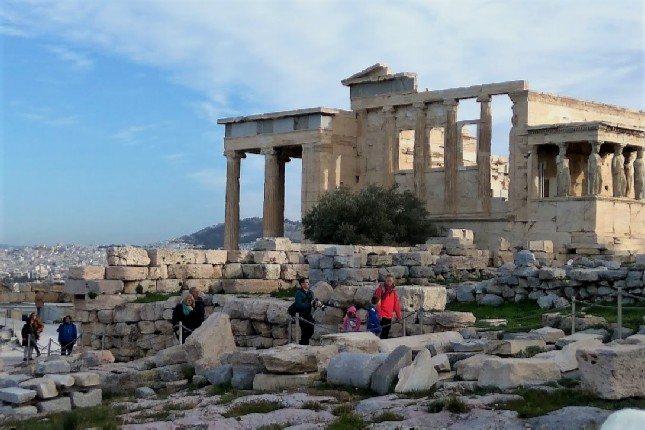
Historic landmarks often carry architectural features that were never designed with accessibility in mind. Narrow corridors, ancient staircases, steep inclines, and cobblestone pathways create obstacles for wheelchair users or travelers with limited mobility. Even seemingly simple tasks, such as reaching a viewpoint or entering a museum, can become challenging.
For travelers with visual impairments, the lack of tactile guidance, braille signage, or audio tours can diminish the experience. Families traveling with elderly members or young children may also encounter difficulties navigating uneven terrain. As a result, what should be a memorable adventure can quickly turn into a frustrating journey.
Balancing Preservation and Accessibility
One of the core challenges for heritage managers is preserving historical authenticity while improving accessibility. UNESCO Heritage Sites often operate under strict conservation regulations, limiting the extent of structural modifications. Installing ramps, elevators, or modern pathways may raise concerns among preservationists about altering centuries-old architecture.
Despite these challenges, many experts argue that accessibility improvements can coexist with preservation goals. Careful planning, creative design, and modern engineering allow for subtle upgrades that respect the site’s history. Smooth pathways that blend with the natural environment, discreet ramps, and virtual navigation tools can significantly enhance visitor experiences without compromising authenticity.
Innovative Solutions in Inclusive Travel
Several heritage sites around the world are already experimenting with innovative approaches to accessibility. Some have introduced alternative routes that allow wheelchair users to reach key areas. Others provide tactile maps, digital guides, or audio storytelling to help visually impaired visitors engage with historical content.
Technology is playing an increasingly vital role in bridging the accessibility gap. Mobile apps can offer interactive maps, augmented reality experiences, and step-by-step navigation through complex structures. Virtual tours are also expanding access to areas that remain physically challenging, allowing travelers to explore UNESCO sites remotely or plan their visit with confidence.
Museums and visitor centers associated with heritage sites are joining this movement. Audio descriptions, multilingual narration, and touchable replicas of artifacts make cultural heritage more tangible and inclusive. By integrating these solutions, heritage destinations not only enhance accessibility but also enrich the overall visitor experience.
Economic and Social Benefits of Accessible Tourism
Improving accessibility is not just a matter of social responsibility—it also makes economic sense. The global accessible tourism market represents billions of dollars in potential revenue, as travelers with disabilities often travel with family or companions. Investing in infrastructure, services, and inclusive experiences opens doors to a broader audience and encourages repeat visits.
Local businesses benefit as well. Hotels, restaurants, and transportation providers that prioritize accessibility often see increased customer loyalty and positive reviews. Heritage sites that embrace inclusive design can position themselves as leaders in sustainable and responsible tourism, attracting both domestic and international travelers.
Moving Toward a More Inclusive Future
The future of heritage tourism is increasingly tied to inclusivity. Cultural organizations, tourism boards, and heritage authorities are collaborating to identify barriers and implement practical solutions. Accessibility audits, community feedback, and user testing are becoming standard practice to ensure that improvements meet real-world needs.
Education also plays a critical role. Heritage managers and conservation teams are receiving training in universal design principles and visitor services, allowing them to plan upgrades that enhance accessibility without undermining historical integrity. As awareness grows, accessibility is shifting from being optional to essential, making cultural heritage genuinely available to everyone.
Embracing Change in Travel Industry Standards
Travel industry professionals are taking note. Tour operators, travel agencies, and digital platforms are increasingly highlighting accessible destinations and services. Online resources now allow travelers to search for heritage sites based on mobility access, assistive services, or digital experiences. This trend demonstrates that inclusive travel is not only a moral imperative but also a strategic business decision.
By embracing accessibility, UNESCO Heritage Sites can enhance visitor satisfaction, broaden market reach, and strengthen their role in global tourism. Travelers today expect destinations that are welcoming, adaptable, and memorable. Those sites that respond effectively will lead the way in shaping the future of heritage tourism.
Conclusion
Accessibility barriers at UNESCO Heritage Sites are no longer a peripheral concern—they are central to the travel experience and the sustainability of heritage tourism. While balancing preservation with inclusivity is challenging, creative solutions, technology, and industry collaboration are paving the way for meaningful change.
Making heritage sites accessible benefits everyone: travelers gain fuller, more enriching experiences, local communities enjoy economic growth, and cultural legacies are shared without limits. In the evolving landscape of global tourism, inclusive design is not just an option—it is the future.