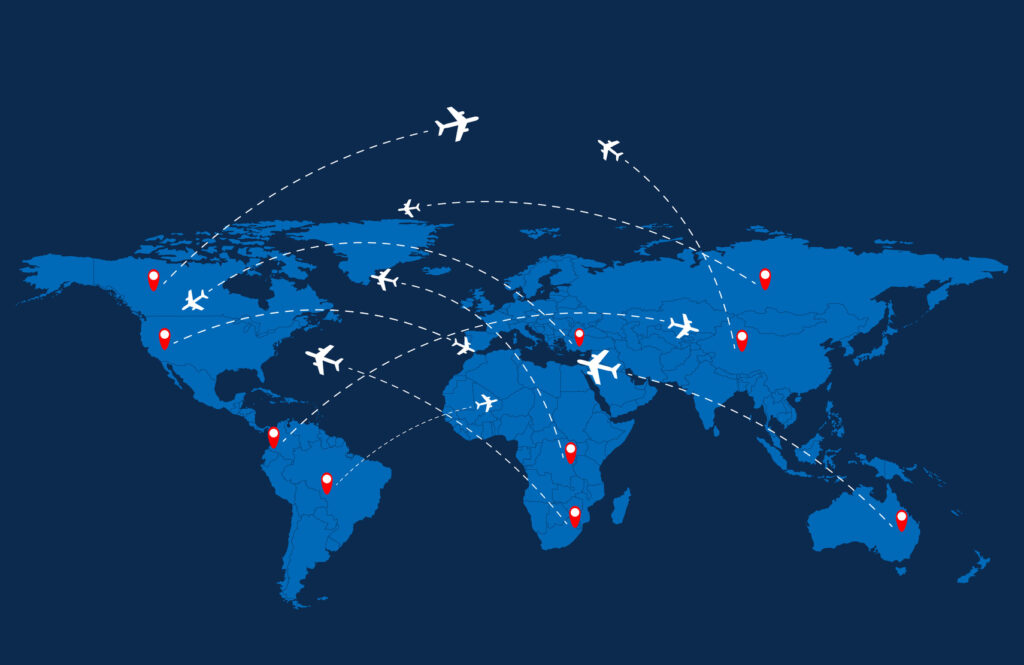
Global Travel Business News Routes Policies and Demand
Global Travel Business News Routes Policies and Demand – The global travel business continues to evolve at a rapid pace, driven by changing travel demand, new airline routes, and shifting government policies. As borders reopen and consumer confidence gradually stabilizes, the travel industry is entering a new phase that looks very different from the pre-pandemic era. Airlines, travel agencies, airports, and tourism boards are all adapting their strategies to stay competitive in an increasingly dynamic global market.
Understanding how routes, policies, and demand interact is now essential for anyone involved in the travel business. These three elements influence ticket prices, destination popularity, and long-term growth opportunities across the industry.
The Role of New Travel Routes in Global Expansion
One of the clearest signals of recovery in the travel business is the steady expansion of international and regional routes. Airlines are no longer focused solely on restoring old connections. Instead, many are experimenting with new routes that align with current travel demand and changing passenger behavior.
Emerging Destinations Gain Attention
Secondary cities and emerging travel destinations are gaining more attention than ever before. Travelers are increasingly interested in less crowded locations, cultural experiences, and alternative tourism hubs. As a result, airlines are launching direct flights to cities that were previously underserved.
This shift benefits both travelers and local economies. Direct routes reduce travel time, lower operational costs for airlines, and create new tourism opportunities. For the global travel business, these route expansions represent a strategic move toward diversification and resilience.
Strategic Airline Partnerships
Another important trend in route development is the rise of strategic airline partnerships and codeshare agreements. Instead of operating every route independently, airlines are collaborating to extend their global reach. These partnerships help airlines manage costs while offering passengers more destination options.
For business travelers, improved connectivity means smoother journeys and fewer layovers. For leisure travelers, it opens access to new regions without complicated itineraries. This approach reflects a smarter, demand-driven route strategy within the global travel business.
Government Policies and Their Impact on Travel
Travel policies remain a powerful force shaping global mobility. Visa regulations, entry requirements, aviation agreements, and tourism policies directly influence travel demand and route planning.
Visa Policies and Cross-Border Travel
Countries that simplify visa processes often see a noticeable increase in inbound travel. Digital visas, visa-on-arrival programs, and regional travel agreements make international trips more accessible and attractive. In contrast, strict or unclear visa policies can slow recovery and discourage potential visitors.
For the global travel business, flexible visa policies translate into stronger demand and more stable passenger flows. Airlines and tour operators closely monitor these changes when planning new routes or marketing campaigns.
Aviation Regulations and Open Skies Agreements
Open skies agreements and bilateral aviation policies also play a critical role in shaping the travel industry. These agreements allow airlines from different countries to operate freely between destinations, encouraging competition and lowering ticket prices.
When governments adopt open aviation policies, travelers benefit from more choices and better pricing. For airlines, it creates opportunities to expand internationally without excessive regulatory barriers. This balance between regulation and market freedom continues to define the future of global travel business growth.
Shifting Travel Demand in a Post-Pandemic World
Travel demand has changed significantly in recent years, and these changes are reshaping how the industry operates. While overall travel volumes are recovering, traveler preferences are more diverse and less predictable than before.
Leisure Travel Leads the Recovery
Leisure travel has become the primary driver of global travel demand. Many travelers prioritize experiences, relaxation, and meaningful trips over frequent short-haul business travel. Destinations offering nature, wellness, and cultural authenticity are seeing stronger interest.
This shift has encouraged airlines and travel businesses to focus on seasonal routes, flexible ticket options, and experience-based travel packages. Leisure-focused demand now plays a central role in route planning and pricing strategies.
Business Travel Adapts, Not Disappears
While business travel has not fully returned to previous levels, it is evolving rather than disappearing. Companies are more selective about travel, focusing on high-value trips such as conferences, negotiations, and relationship-building meetings.
This change has influenced airline cabin configurations, loyalty programs, and corporate travel policies. Premium economy and flexible booking options are gaining popularity as businesses seek value without sacrificing comfort.
Digital Transformation in the Travel Business
Technology is now deeply embedded in every aspect of the global travel business. From booking platforms to airport operations, digital tools are shaping how travel demand is managed and forecasted.
Data-Driven Demand Forecasting
Airlines and travel companies increasingly rely on data analytics to predict demand trends. Real-time booking data, search behavior, and historical patterns help businesses adjust capacity and pricing more accurately.
This data-driven approach allows companies to respond quickly to changes in demand, whether caused by policy shifts, economic conditions, or global events. It also reduces risk and improves operational efficiency.
The Rise of Personalized Travel Experiences
Personalization has become a key competitive advantage. Travelers expect tailored offers, flexible schedules, and relevant recommendations. Digital platforms enable travel businesses to deliver customized experiences based on user preferences and behavior.
For the global travel business, personalization strengthens customer loyalty and increases long-term value. It also supports more effective marketing strategies aligned with real demand.
Future Outlook for Global Travel Business
Looking ahead, the global travel business is expected to continue its gradual expansion, supported by improving connectivity, adaptive policies, and evolving demand patterns. Sustainability, technology, and collaboration will play increasingly important roles.
Environmental concerns are pushing airlines to invest in fuel-efficient aircraft and explore sustainable aviation fuels. Governments and industry stakeholders are also working together to balance growth with environmental responsibility.
At the same time, travelers are becoming more informed and selective. Transparency, flexibility, and value will define success in this competitive landscape. Businesses that align routes, policies, and demand with these expectations are more likely to thrive.
Conclusion
The global travel business stands at a critical intersection of opportunity and transformation. New routes are reshaping connectivity, government policies are redefining mobility, and changing demand is influencing how people travel. Together, these factors create a complex but promising future for the industry.
For travel businesses, staying informed and adaptable is no longer optional. Understanding how routes, policies, and demand interact provides a strategic advantage in an industry that continues to evolve. As global travel regains momentum, those who respond intelligently to these trends will help shape the next chapter of international travel.