From Tokyo to Kyoto: A Journey Across Japan
From Tokyo to Kyoto: A Journey Across Japan – Japan is a land of contrasts, where ultra-modern cities meet centuries-old traditions. Traveling from Tokyo to Kyoto offers a perfect glimpse into this unique blend, allowing visitors to experience both the pulsating energy of urban life and the serene beauty of historic Japan. This journey is not just a trip; it’s an exploration of culture, food, history, and scenery that leaves a lasting impression on every traveler.
Tokyo: The Vibrant Metropolis
Tokyo is the heartbeat of Japan, a city that never seems to sleep. From neon-lit streets in Shibuya to tranquil gardens in the Imperial Palace, Tokyo blends modernity with tradition in fascinating ways. Visitors can explore bustling shopping districts, witness the latest technological innovations, and indulge in some of the world’s finest cuisine.
One of the most iconic experiences in Tokyo is visiting the Tsukiji Outer Market, where fresh seafood and local delicacies offer a taste of Japan’s culinary excellence. Beyond food, neighborhoods like Asakusa provide a glimpse of historical Tokyo, with Senso-ji Temple standing as a reminder of the city’s rich past.
Modern Experiences and Hidden Gems
While the major attractions in Tokyo draw huge crowds, the city also has countless hidden gems. Quiet cafes in Koenji, independent art galleries in Nakameguro, and riverside walks along Sumida River show a different, slower side of the metropolis. Exploring these areas allows travelers to enjoy Tokyo like a local, creating memories beyond the guidebooks.
Public transportation in Tokyo is efficient and user-friendly, making it easy to navigate the city. The extensive train and subway system is also the gateway to the next leg of the journey: Kyoto.
The Shinkansen Experience: Speed and Comfort
Traveling from Tokyo to Kyoto is an experience in itself thanks to Japan’s Shinkansen, or bullet train. The journey covers approximately 450 kilometers in just two to three hours, offering comfort, speed, and convenience. Sitting on the train provides a unique perspective of Japan, with scenic views of Mount Fuji on clear days and glimpses of rural towns along the way.
The Shinkansen isn’t just fast; it is punctual and reliable, making it an iconic part of Japanese travel culture. Whether you’re sipping tea, reading a book, or simply gazing out the window, the journey feels as much a part of the adventure as the destinations themselves.
Kyoto: The Timeless Heart of Japan
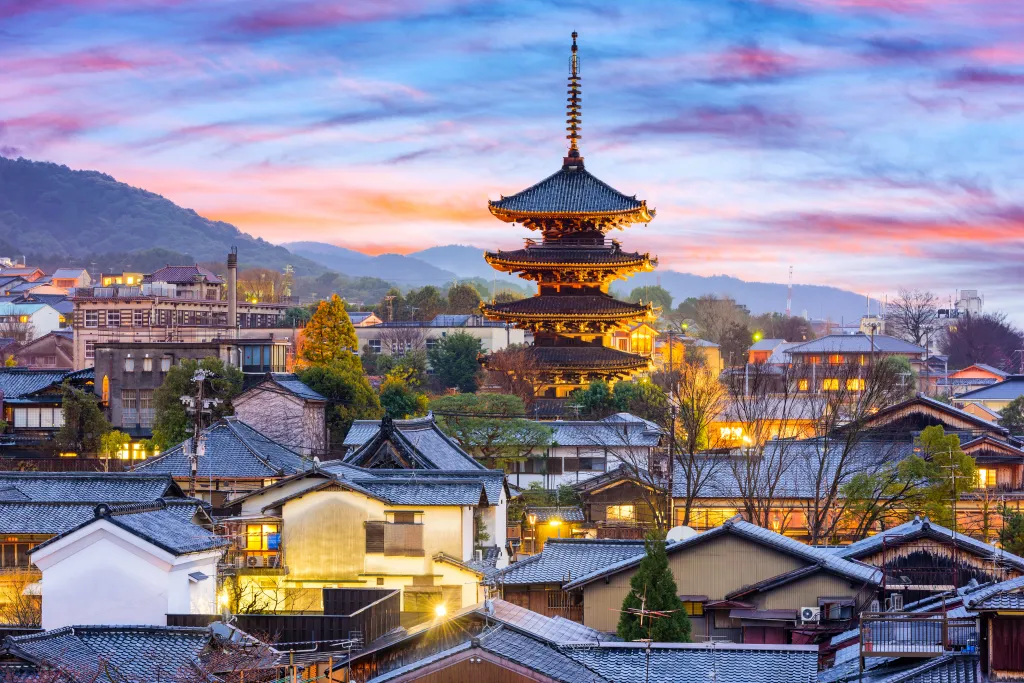
Kyoto, by contrast, is a city that feels like stepping back in time. Known for its temples, shrines, and traditional tea houses, Kyoto offers a serene and reflective atmosphere. The city was Japan’s capital for over a thousand years, and its historical importance is evident in the architecture, gardens, and cultural practices that have been carefully preserved.
Visitors often start their Kyoto journey at iconic sites like Kinkaku-ji, the Golden Pavilion, or Fushimi Inari Shrine, famous for its thousands of vermillion torii gates. Wandering through these landmarks gives a sense of the spiritual and aesthetic values that have shaped Japanese culture for centuries.
Cultural Immersion and Local Experiences
Kyoto is not only about sightseeing; it’s about experiencing Japanese traditions. Participating in a tea ceremony, walking through bamboo groves in Arashiyama, or attending a seasonal festival allows travelers to connect with the city in a deeper way. Local markets and artisan shops offer handcrafted souvenirs and regional delicacies, adding flavor to the journey.
Unlike Tokyo’s bustling energy, Kyoto encourages slower exploration. The quiet streets, scenic riverbanks, and meticulously maintained gardens invite travelers to pause, reflect, and savor each moment.
The Scenic Route Between Tokyo and Kyoto
While the Shinkansen is the fastest option, some travelers prefer a slower, more scenic route. Regional trains and buses offer an alternative, passing through picturesque countryside, small towns, and coastal landscapes. This approach allows travelers to witness the everyday life of Japan beyond major cities, from rice fields to local festivals.
Stopping along the way in towns like Hakone or Nagoya can enhance the journey. Hakone offers hot springs and views of Mount Fuji, while Nagoya provides historical attractions and local cuisine, making the travel between Tokyo and Kyoto part of the adventure rather than just a transit.
Food and Culinary Delights Along the Journey
Japanese cuisine is an essential part of the Tokyo-to-Kyoto experience. In Tokyo, sushi, ramen, and tempura showcase the city’s dynamic food culture. Kyoto, on the other hand, is known for its delicate kaiseki cuisine, matcha sweets, and traditional pickles. Travelers can enjoy local specialties in small family-run restaurants or street food stalls, adding authenticity to the journey.
Sampling seasonal ingredients is a highlight of Japanese travel. Spring brings sakura-themed dishes, autumn offers chestnut and pumpkin delicacies, while winter showcases hearty noodle soups and fresh seafood. Food becomes not just nourishment but a way to understand local culture.
Seasonal Highlights: Experiencing Japan Year-Round
Japan’s beauty changes with the seasons, and the journey from Tokyo to Kyoto offers unique experiences throughout the year. Cherry blossom season in spring paints parks and riversides pink, while autumn transforms temple gardens into a vibrant tapestry of reds and golds. Winter offers snow-covered landscapes and cozy indoor experiences, and summer brings lively festivals and lush green scenery.
Timing your trip according to seasonal highlights can make the journey even more memorable. However, Japan is beautiful year-round, and each season offers its own charm and perspective on both cities and countryside.
Planning the Journey: Tips for Travelers
Traveling from Tokyo to Kyoto is straightforward, but careful planning ensures a smooth experience. Booking Shinkansen tickets in advance, researching accommodations, and prioritizing must-see destinations can help maximize the trip. Combining major landmarks with off-the-beaten-path experiences creates a balanced journey that highlights both the modern and traditional sides of Japan.
Staying flexible is also important. Japan’s public transport is highly efficient, but unexpected events or weather conditions can impact travel plans. Embracing spontaneity allows travelers to discover hidden gems and enjoy authentic experiences along the way.
Conclusion: A Journey of Contrasts and Discoveries
The journey from Tokyo to Kyoto captures the essence of Japan: a country where futuristic cityscapes coexist with ancient temples, and where vibrant culture meets serene landscapes. From the bustling streets and neon lights of Tokyo to the quiet temples and scenic gardens of Kyoto, this journey offers a rich tapestry of experiences that appeal to every traveler.
Whether it’s tasting fresh sushi in Tokyo, riding the Shinkansen with Mount Fuji in the background, or meditating in a Kyoto garden, this journey across Japan is unforgettable. It’s a story of contrasts, discovery, and timeless beauty—a trip that lingers in memory long after the return flight.