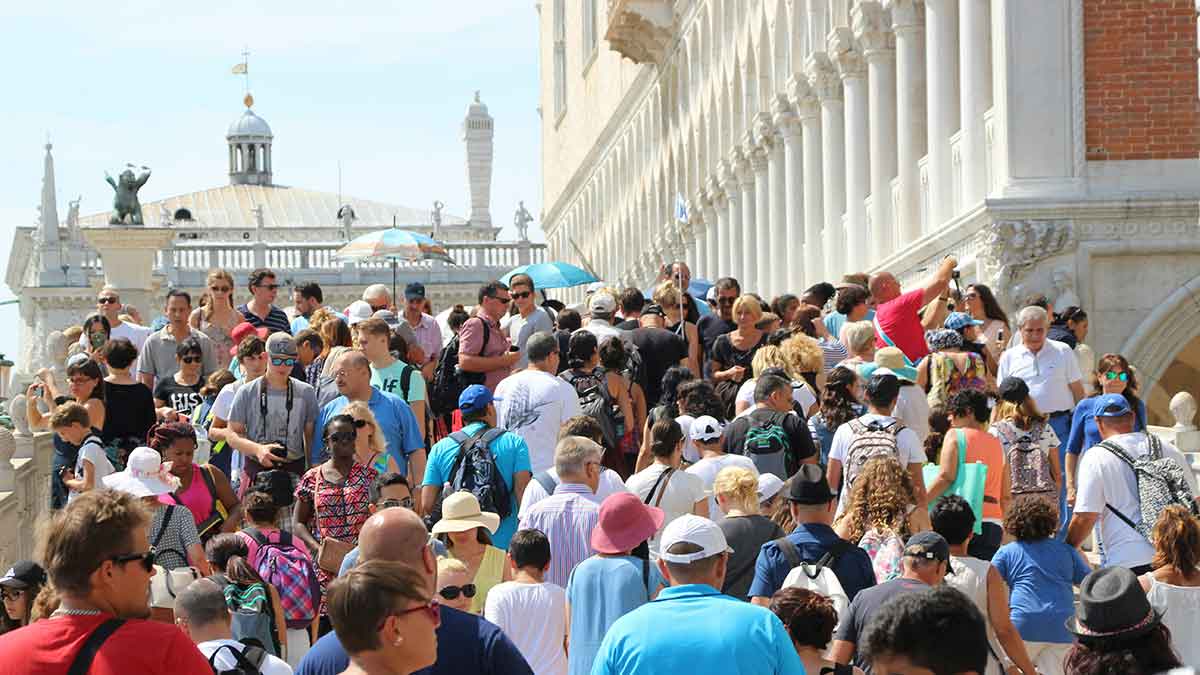
How the Travel Industry Is Responding to Overtourism
How the Travel Industry Is Responding to Overtourism – Over the last decade, global tourism has grown at an incredible pace. Affordable flights, social media exposure, and the rise of digital nomads have made the world feel smaller than ever. Destinations that were once considered hidden gems are now flooded with visitors year-round. While tourism brings economic growth, jobs, and cultural exchange, it also creates a serious challenge known as overtourism.
Overtourism happens when too many visitors arrive at a destination at the same time, putting pressure on local communities, infrastructure, and the environment. Cities like Venice and Barcelona have become global examples of how mass tourism can overwhelm historic neighborhoods and disrupt daily life for residents. Natural landmarks such as Mount Everest and Maya Bay have also experienced environmental damage due to excessive visitor numbers.
Today, the travel industry is no longer ignoring the issue. Airlines, hotels, governments, and tour operators are actively searching for long-term solutions. The goal is clear: protect destinations while maintaining a healthy tourism economy. Let’s explore how the travel industry is responding to overtourism and what changes are shaping the future of global travel.
The Rise of Overtourism in Popular Destinations
Mass tourism didn’t happen overnight. The growth of low-cost carriers, online booking platforms, and viral travel content accelerated travel trends rapidly. When a location becomes popular on Instagram or TikTok, visitor numbers can surge within months.
In cities like Amsterdam, local governments noticed that overcrowding was affecting housing availability and increasing living costs. Residents began voicing concerns about noise, pollution, and the loss of cultural identity. Tourism, once celebrated as a blessing, started to feel like a burden.
Island destinations have been especially vulnerable. Iceland saw visitor numbers exceed its population multiple times per year. Infrastructure such as roads, waste systems, and natural parks struggled to keep up with demand. Similar patterns appeared in Dubrovnik, where cruise ship arrivals significantly increased daily tourist density.
The travel industry realized that without intervention, overtourism could permanently damage the very attractions travelers come to see.
Government Regulations and Tourist Limits
One of the strongest responses to overtourism has come from local governments. Authorities are introducing policies designed to control visitor flow and protect communities.
For example, Venice implemented an entry fee system for day-trippers in an effort to manage crowds and generate funds for city maintenance. Meanwhile, Barcelona tightened regulations on short-term rentals to reduce housing shortages for residents.
In Southeast Asia, Thailand temporarily closed Maya Bay to allow its coral ecosystem to recover from environmental stress. The closure demonstrated that limiting access, even temporarily, can significantly restore natural environments.
National parks are also introducing reservation systems. In the United States, Yosemite National Park has implemented peak-hour reservations to reduce traffic congestion and protect natural habitats. These measures may initially seem restrictive, but they represent a shift toward sustainable tourism management.
Sustainable Tourism and Eco-Friendly Initiatives
Beyond regulation, the travel industry is investing in sustainable tourism strategies. Airlines are exploring carbon offset programs and sustainable aviation fuels. Hotel chains are adopting energy-efficient systems and reducing single-use plastics.
Destinations are encouraging travelers to explore lesser-known regions instead of concentrating in iconic hotspots. For example, instead of focusing only on Paris, tourism boards promote alternative cities and rural areas to distribute economic benefits more evenly.
Tour operators now offer smaller group tours that minimize environmental impact and provide deeper cultural experiences. Travelers are increasingly seeking authentic, responsible travel options rather than crowded attractions.
The concept of “slow travel” is also gaining popularity. Instead of visiting multiple countries in a week, travelers spend more time in one place, supporting local businesses and reducing transportation emissions. This approach benefits both the visitor and the host community.
Technology and Smart Tourism Solutions
Technology plays a crucial role in managing overtourism. Data analytics allows governments to monitor visitor patterns and predict peak travel periods. Real-time crowd tracking apps help travelers avoid congested areas.
Smart city systems are being used to control traffic flow and improve public transportation efficiency. In destinations like Amsterdam, digital campaigns even discourage certain types of party tourism while promoting cultural experiences.
Artificial intelligence and predictive modeling help tourism boards prepare infrastructure for seasonal surges. By understanding where tourists move and when, authorities can design better crowd management strategies.
Technology doesn’t just help governments. It also empowers travelers to make informed choices. With better access to information, tourists can choose off-peak travel dates and less crowded attractions.
Community-Based Tourism as a Long-Term Solution
One important shift in the travel industry is the rise of community-based tourism. Instead of large international corporations controlling all tourism revenue, local communities are directly involved in planning and benefiting from tourism activities.
In countries like Indonesia, rural villages are developing eco-tourism programs that limit visitor numbers while creating sustainable income streams. Visitors experience authentic cultural traditions, and local residents maintain control over development.
This model helps prevent the negative effects of mass tourism by keeping growth at a manageable pace. It also strengthens cultural preservation and environmental stewardship.
Travelers are increasingly aware of their impact. Many now prioritize ethical travel, fair wages, and environmental responsibility when choosing destinations and accommodations.
The Future of Travel in a Post-Overtourism Era
The travel industry understands that overtourism is not just a temporary trend. It is a structural challenge that requires long-term commitment. The future of tourism will likely focus on balance rather than unlimited growth.
Destinations may introduce dynamic pricing models, visitor caps, and seasonal promotions to spread demand more evenly throughout the year. Cruise tourism is also being reevaluated in places like Dubrovnik, where ship arrivals are now more carefully regulated.
The conversation has shifted from “How many tourists can we attract?” to “How can we protect our destination while welcoming visitors?” That change in mindset is significant.
For travelers, this means adapting to new rules, planning ahead, and embracing more responsible travel habits. Booking in advance, respecting local customs, and supporting sustainable businesses will become the norm rather than the exception.
Overtourism has forced the travel industry to rethink its priorities. While challenges remain, the global response shows promising signs of transformation. Governments, companies, and travelers are beginning to understand that protecting destinations ensures they remain beautiful and vibrant for generations to come.
The travel industry is not trying to stop tourism. Instead, it is learning how to manage it better. By combining regulation, technology, sustainability, and community involvement, the industry is slowly building a more resilient future.
As tourism continues to evolve, one thing is clear: responsible travel is no longer optional. It is the foundation for long-term success in a world where every destination deserves protection as much as it deserves admiration.
Hot News!
Terapkan trik menang game online Anda saat meracik angka jitu situs toto di Togel178.
Recent Posts
- Why Travel Shikoku Feels Like a Different Japan
- Indonesia: The Developing Country Offering Luxury Travel on a Budget for Wealthy Tourists
- Supporting Manggarai Flores: How Tourism Can Help Local Communities Recover
- Exploring the Development of Travel and Tourism in Zimbabwe in 2026
- Planning a Trip to Reo, Manggarai: A Journey Through Flores