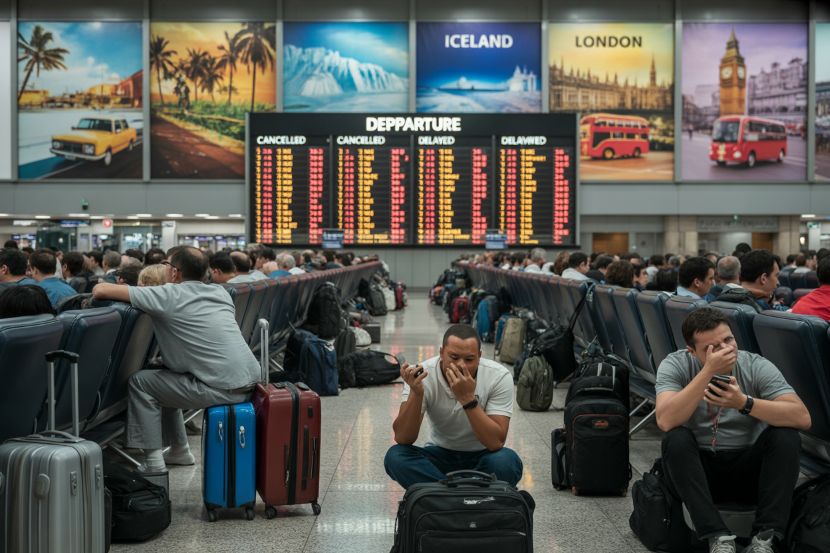
Travel Industry Turmoil Delays Crises and Broken Journeys – The travel industry, once celebrated for its constant movement and seamless experiences, has faced unprecedented turmoil in recent years. From sudden delays and operational crises to broken journeys and frustrated travelers, the sector is grappling with challenges that have reshaped how people plan, book, and experience travel.
While some disruptions are temporary, others point to deeper structural issues affecting airlines, airports, and tourism services globally. Understanding these dynamics is essential for anyone involved in the travel ecosystem, whether as a professional, investor, or frequent traveler.
The Growing Wave of Travel Delays
One of the most visible signs of turmoil in the travel industry is the surge in delays. Flights, trains, and other modes of transport have increasingly struggled to maintain schedules, creating a ripple effect that frustrates travelers and complicates operations.
Causes of Persistent Delays
Multiple factors contribute to these delays. Staffing shortages remain a primary concern, as airlines, ground staff, and airport operators continue to rebuild their workforce after pandemic-related layoffs. Seasonal surges, unexpected maintenance issues, and air traffic congestion also contribute to the growing unpredictability of travel schedules.
Weather disruptions are another factor, with extreme conditions like storms, heatwaves, and snowfall leading to sudden cancellations or route adjustments. In an interconnected industry, even minor disruptions in one hub can trigger delays across continents.
Impact on Travelers and Businesses
Delays affect more than just schedules; they influence traveler trust and spending behavior. Frustrated passengers may abandon plans, seek refunds, or avoid certain carriers altogether. For airlines and travel agencies, repeated delays can harm reputation and long-term customer loyalty.
Businesses that rely on predictable travel—conferences, meetings, and tourism activities—also bear the brunt. Event cancellations and rescheduling add logistical costs and reduce revenue for local economies.
Crises That Shake the Industry
Beyond delays, the travel industry has faced multiple crises that test its resilience. Economic shifts, geopolitical tensions, and environmental disasters have combined to create an uncertain environment for both operators and travelers.
Economic and Political Pressures
Rising fuel costs, fluctuating currency exchange rates, and inflation impact ticket prices and profitability. Airlines are often forced to make difficult decisions, including route reductions or temporary closures of hubs.
Political instability in certain regions also plays a role. Travel advisories, visa restrictions, and sudden border closures disrupt itineraries and deter international visitors. Even in otherwise stable markets, policy uncertainty can make long-term planning difficult for airlines and tourism operators alike.
Environmental and Health Crises
Natural disasters like hurricanes, wildfires, and floods not only delay travel but also damage critical infrastructure. Airports, roads, and hospitality facilities may close for days or weeks, leaving travelers stranded.
The lingering effects of health crises, most notably the global pandemic, have further shaped traveler expectations. Hygiene, safety protocols, and contingency planning are now central to operational strategies. Travelers have become more cautious, prioritizing flexible booking and refund options.
Broken Journeys and Traveler Frustration
Perhaps the most visible outcome of these challenges is the rise of broken journeys—trips interrupted by cancellations, missed connections, or logistical failures.
Personal Stories of Travel Disruption
Passengers increasingly report experiences where entire itineraries are disrupted. Missed flights, long waits at airports, and lost luggage have become common complaints. For families, business travelers, and solo adventurers alike, these disruptions can turn what should have been memorable experiences into stressful ordeals.
Social media amplifies these stories, influencing public perception and shaping future travel decisions. Online reviews, travel blogs, and forums highlight the importance of reliability in an industry that relies heavily on trust.
Industry Responses to Minimize Frustration
Travel operators have started responding with solutions designed to mitigate the impact of broken journeys. Flexible booking policies, instant rebooking services, and real-time communication tools are increasingly standard.
Airlines are investing in digital infrastructure to predict delays, monitor operations, and proactively inform passengers. Travel agencies are offering insurance options and “backup plans” to help clients manage unexpected disruptions. While these measures do not eliminate problems entirely, they improve traveler experience and reduce frustration.
How Travel Businesses Adapt
Despite the turmoil, the travel industry is resilient. Operators are experimenting with new models, leveraging technology, and rethinking service delivery to adapt to an unpredictable environment.
Technology and Data-Driven Solutions
Digital tools now play a central role in managing travel disruptions. Predictive analytics allow airlines and operators to anticipate delays, optimize staffing, and adjust schedules dynamically. Mobile apps provide travelers with real-time updates, alternative route suggestions, and customer support.
Artificial intelligence and machine learning are helping identify patterns in cancellations, delays, and traveler behavior. By leveraging this data, businesses can respond faster and minimize the impact of crises on both operations and customer satisfaction.
Diversification and Flexible Strategies
Many travel businesses are diversifying their offerings to maintain stability during disruptions. Airlines expand cargo services, tour operators create local or short-distance packages, and hotels invest in long-stay accommodations.
Flexibility has become a core strategy. Refundable tickets, adaptable itineraries, and multi-modal travel solutions allow businesses to maintain revenue streams even when traditional travel demand fluctuates.
Looking Ahead: A Resilient Yet Fragile Industry
The travel industry’s turmoil shows that while recovery is possible, fragility remains a constant concern. Delays, crises, and broken journeys highlight structural weaknesses but also encourage innovation and adaptability.
Prioritizing Customer Experience
Moving forward, prioritizing customer experience is no longer optional. Reliable communication, proactive problem-solving, and transparent policies will define which travel businesses thrive. Travelers are more informed and demanding, and meeting their expectations is critical for long-term success.
Embracing Sustainability and Preparedness
Environmental sustainability and crisis preparedness are increasingly central to strategy. From investing in resilient infrastructure to adopting green practices, the industry must balance growth with long-term viability. Companies that plan for future disruptions—whether economic, environmental, or operational—will be better positioned to weather ongoing turbulence.
Conclusion
The travel industry faces an era defined by delays, crises, and broken journeys. While these challenges have disrupted operations and frustrated travelers, they have also prompted innovation and strategic adaptation.
For airlines, operators, and tourism businesses, understanding the causes of these disruptions and investing in solutions is essential. For travelers, flexibility and awareness have become critical for navigating modern travel experiences.
Despite the turmoil, the travel industry remains resilient, capable of bouncing back and redefining the journey experience. Those who embrace adaptability, technology, and customer-focused strategies will lead the way in shaping a smoother, more reliable future for global travel.