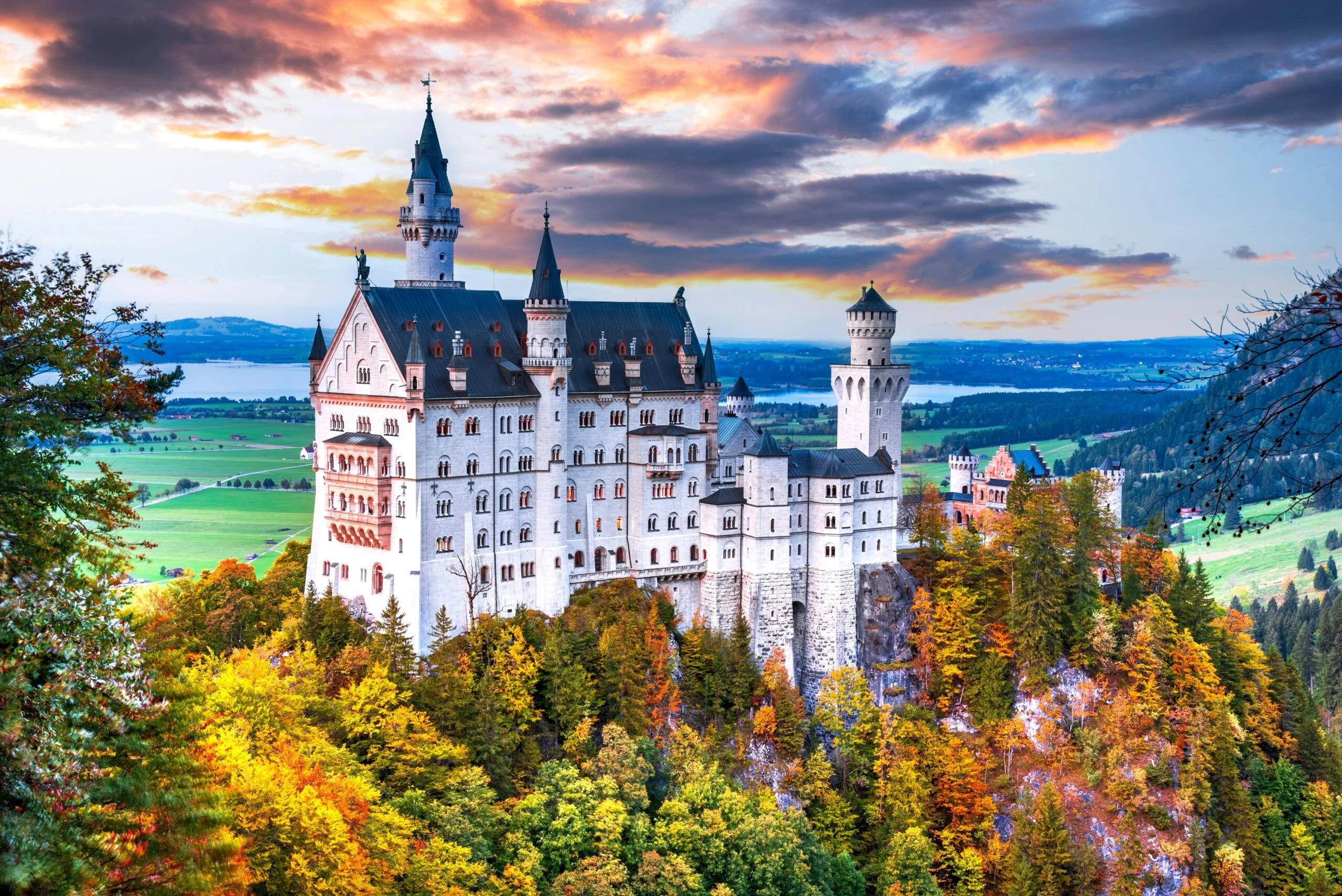
Exploring Historical Kingdoms Castles Palaces and Cities – History has always fascinated travelers and culture enthusiasts alike. From towering castles perched on hills to sprawling palaces in the heart of ancient cities, historical kingdoms offer a window into the past. Exploring these places allows us to step back in time, imagining the lives of kings, queens, warriors, and ordinary people who shaped history. But beyond their beauty, castles, palaces, and historical cities tell stories of power, culture, and survival that still captivate visitors today.
The Charm of Historical Kingdoms
Historical kingdoms are more than just old buildings and cobblestone streets. They represent entire civilizations, their ambitions, and their struggles. Every stone in a castle wall, every archway in a palace, and every street in an ancient city holds a story waiting to be discovered. Exploring these places gives travelers a sense of connection to the past, as if walking alongside those who lived centuries before.
What makes these kingdoms truly fascinating is their diversity. From the medieval fortresses of Europe to the royal palaces of Asia and the grand cities of the Middle East, each kingdom reflects the culture, architecture, and values of its era. The combination of strategic defense, artistic expression, and urban planning shows how human ingenuity shaped these societies.
Castles: Fortresses of Power and Defense
Castles are often the most iconic symbols of historical kingdoms. Built for defense, they were designed to withstand sieges and attacks, serving as both a home for royalty and a military stronghold. Their high walls, moats, and watchtowers were not just architectural marvels—they were practical solutions to the dangers of the time.
The Architecture of Castles
Castle architecture varies widely depending on the region and period. European castles, for instance, often feature massive stone walls, turrets, and drawbridges. Many were strategically placed on hills or near rivers to provide natural defense advantages. In contrast, Asian fortresses, such as those in Japan or India, often incorporate intricate designs and defensive elements that blend seamlessly with the surrounding landscape.
Inside, castles were more than just fortifications. They housed royal families, soldiers, and servants, with grand halls, chapels, and living quarters reflecting the wealth and status of the rulers. Decorative elements like tapestries, carvings, and frescoes also provided insight into the culture and values of the kingdom.
Palaces: Centers of Royal Life
While castles focused on defense, palaces often prioritized luxury and administration. Palaces were the heart of political power, where kings and queens governed, held court, and entertained dignitaries. Unlike castles, palaces were built to impress, with grand halls, lush gardens, and exquisite decorations that showcased the kingdom’s prosperity.
Exploring the Grandeur
Walking through a palace today, visitors can still sense the grandeur of royal life. Ornate ceilings, intricate carvings, and elegant furniture tell stories of artistry and craftsmanship. Many palaces also feature vast gardens, fountains, and courtyards that offered relaxation and leisure for royalty.
Palaces were often centers of culture as well. Music, art, and literature flourished within their walls, supported by the patronage of kings and queens. These spaces weren’t just homes—they were symbols of the kingdom’s identity and ambition, reflecting both power and taste.
Historical Cities: Living Memories of the Past
Beyond castles and palaces, historical cities offer another layer of exploration. Cities were the lifeblood of kingdoms, where trade, politics, and daily life thrived. The layout of streets, marketplaces, temples, and public buildings tells a story about how people lived and interacted.
Streets and Architecture
Walking through an ancient city, visitors can see the evolution of architecture and urban planning. Narrow winding streets might lead to bustling squares, where merchants once sold their goods. Temples, mosques, and churches showcase the spiritual life of the community. The combination of residential, commercial, and public spaces reveals how kingdoms balanced functionality and beauty.
Many historical cities were also hubs of trade and cultural exchange. Markets filled with spices, textiles, and rare goods connected kingdoms to distant lands, bringing in ideas, art, and knowledge that shaped the city’s identity. These exchanges made historical cities dynamic centers of innovation and creativity.
Preserving History Through Tourism
Today, exploring historical kingdoms, castles, palaces, and cities is more than just sightseeing. It’s a way to preserve history and keep the stories of the past alive. Museums, guided tours, and cultural events allow visitors to engage with history in meaningful ways. By visiting these places, travelers support conservation efforts that ensure these architectural treasures endure for future generations.
Experiencing the Past
For many, exploring historical sites is an immersive experience. Walking along castle walls, admiring palace gardens, or wandering through ancient streets allows people to imagine life in a different era. It creates a connection between past and present, helping us understand how history shaped the world we live in today.
Travelers often find that each kingdom has its own personality. Some exude the grandeur of wealth and power, while others tell tales of resilience and survival. Each site offers a unique experience, combining history, culture, and storytelling in ways that books alone cannot capture.
Why Historical Kingdoms Captivate Us
There’s something undeniably captivating about historical kingdoms. They are reminders of human ambition, creativity, and the desire for legacy. Castles, palaces, and cities are more than stone and mortar—they are symbols of a civilization’s achievements, struggles, and dreams.
Exploring these sites allows us to step into the shoes of the past, imagining the lives of kings, soldiers, merchants, and artists. It’s an adventure that connects us to our shared human history, offering lessons, inspiration, and a deeper appreciation for the world’s cultural heritage.
Conclusion
Historical kingdoms, with their castles, palaces, and cities, offer travelers a journey through time. Each structure, street, and monument tells a story of power, artistry, and daily life. From fortified castles to lavish palaces and bustling ancient cities, exploring these places allows us to experience the past in a tangible way. Whether you are a history enthusiast, a curious traveler, or someone who simply loves stories of the past, these kingdoms invite you to walk through history and discover the richness of human civilization.
Visiting historical kingdoms isn’t just about sightseeing—it’s about stepping into living memories, understanding the world as it once was, and appreciating the beauty and complexity of cultures that have shaped our world today.