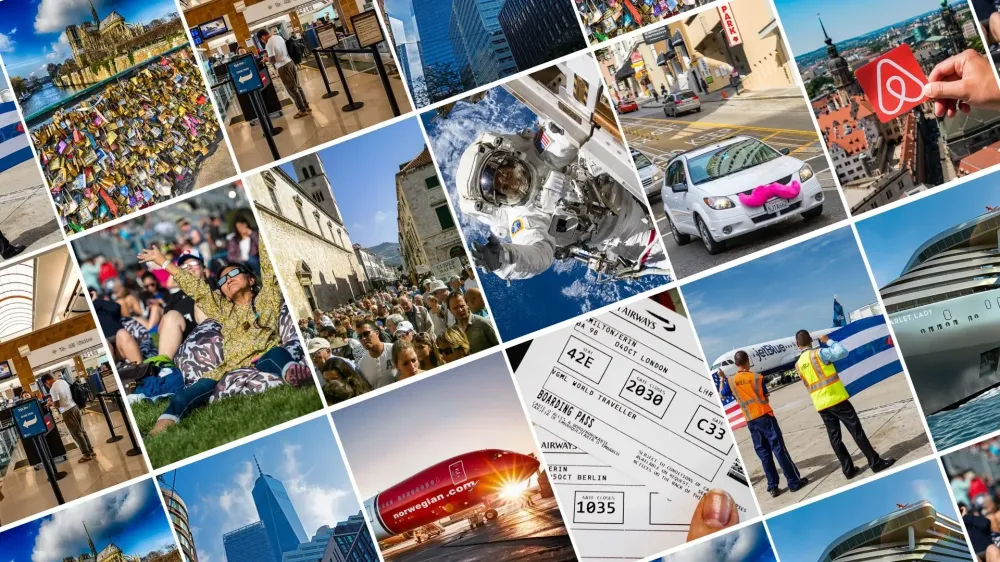
Travel Trends from the Past That Changed Tourism – Tourism did not become what it is today overnight. Long before budget airlines, digital nomads, and online bookings, travel was shaped by powerful trends that slowly transformed how people explore the world. Some of these trends may feel outdated now, but their influence is still deeply embedded in modern tourism.
Looking back at travel trends from the past helps us understand why tourism works the way it does today. From luxury train journeys to the rise of package tours, these shifts laid the foundation for global travel as we know it.
The Era of Grand Tours and Elite Travel
In the 17th and 18th centuries, travel was not something everyone could enjoy. It was mostly reserved for the wealthy, especially young European aristocrats. One of the earliest travel trends that changed tourism was the Grand Tour.
Travel as Education and Status
The Grand Tour was considered a rite of passage. Young travelers would spend months or even years visiting cultural centers like Paris, Rome, Venice, and Florence. Travel was not about relaxation but about education, art, and social prestige.
This trend introduced the idea that travel could shape identity and personal growth. Today’s cultural tourism, museum hopping, and heritage trips are rooted in this early concept of meaningful travel.
Steam Power and the Birth of Mass Transportation
The industrial revolution changed everything, including how people moved from one place to another. Steam-powered trains and ships made long-distance travel faster, safer, and more affordable.
How Railways Opened Tourism to the Public
Before trains, travel was slow and uncomfortable. With railways connecting major cities, tourism expanded beyond the elite. Middle-class travelers could finally explore new destinations without extreme cost or risk.
Railway hotels, guidebooks, and standardized routes began to appear. This period marked the transition from exclusive travel to early mass tourism, a major turning point in global tourism history.
The Rise of Seaside Holidays
One of the most influential travel trends from the past was the popularity of seaside vacations. In the 19th century, coastal towns transformed into tourist hotspots almost overnight.
Health, Leisure, and Coastal Escapes
Seaside travel was originally linked to health benefits. Doctors believed that sea air and saltwater bathing could cure illnesses. As a result, destinations like Brighton, Nice, and Atlantic City grew rapidly.
Over time, seaside travel became associated with leisure and relaxation. This trend shaped modern beach tourism, resorts, and coastal travel economies that still dominate global tourism today.
Package Tours and Organized Travel
The introduction of organized tours changed tourism more than most people realize. In the mid-1800s, companies began offering pre-arranged travel packages that included transportation, accommodation, and itineraries.
Making Travel Simple and Accessible
One of the pioneers of this trend was Thomas Cook. His package tours removed uncertainty from travel and made it accessible to people who had never traveled before.
This concept still exists today through all-inclusive resorts, guided tours, and travel agencies. Even modern online travel platforms follow the same principle of convenience and planning efficiency.
The Golden Age of Luxury Travel
While mass tourism was growing, luxury travel also experienced its own golden era. From the late 19th to early 20th century, luxury trains and ocean liners defined high-end tourism.
Trains and Ships as Travel Icons
Trains like the Orient Express and ocean liners like the Titanic offered more than transportation. They were destinations themselves, featuring fine dining, elegant cabins, and elite social environments.
This trend shaped the modern idea of experiential travel, where the journey is just as important as the destination. Luxury cruises and premium rail experiences today are direct descendants of this era.
The Jet Age and Global Tourism Expansion
The introduction of commercial jet travel in the mid-20th century completely reshaped tourism. Suddenly, international travel became faster and more accessible than ever before.
How Air Travel Changed Destinations Forever
Long-haul destinations that once took weeks to reach became accessible in hours. This led to the rapid development of international tourism hubs across Asia, the Americas, and the Middle East.
The jet age also encouraged short-term vacations, city breaks, and frequent travel. Modern tourism’s global scale would not exist without this revolutionary shift.
Backpacking and Independent Travel Movements
In the 1960s and 1970s, a new travel trend emerged that challenged traditional tourism models. Backpacking and independent travel became symbols of freedom and self-discovery.
Traveling Beyond Tourist Routes
Young travelers began exploring off-the-beaten-path destinations, staying in hostels, and prioritizing experiences over comfort. This movement introduced the idea of budget travel and cultural immersion.
Today’s solo travel, digital nomad lifestyle, and alternative tourism trends are all influenced by this era of independent exploration.
Technology and the Shift Toward Self-Planned Travel
Although digital travel tools feel modern, their roots can be traced back to earlier trends of self-guided tourism. Guidebooks, printed maps, and travel clubs were early tools that empowered travelers.
From Guidebooks to Digital Platforms
Travelers gradually moved away from fully guided tours toward independent planning. This shift prepared the tourism industry for online booking systems, review platforms, and personalized travel experiences.
The desire for control, flexibility, and authenticity continues to shape how people travel today.
Why Past Travel Trends Still Matter Today
Understanding travel trends from the past is more than a history lesson. These movements explain why tourism infrastructure, traveler behavior, and destination marketing look the way they do now.
From educational travel and mass transportation to luxury experiences and independent exploration, each trend contributed something essential to modern tourism. The industry continues to evolve, but its foundations remain deeply connected to these historical shifts.
As tourism adapts to new challenges and technologies, the influence of past travel trends reminds us that travel is always shaped by human needs, curiosity, and the desire to explore beyond familiar boundaries.