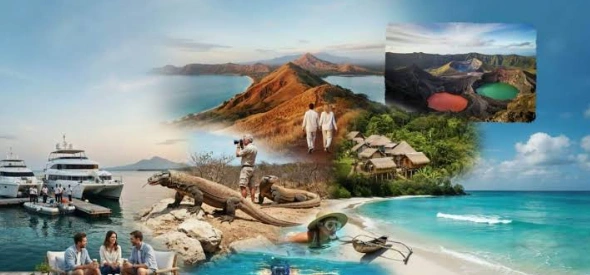
Supporting Manggarai Flores: How Tourism Can Help Local Communities Recover
Supporting Manggarai Flores: How Tourism Can Help Local Communities Recover | Manggarai Flores is a region rich in natural beauty, cultural traditions, and welcoming communities. Located on the island of Flores in East Nusa Tenggara, the area has great potential for tourism while also facing challenges that can affect local livelihoods.
Responsible tourism can play an important role in helping communities recover and build stronger local economies. When visitors choose local businesses, respect cultural traditions, and explore destinations responsibly, tourism can provide meaningful benefits for the people who live there.
Discovering the Beauty of Manggarai Flores
Manggarai offers travelers a combination of mountains, traditional villages, agricultural landscapes, and distinctive local culture. The region is particularly appealing to travelers who want experiences beyond conventional beach tourism.
One of the best-known cultural attractions is the traditional village of Wae Rebo, which is surrounded by mountainous scenery. Its traditional houses and community traditions provide visitors with an opportunity to learn more about the cultural heritage of Flores.
Tourism in places like these can create opportunities for local guides, homestay owners, artisans, farmers, drivers, and food producers.
How Tourism Can Support Local Communities
Tourism has the potential to create income in several ways. The key is ensuring that more of the economic benefits remain within the local community.
1. Supporting Local Businesses
One of the easiest ways travelers can contribute is by spending money at locally owned businesses.
Instead of relying entirely on large companies, visitors can choose:
- Local guesthouses and homestays
- Family-owned restaurants
- Local transportation services
- Community-based tour operators
- Traditional handicraft shops
- Local coffee and food producers
Every purchase can help circulate money within the community.
2. Creating Jobs for Local Residents
Tourism can generate employment opportunities for people living in Manggarai.
Local residents can work as tour guides, drivers, cooks, accommodation staff, porters, artisans, photographers, or cultural interpreters.
These opportunities can be especially valuable when they allow younger residents to develop professional skills without having to leave their communities permanently.
3. Promoting Manggarai’s Cultural Heritage
Tourism can also encourage the preservation of local traditions.
Manggarai has a distinctive cultural identity expressed through traditional houses, ceremonies, music, dance, weaving, and community customs. When travelers show genuine interest in these traditions, cultural heritage can gain greater economic and social value.
However, cultural tourism should always be respectful. Traditions should not be treated simply as entertainment. Visitors should follow local rules and ask permission before photographing people, ceremonies, or sacred places.
4. Buying Authentic Local Products
Travelers can make a direct contribution by purchasing products made by local artisans and producers.
Traditional woven textiles, handicrafts, locally produced coffee, and regional foods can provide additional income for families.
Buying directly from producers or reputable local businesses can also help ensure that the economic value of tourism reaches the people who create these products.
Responsible Tourism Matters
Tourism can bring significant benefits, but poorly managed tourism can also create problems. Crowding, waste, environmental damage, and cultural commodification can reduce the long-term value of a destination.
For this reason, visitors should practice responsible tourism.
Simple actions can make a difference:
- Carry reusable water bottles and bags.
- Avoid leaving trash at natural and cultural sites.
- Respect local customs and dress expectations.
- Stay on designated trails.
- Avoid damaging plants or wildlife habitats.
- Use local services whenever practical.
- Ask permission before taking photographs of residents.
- Follow community rules at traditional and sacred sites.
Responsible travel helps protect the destinations that communities depend on.
Tourism and Environmental Recovery
Manggarai’s natural environment is one of its greatest tourism assets. Mountains, forests, farms, waterfalls, and rural landscapes attract visitors looking for nature-based experiences.
Protecting these environments is therefore closely connected to protecting future tourism opportunities.
Community-based environmental programs can create a positive cycle. Residents can participate in conservation while tourism generates income that supports local initiatives.
Travelers can contribute by choosing environmentally responsible tours and accommodations and by minimizing their impact during their visit.
Why Community-Based Tourism Is Important
Community-based tourism gives local residents a greater role in managing tourism activities and benefiting from them.
Instead of communities simply becoming destinations for visitors, residents can become active participants in the tourism economy.
This approach can include locally managed homestays, village tours, cultural experiences, trekking services, agricultural activities, and traditional cooking classes.
The result can be a more meaningful experience for travelers while creating additional economic opportunities for local families.
Travelers Can Make a Difference
Supporting Manggarai Flores does not always require a large donation or complicated action.
A traveler can contribute simply by making thoughtful choices.
Choosing a local homestay instead of a large chain, hiring a local guide, eating at a family-owned restaurant, or purchasing handmade products can help distribute tourism income more widely.
Travelers can also promote responsible destinations by sharing accurate information and encouraging others to respect local communities and environments.
Building a Stronger Future for Manggarai Flores
The long-term success of tourism should not be measured only by the number of visitors who arrive. It should also be measured by how tourism affects local people and the environment.
A healthy tourism industry can help create jobs, support small businesses, preserve cultural traditions, and encourage environmental protection.
For Manggarai Flores, the opportunity is to develop tourism that benefits both visitors and residents. When local communities have an active role in tourism development, the industry can become a tool for sustainable economic growth and recovery.
Manggarai Flores has the natural and cultural resources to become an inspiring destination for responsible travelers. Tourism can help local communities recover by creating jobs, supporting small businesses, promoting local products, and encouraging cultural and environmental preservation.
The most meaningful travel experiences are often those that leave a positive impact behind. By choosing local services, respecting traditions, protecting nature, and traveling responsibly, visitors can help ensure that tourism contributes to a stronger future for Manggarai communities.
Supporting Manggarai Flores is not only about visiting a beautiful destination. It is about making sure that the people who call it home can also benefit from its growing tourism potential.
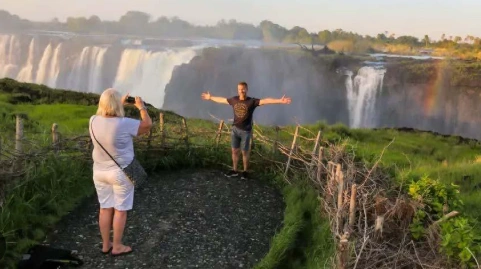
Exploring the Development of Travel and Tourism in Zimbabwe in 2026
Zimbabwe is experiencing renewed growth in its travel and tourism industry in 2026 | With spectacular natural landscapes, abundant wildlife, cultural heritage, and the world-famous Victoria Falls, the country continues to strengthen its position as an attractive destination in Southern Africa.
Tourism has become increasingly important to Zimbabwe’s economy, creating opportunities for local communities, hospitality businesses, tour operators, transport providers, and other tourism-related industries.
In 2026, the country’s tourism development is being shaped by rising international arrivals, stronger regional cooperation, improved tourism promotion, infrastructure development, and a growing focus on sustainable travel.
Tourism Growth in Zimbabwe in 2026
Zimbabwe’s tourism industry has shown encouraging growth at the beginning of 2026. International tourist arrivals increased during the first quarter compared with the same period of the previous year.
This growth indicates that Zimbabwe is regaining momentum as an international travel destination. Increased interest from African markets, as well as travelers from Asia, Europe, and other regions, is helping broaden the country’s tourism base.
The growth of tourism also creates opportunities for hotels, restaurants, transportation companies, travel agencies, safari operators, and local entrepreneurs.
However, increasing visitor numbers are only one measure of tourism success. Zimbabwe also needs to encourage longer stays, higher visitor spending, and greater distribution of tourism income among local communities.
Victoria Falls Remains the Main Tourism Attraction
Victoria Falls continues to be the centerpiece of Zimbabwe’s tourism industry.
Located along the Zambezi River, the waterfall attracts visitors from around the world who come to experience its dramatic scenery and surrounding natural environment.
Victoria Falls also supports a wide range of tourism activities, including:
- Scenic sightseeing
- Wildlife experiences
- River cruises
- Whitewater rafting
- Adventure activities
- Helicopter tours
- Cultural experiences
- Photography
- Luxury tourism
The destination is particularly important because it can attract both leisure travelers and high-value adventure tourists.
Zimbabwe is also strengthening cooperation with neighboring Zambia to promote Victoria Falls as part of a broader regional tourism destination.
Wildlife Tourism Continues to Grow
Wildlife remains one of Zimbabwe’s most important tourism assets.
The country has several major national parks and conservation areas that provide opportunities for visitors to experience African wildlife in natural environments.
Among the most important destinations are:
- Hwange National Park
- Mana Pools National Park
- Gonarezhou National Park
- Matobo National Park
- The Zambezi Valley
- Victoria Falls and surrounding wildlife areas
Safari tourism can attract visitors interested in elephants, lions, buffalo, wild dogs, birds, and other African wildlife.
For Zimbabwe, wildlife tourism is also closely connected to conservation. Well-managed tourism can generate revenue that supports protected areas while creating employment and business opportunities for surrounding communities.
Cultural and Heritage Tourism
Zimbabwe’s tourism industry is becoming more diverse, with greater attention being given to cultural and historical attractions.
Great Zimbabwe is one of the country’s most important heritage destinations. The ancient stone city provides visitors with an opportunity to learn about the history and achievements of African civilizations.
Other destinations across Zimbabwe also offer cultural experiences involving traditional communities, music, crafts, food, architecture, and local history.
Developing these attractions can encourage tourists to explore areas beyond Victoria Falls and spend more time in different parts of the country.
Adventure Tourism Is Becoming More Important
Adventure tourism is another area with significant potential in Zimbabwe.
Victoria Falls is already known for adventure experiences, but other destinations can also support hiking, mountain activities, fishing, canoeing, and outdoor exploration.
The country’s varied landscapes create opportunities for travelers who want more than conventional sightseeing.
Adventure tourism is particularly attractive to younger travelers who often look for memorable experiences that combine nature, physical activity, photography, and local culture.
Gastronomy and Food Tourism
Food is increasingly becoming part of the travel experience in Zimbabwe.
Traditional Zimbabwean cuisine provides visitors with another way to connect with local culture. Foods such as sadza, vegetables, meat dishes, traditional snacks, and locally produced ingredients can be incorporated into tourism experiences.
Restaurants, food markets, cultural festivals, cooking experiences, and community-based tourism can all contribute to the development of gastronomy tourism.
Promoting local food can also create opportunities for farmers, food producers, restaurants, and small businesses.
Infrastructure and Connectivity
Infrastructure remains an important factor in the development of Zimbabwe’s tourism industry.
Airports, roads, accommodation, transportation networks, internet connectivity, and visitor facilities all influence the overall travel experience.
Improving these areas can make it easier for international tourists to reach Zimbabwe and travel between major destinations.
Better connectivity is particularly important for encouraging visitors to combine Victoria Falls with national parks, heritage sites, cities, and other attractions.
Regional Tourism Cooperation
Zimbabwe’s tourism development is also connected to the wider Southern African tourism market.
Many international visitors travel to more than one country during a single trip. Zimbabwe can therefore benefit from cooperation with neighboring destinations such as Zambia, Botswana, South Africa, Mozambique, and Namibia.
Multi-country travel packages can encourage tourists to spend more time in the region and experience different landscapes and cultures.
Victoria Falls is especially suitable for this type of regional tourism because it can serve as a gateway between several Southern African destinations.
Sustainable Tourism Development
Sustainability is becoming increasingly important for Zimbabwe’s tourism industry.
Natural attractions such as Victoria Falls and the country’s national parks require careful management to protect them for future generations.
Sustainable tourism can involve:
- Protecting wildlife habitats
- Reducing environmental damage
- Supporting local communities
- Promoting responsible travel
- Improving waste management
- Conserving cultural heritage
- Creating long-term employment
Community involvement is especially important because local residents should benefit from tourism development in the areas where visitors travel.
Tourism and Local Economic Opportunities
Tourism can provide significant economic opportunities for Zimbabwe.
Hotels, restaurants, tour operators, transportation companies, guides, artisans, farmers, photographers, and small businesses can all benefit from increased visitor activity.
Young people can also find opportunities in hospitality, digital marketing, tour guiding, photography, food services, and tourism entrepreneurship.
If tourism growth continues, the industry could become an increasingly important source of employment and income for communities across the country.
Challenges Facing Zimbabwe Tourism in 2026
Despite positive developments, Zimbabwe’s tourism industry still faces several challenges.
Infrastructure improvements remain important, particularly outside major tourism centers. Transportation costs, international connectivity, accommodation availability, and service quality can also influence visitor decisions.
Zimbabwe must also compete with other well-established destinations in Southern Africa.
Another challenge is ensuring that tourism growth is sustainable. Increasing visitor numbers should not come at the expense of wildlife, natural landscapes, cultural heritage, or local communities.
Addressing these challenges will be essential for maintaining long-term tourism growth.
The Future of Travel and Tourism in Zimbabwe
The outlook for Zimbabwe’s tourism industry in 2026 is encouraging.
The country has a strong foundation of natural attractions, wildlife, heritage sites, adventure activities, and cultural experiences. Growing international arrivals indicate increasing interest in Zimbabwe as a travel destination.
The next stage of development should focus on improving the quality of the visitor experience rather than simply increasing the number of tourists.
Better infrastructure, stronger international marketing, sustainable tourism practices, regional cooperation, and community participation can help Zimbabwe build a more competitive tourism industry.
The development of travel and tourism in Zimbabwe in 2026 reflects a destination with significant potential and renewed momentum.
Victoria Falls remains the country’s most recognizable tourism attraction, while wildlife, cultural heritage, adventure tourism, gastronomy, and community-based experiences are helping diversify the industry.
Zimbabwe’s future tourism success will depend on its ability to combine visitor growth with sustainable development, improved infrastructure, quality services, and meaningful benefits for local communities.
With its remarkable natural beauty and cultural heritage, Zimbabwe has the potential to become one of Southern Africa’s most attractive and diverse tourism destinations.
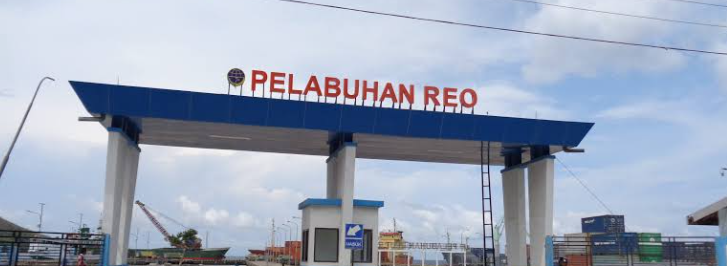
Planning a Trip to Reo, Manggarai: A Journey Through Flores
Planning a Trip to Reo, Manggarai: A Journey Through Flores | Flores is famous for its dramatic landscapes, traditional villages, beautiful beaches, and rich cultural heritage. While destinations such as Labuan Bajo and Wae Rebo often receive most of the attention, other parts of the island offer a quieter and more authentic travel experience.
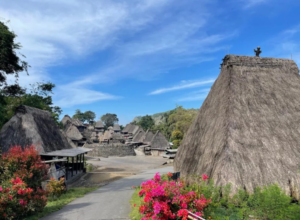
One of them is Reo, Manggarai.
Located on the northern coast of Flores, Reo offers travelers an opportunity to experience a different side of the island. From coastal scenery and local traditions to everyday community life, a journey to Reo can become a memorable part of exploring Manggarai.
If you are planning a trip to Reo, Manggarai, this guide will help you understand what to expect and how to make the most of your journey.
Where Is Reo, Manggarai?
Reo is a coastal town in Manggarai Regency, East Nusa Tenggara, Indonesia. Its location on the northern side of Flores makes it an interesting stop for travelers exploring the island beyond the better-known tourist destinations.
Unlike some of Flores’ major attractions, Reo has a more relaxed atmosphere. The town provides an opportunity to see everyday life in Manggarai while enjoying the natural scenery surrounding the northern coast.
For travelers who prefer less crowded destinations, this can be part of Reo’s appeal.
Why Visit Reo?
A trip to Reo is not necessarily about checking off a long list of famous attractions. Instead, it is about experiencing the landscape, culture, and rhythm of local life.
There are several reasons travelers may want to include Reo in a Flores itinerary.
Coastal Scenery
Reo’s location near the sea gives the area a distinctly coastal character. Travelers can enjoy views of the water, surrounding hills, and tropical landscapes.
The combination of mountains and coastline is one of the characteristics that makes Flores such an interesting island to explore.
Local Culture
Manggarai is known for its distinctive cultural traditions, architecture, music, dance, and community customs.
Visiting Reo provides an opportunity to experience Manggarai culture outside the island’s most heavily visited tourist areas.
Travelers should approach local communities respectfully, especially when visiting cultural or religious sites.
A Quieter Travel Experience
For visitors who find busy tourist destinations overwhelming, Reo can offer a slower pace.
Instead of rushing from one attraction to another, travelers can spend time exploring the town, observing local life, enjoying the scenery, and discovering places at a more relaxed pace.
Exploring Flores Beyond Labuan Bajo
Labuan Bajo is an important gateway to western Flores and the Komodo region. However, Flores has much more to offer beyond its most famous destination.
A journey through the island can reveal a variety of landscapes and cultures.
Travelers can encounter volcanic mountains, traditional villages, rice fields, coastal communities, waterfalls, and scenic roads connecting different parts of the island.
Including Reo in a longer Flores journey allows visitors to see a side of the island that may feel more connected to everyday local life.
How to Get to Reo
Traveling around Flores requires some planning because distances between destinations can be significant and road conditions can vary.
Depending on your starting point, Reo can be reached by road from other parts of Flores. Private transportation, rental vehicles, or local drivers can be useful for travelers who want greater flexibility.
If you are building a multi-day Flores itinerary, it is important not to underestimate travel times.
The journey itself can be part of the experience, with mountain roads, coastal views, villages, and changing landscapes along the way.
Best Things to Do in Reo
Although Reo may not have the same number of internationally promoted attractions as Labuan Bajo, there are still several ways to enjoy the area.
Enjoy the Coastal Atmosphere
Spend some time near the coast and take in the scenery.
Early morning and late afternoon can be particularly pleasant times to enjoy outdoor views because temperatures are generally more comfortable and the light can create beautiful landscapes.
Explore Local Life
Walking around town and observing everyday activities can be one of the most rewarding parts of visiting a less-touristy destination.
Local markets, small shops, traditional houses, and community spaces can offer a glimpse into daily life in Manggarai.
Always ask permission before photographing people, especially during private or cultural activities.
Try Local Food
Food is an important part of traveling through Flores.
Rather than looking only for familiar international dishes, consider trying local Indonesian and Manggarai-style foods when available.
Small local restaurants and food stalls can provide an opportunity to experience regional flavors while supporting local businesses.
Use Reo as Part of a Flores Road Trip
Reo can also be considered as one stop on a broader Flores road trip.
Instead of spending an entire vacation in one destination, travelers can create an itinerary that connects several towns and natural attractions.
This approach allows you to experience the diversity of Flores at a slower and more meaningful pace.
When Is the Best Time to Visit?
Weather is an important consideration when planning a trip through Flores.
The dry season is generally popular among travelers because outdoor activities and road trips can be more convenient. However, weather conditions can vary, so it is always advisable to check the local forecast before traveling.
If you plan to travel by motorcycle or explore rural areas, road conditions should receive particular attention during periods of heavy rain.
The best travel period ultimately depends on your itinerary, preferred activities, and tolerance for changing weather.
What Should You Bring?
A trip to Reo is easier when you are prepared for Flores’ tropical climate and varied terrain.
Consider bringing:
- Lightweight and breathable clothing
- Comfortable walking shoes
- Sunscreen
- Sunglasses and a hat
- Reusable drinking water
- Insect repellent
- Basic personal medication
- Power bank
- Cash for smaller local businesses
- A light rain jacket
If you plan to continue traveling through remote parts of Flores, carrying some basic supplies can be especially useful.
Respect Local Communities
Responsible tourism is important when visiting smaller communities.
Travelers should respect local customs, dress appropriately when visiting cultural or religious sites, ask permission before taking photographs, and avoid leaving rubbish behind.
Learning a few simple Indonesian words can also make interactions with local residents easier and more enjoyable.
A respectful attitude can turn a short visit into a much more meaningful cultural experience.
How Long Should You Stay?
The ideal length of a Reo visit depends on your overall Flores itinerary.
For travelers passing through, one or two nights may be enough to experience the town and surrounding area.
If you prefer slow travel, staying longer can allow you to explore at a more relaxed pace and interact more with the local community.
The key is not necessarily how many days you spend in Reo, but how intentionally you use your time there.
Planning a Flores Itinerary
If Reo is part of a larger trip, avoid creating an itinerary that is too ambitious.
Flores is a mountainous island, and road journeys can take longer than expected. Give yourself enough time between destinations and allow room for unexpected delays.
A relaxed itinerary might include:
Day 1: Arrive and settle in
Day 2: Explore Reo and the surrounding area
Day 3: Continue your journey through Flores
The exact itinerary should depend on where you are coming from and where you plan to travel next.
A Different Side of Flores
One of the most rewarding aspects of traveling through Flores is discovering places that are not always at the center of international tourism.
Reo offers travelers a chance to slow down and appreciate the northern coast of Manggarai, experience local culture, and see a more everyday side of the island.
It may not have the global recognition of Labuan Bajo, but that is precisely what can make the journey special.
Planning a trip to Reo, Manggarai is an opportunity to explore Flores beyond its most famous attractions.
With its coastal setting, local culture, relaxed atmosphere, and connection to the wider Manggarai region, Reo can be a rewarding destination for travelers looking for a more authentic experience.
Whether you visit as part of a road trip across Flores or spend several days exploring the area, take the time to appreciate the journey itself.
Sometimes the most memorable travel experiences are not found at the most famous tourist attractions. They are found on quiet roads, in local communities, beside the coast, and in the everyday moments that make a destination unique.
For travelers willing to explore beyond the usual itinerary, Reo can be a meaningful stop on a journey through Flores.