Why Travel Shikoku Feels Like a Different Japan
Why Shikoku Feels Like a Different Japan | Japan is famous for its enormous cities, efficient trains, ancient temples, neon streets, and densely populated urban centers. Tokyo, Osaka, and Kyoto often dominate the country’s image for international travelers.
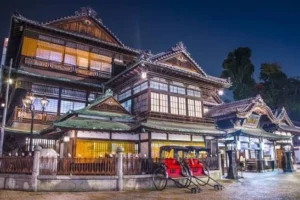
But there is another side of Japan that feels remarkably different.
Located in the country’s southwest, Shikoku is the smallest of Japan’s four main islands. It is known for rugged mountains, quiet coastal towns, traditional villages, temples, rivers, and a slower pace of life.
For travelers who have already experienced Japan’s major cities, Shikoku can feel like stepping into another version of the country.
So, why does Shikoku feel like a different Japan?
1. Life Moves at a Slower Pace
One of the first things visitors may notice in Shikoku is the atmosphere.
Compared with Tokyo or Osaka, many parts of the island feel quieter and less crowded. There are fewer enormous commercial districts and fewer constant streams of commuters.
Instead, daily life often revolves around small neighborhoods, local businesses, agriculture, fishing, and community traditions.
The slower pace can be especially noticeable for travelers coming directly from Japan’s biggest cities.
In Shikoku, the journey itself can feel just as important as the destination.
2. Mountains Dominate the Landscape
Shikoku is surprisingly mountainous.
Large parts of the island are covered by forests and mountains, creating a landscape very different from Japan’s urban image.
Roads wind through valleys, small villages appear between mountains, and rivers cut through the landscape.
The rugged geography has also influenced how communities developed.
Some villages are isolated, while others are connected by narrow roads that follow valleys and rivers.
For nature lovers, this is one of Shikoku’s greatest attractions.
3. The Island Is Famous for the 88-Temple Pilgrimage
Perhaps Shikoku’s most distinctive cultural tradition is the Shikoku Pilgrimage.
The pilgrimage connects 88 temples associated with the Buddhist monk Kūkai, also known as Kōbō Daishi.
Pilgrims traditionally travel between temples around the island, following a route that covers hundreds of kilometers.
Some complete the journey on foot, while others use cars, buses, bicycles, or organized tours.
The pilgrimage gives Shikoku a spiritual identity that is difficult to find in the same form elsewhere in Japan.
4. Traditional Villages Feel Far Away From Modern Japan
Shikoku contains rural communities where traditional houses, rice fields, forests, and small roads remain an important part of the landscape.
Some mountain villages are particularly famous for their historic architecture and dramatic surroundings.
Walking through these areas can feel very different from exploring the shopping districts of Tokyo.
Instead of skyscrapers and digital billboards, visitors may encounter wooden houses, stone walls, streams, vegetable gardens, and quiet roads.
5. The Island Has Incredible Coastal Scenery
Shikoku isn’t only about mountains.
The island is surrounded by the Seto Inland Sea and the Pacific Ocean, creating a huge variety of coastal landscapes.
Small fishing villages, beaches, cliffs, islands, and harbors can be found across different parts of the region.
The contrast between mountains and sea is one of Shikoku’s most beautiful characteristics.
In some places, you can travel from a mountain valley to the coast within a relatively short distance.
6. Rural Shikoku Offers a Different Food Experience
Food is another reason Shikoku feels distinct.
Each prefecture on the island has its own specialties and culinary traditions.
Kagawa is famous for Sanuki udon, a regional noodle style known for its firm texture.
Tokushima is associated with Tokushima ramen, while Kochi is particularly known for dishes featuring bonito and other local ingredients.
Ehime is famous for citrus fruits, especially mikan.
Because many communities are closely connected to agriculture and fishing, local food can feel strongly connected to the surrounding landscape.
7. There Are Fewer International Tourists
Tokyo, Kyoto, and Osaka receive enormous numbers of international visitors.
Shikoku receives fewer tourists by comparison.
This doesn’t mean the island lacks attractions.
Instead, it means visitors can sometimes experience famous cultural sites and natural landscapes without the same level of crowds found at Japan’s most popular destinations.
For travelers looking for a quieter experience, this can be a major advantage.
8. The Iya Valley Feels Almost Unreal
The Iya Valley in Tokushima is one of the places that best demonstrates Shikoku’s unique character.
The valley is surrounded by steep mountains and dense forests.
Traditional houses, winding roads, suspension bridges, and dramatic cliffs create a landscape that feels far removed from Japan’s modern cities.
The area has become increasingly popular with travelers seeking rural scenery and outdoor experiences.
Yet its remote geography helps preserve the feeling of isolation that makes the valley so special.
9. Shikoku Has a Strong Relationship With Nature
Nature isn’t simply something to visit in Shikoku.
It is part of everyday life.
Forests provide resources, rivers shape communities, mountains influence transportation, and the sea supports fishing traditions.
Outdoor activities such as hiking, cycling, kayaking, and river exploration are therefore natural ways to experience the island.
This relationship with nature contributes significantly to Shikoku’s slower and more peaceful atmosphere.
10. Small Towns Reveal Another Side of Japanese Culture
Japan’s famous cities can sometimes make the country appear highly centralized and urban.
Shikoku tells a different story.
Small towns and villages reveal traditions that can be overlooked when visitors only experience major tourist destinations.
Local festivals, family-run restaurants, traditional crafts, neighborhood shrines, and community events provide a more intimate view of Japanese culture.
These experiences may not appear on every standard Japan itinerary, but they can be among the most memorable.
11. The Island Has a Strong Craft Tradition
Traditional craftsmanship remains important in parts of Shikoku.
Different regions are associated with pottery, woodworking, textiles, paper-making, lacquerware, and other forms of craftsmanship.
These traditions reflect the island’s relationship with local materials and generations of knowledge.
Visitors can sometimes see artisans working in small studios or purchase handmade products directly from local creators.
This creates a much more personal connection to Japanese craftsmanship.
12. Shikoku Encourages Slow Travel
Perhaps the biggest difference is that Shikoku rewards travelers who aren’t in a hurry.
Instead of trying to visit as many attractions as possible in a single day, the island encourages a slower approach.
You might spend a morning walking through a small town, an afternoon visiting a temple, and an evening eating a regional dish at a family-run restaurant.
The journey between destinations can become part of the experience.
This is very different from rushing between Tokyo’s major attractions or trying to see Kyoto’s most famous temples in a single day.
13. The Four Prefectures Feel Different From One Another
Shikoku isn’t culturally or geographically uniform.
The island consists of four prefectures:
- Tokushima
- Kagawa
- Ehime
- Kochi
Each has its own landscape, food, traditions, and attractions.
Tokushima is known for its mountain landscapes and traditional dance festival.
Kagawa is famous for udon and the art islands of the Seto Inland Sea.
Ehime is known for its citrus production, castles, hot springs, and historic towns.
Kochi offers rugged coastlines, mountains, rivers, and strong regional food traditions.
Exploring more than one prefecture reveals how diverse the island can be.
14. Shikoku Shows the Japan Behind the Tourist Image
For many international visitors, Japan is represented by bullet trains, sushi restaurants, anime districts, skyscrapers, temples, and crowded tourist attractions.
All of those things are genuinely part of Japan.
But they are only part of the story.
Shikoku reveals another side: rural communities, mountain roads, quiet temples, fishermen, farmers, traditional houses, and landscapes that have changed relatively little compared with major cities.
It provides a reminder that Japan is much more diverse than its most famous tourist destinations suggest.
Final Thoughts
Shikoku feels like a different Japan because it offers a completely different rhythm.
It has mountains instead of skyscrapers, quiet villages instead of crowded shopping districts, pilgrimage routes instead of tourist-packed attractions, and rural landscapes instead of endless urban development.
The island doesn’t necessarily feel disconnected from modern Japan.
Instead, it feels like a place where modern Japan and older traditions exist side by side.
For travelers willing to slow down and explore beyond the country’s most famous cities, Shikoku can offer one of the most rewarding experiences in Japan.