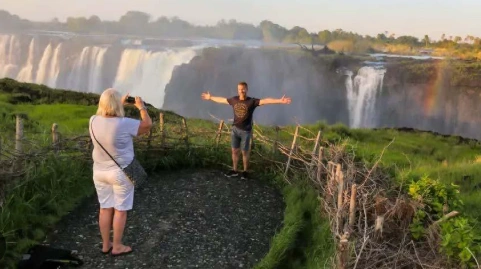
Exploring the Development of Travel and Tourism in Zimbabwe in 2026
Zimbabwe is experiencing renewed growth in its travel and tourism industry in 2026 | With spectacular natural landscapes, abundant wildlife, cultural heritage, and the world-famous Victoria Falls, the country continues to strengthen its position as an attractive destination in Southern Africa.
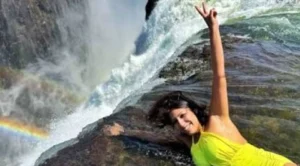
Tourism has become increasingly important to Zimbabwe’s economy, creating opportunities for local communities, hospitality businesses, tour operators, transport providers, and other tourism-related industries.
In 2026, the country’s tourism development is being shaped by rising international arrivals, stronger regional cooperation, improved tourism promotion, infrastructure development, and a growing focus on sustainable travel.
Tourism Growth in Zimbabwe in 2026
Zimbabwe’s tourism industry has shown encouraging growth at the beginning of 2026. International tourist arrivals increased during the first quarter compared with the same period of the previous year.
This growth indicates that Zimbabwe is regaining momentum as an international travel destination. Increased interest from African markets, as well as travelers from Asia, Europe, and other regions, is helping broaden the country’s tourism base.
The growth of tourism also creates opportunities for hotels, restaurants, transportation companies, travel agencies, safari operators, and local entrepreneurs.
However, increasing visitor numbers are only one measure of tourism success. Zimbabwe also needs to encourage longer stays, higher visitor spending, and greater distribution of tourism income among local communities.
Victoria Falls Remains the Main Tourism Attraction
Victoria Falls continues to be the centerpiece of Zimbabwe’s tourism industry.
Located along the Zambezi River, the waterfall attracts visitors from around the world who come to experience its dramatic scenery and surrounding natural environment.
Victoria Falls also supports a wide range of tourism activities, including:
- Scenic sightseeing
- Wildlife experiences
- River cruises
- Whitewater rafting
- Adventure activities
- Helicopter tours
- Cultural experiences
- Photography
- Luxury tourism
The destination is particularly important because it can attract both leisure travelers and high-value adventure tourists.
Zimbabwe is also strengthening cooperation with neighboring Zambia to promote Victoria Falls as part of a broader regional tourism destination.
Wildlife Tourism Continues to Grow
Wildlife remains one of Zimbabwe’s most important tourism assets.
The country has several major national parks and conservation areas that provide opportunities for visitors to experience African wildlife in natural environments.
Among the most important destinations are:
- Hwange National Park
- Mana Pools National Park
- Gonarezhou National Park
- Matobo National Park
- The Zambezi Valley
- Victoria Falls and surrounding wildlife areas
Safari tourism can attract visitors interested in elephants, lions, buffalo, wild dogs, birds, and other African wildlife.
For Zimbabwe, wildlife tourism is also closely connected to conservation. Well-managed tourism can generate revenue that supports protected areas while creating employment and business opportunities for surrounding communities.
Cultural and Heritage Tourism
Zimbabwe’s tourism industry is becoming more diverse, with greater attention being given to cultural and historical attractions.
Great Zimbabwe is one of the country’s most important heritage destinations. The ancient stone city provides visitors with an opportunity to learn about the history and achievements of African civilizations.
Other destinations across Zimbabwe also offer cultural experiences involving traditional communities, music, crafts, food, architecture, and local history.
Developing these attractions can encourage tourists to explore areas beyond Victoria Falls and spend more time in different parts of the country.
Adventure Tourism Is Becoming More Important
Adventure tourism is another area with significant potential in Zimbabwe.
Victoria Falls is already known for adventure experiences, but other destinations can also support hiking, mountain activities, fishing, canoeing, and outdoor exploration.
The country’s varied landscapes create opportunities for travelers who want more than conventional sightseeing.
Adventure tourism is particularly attractive to younger travelers who often look for memorable experiences that combine nature, physical activity, photography, and local culture.
Gastronomy and Food Tourism
Food is increasingly becoming part of the travel experience in Zimbabwe.
Traditional Zimbabwean cuisine provides visitors with another way to connect with local culture. Foods such as sadza, vegetables, meat dishes, traditional snacks, and locally produced ingredients can be incorporated into tourism experiences.
Restaurants, food markets, cultural festivals, cooking experiences, and community-based tourism can all contribute to the development of gastronomy tourism.
Promoting local food can also create opportunities for farmers, food producers, restaurants, and small businesses.
Infrastructure and Connectivity
Infrastructure remains an important factor in the development of Zimbabwe’s tourism industry.
Airports, roads, accommodation, transportation networks, internet connectivity, and visitor facilities all influence the overall travel experience.
Improving these areas can make it easier for international tourists to reach Zimbabwe and travel between major destinations.
Better connectivity is particularly important for encouraging visitors to combine Victoria Falls with national parks, heritage sites, cities, and other attractions.
Regional Tourism Cooperation
Zimbabwe’s tourism development is also connected to the wider Southern African tourism market.
Many international visitors travel to more than one country during a single trip. Zimbabwe can therefore benefit from cooperation with neighboring destinations such as Zambia, Botswana, South Africa, Mozambique, and Namibia.
Multi-country travel packages can encourage tourists to spend more time in the region and experience different landscapes and cultures.
Victoria Falls is especially suitable for this type of regional tourism because it can serve as a gateway between several Southern African destinations.
Sustainable Tourism Development
Sustainability is becoming increasingly important for Zimbabwe’s tourism industry.
Natural attractions such as Victoria Falls and the country’s national parks require careful management to protect them for future generations.
Sustainable tourism can involve:
- Protecting wildlife habitats
- Reducing environmental damage
- Supporting local communities
- Promoting responsible travel
- Improving waste management
- Conserving cultural heritage
- Creating long-term employment
Community involvement is especially important because local residents should benefit from tourism development in the areas where visitors travel.
Tourism and Local Economic Opportunities
Tourism can provide significant economic opportunities for Zimbabwe.
Hotels, restaurants, tour operators, transportation companies, guides, artisans, farmers, photographers, and small businesses can all benefit from increased visitor activity.
Young people can also find opportunities in hospitality, digital marketing, tour guiding, photography, food services, and tourism entrepreneurship.
If tourism growth continues, the industry could become an increasingly important source of employment and income for communities across the country.
Challenges Facing Zimbabwe Tourism in 2026
Despite positive developments, Zimbabwe’s tourism industry still faces several challenges.
Infrastructure improvements remain important, particularly outside major tourism centers. Transportation costs, international connectivity, accommodation availability, and service quality can also influence visitor decisions.
Zimbabwe must also compete with other well-established destinations in Southern Africa.
Another challenge is ensuring that tourism growth is sustainable. Increasing visitor numbers should not come at the expense of wildlife, natural landscapes, cultural heritage, or local communities.
Addressing these challenges will be essential for maintaining long-term tourism growth.
The Future of Travel and Tourism in Zimbabwe
The outlook for Zimbabwe’s tourism industry in 2026 is encouraging.
The country has a strong foundation of natural attractions, wildlife, heritage sites, adventure activities, and cultural experiences. Growing international arrivals indicate increasing interest in Zimbabwe as a travel destination.
The next stage of development should focus on improving the quality of the visitor experience rather than simply increasing the number of tourists.
Better infrastructure, stronger international marketing, sustainable tourism practices, regional cooperation, and community participation can help Zimbabwe build a more competitive tourism industry.
The development of travel and tourism in Zimbabwe in 2026 reflects a destination with significant potential and renewed momentum.
Victoria Falls remains the country’s most recognizable tourism attraction, while wildlife, cultural heritage, adventure tourism, gastronomy, and community-based experiences are helping diversify the industry.
Zimbabwe’s future tourism success will depend on its ability to combine visitor growth with sustainable development, improved infrastructure, quality services, and meaningful benefits for local communities.
With its remarkable natural beauty and cultural heritage, Zimbabwe has the potential to become one of Southern Africa’s most attractive and diverse tourism destinations.