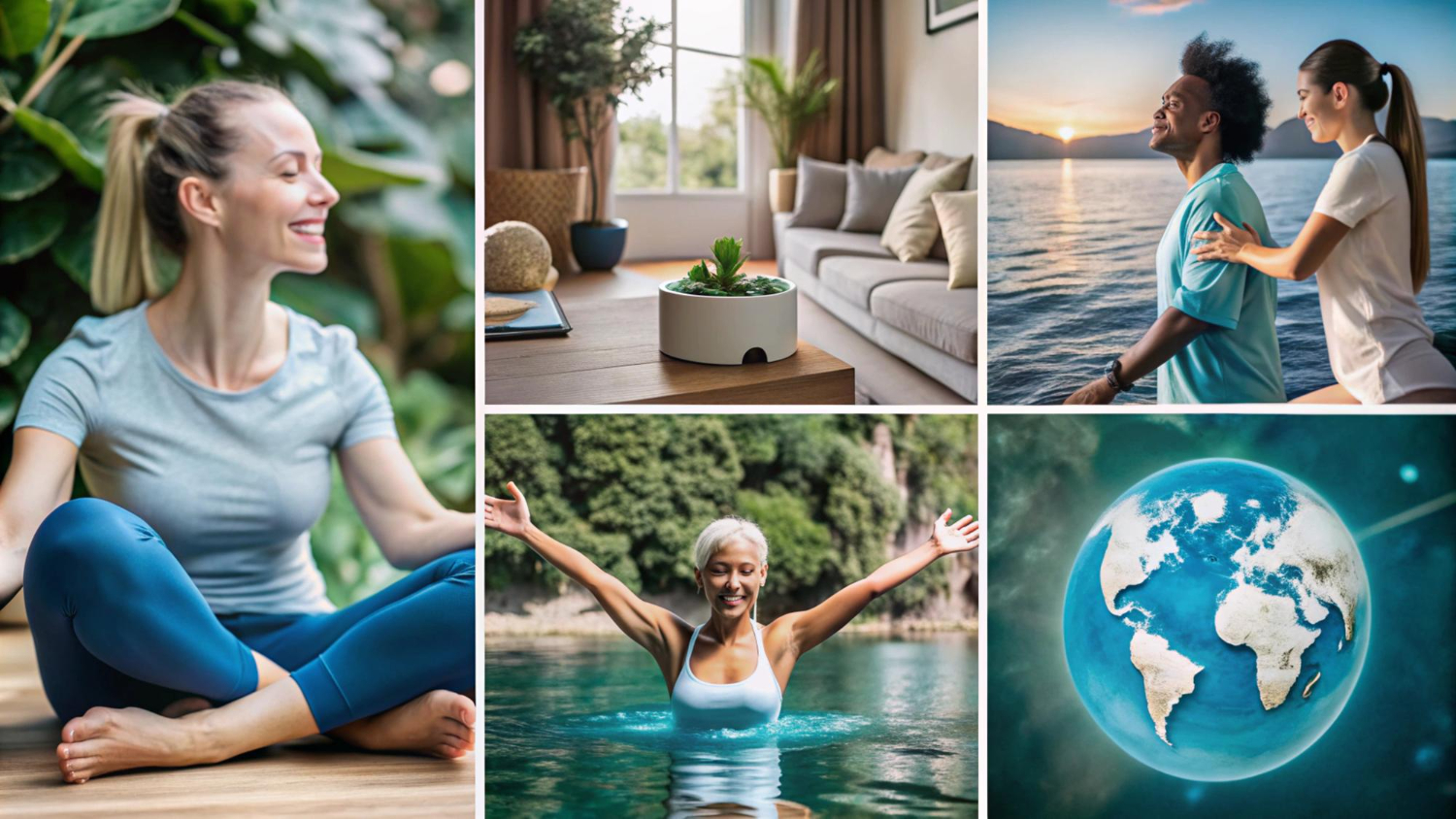
Why Wellness Travel Is Not Just a Trend But a Lifestyle Shift
Why Wellness Travel Is Not Just a Trend But a Lifestyle Shift – Travel used to be about ticking destinations off a list. People chased landmarks, snapped photos, and rushed from one attraction to another. But something has changed. Today, more travelers are looking for something deeper. They want to feel better, think clearer, and return home healthier than when they left. This is where wellness travel comes in.
Wellness travel is no longer just a niche market for yoga lovers or spa enthusiasts. It has become a global lifestyle movement. From digital detox retreats in Bali to thermal baths in Europe, the focus is shifting from sightseeing to self-care. And this shift is not temporary. It reflects how people now prioritize health, balance, and mindful living.
The Rise of Wellness Travel Around the World
The growth of wellness travel did not happen overnight. As modern life became faster and more stressful, people began searching for meaningful ways to recharge. Long working hours, constant notifications, and urban pressure have made rest and recovery essential rather than optional.
Destinations like Ubud have become global hotspots for yoga retreats and holistic healing. Meanwhile, places such as Sedona attract visitors seeking spiritual renewal and energy healing experiences. In Europe, towns like Baden-Baden are famous for their historic thermal baths and spa culture.
These destinations are not popular just because they are beautiful. They offer something more valuable: restoration. Travelers now search for keywords like “wellness retreats,” “holistic travel experiences,” and “mindful vacation packages.” The demand shows that wellness travel is more than a passing trend. It is a response to modern lifestyle challenges.
From Vacation to Transformation
Traditional vacations focus on escape. Wellness travel focuses on transformation. That is a major difference.
Instead of coming home exhausted from packed schedules, wellness travelers aim to return refreshed and inspired. Activities often include meditation sessions, plant-based cuisine, nature immersion, spa therapy, and fitness programs. The goal is not just relaxation but personal growth.
For example, retreats in Tulum combine beachfront serenity with mindfulness workshops. Travelers participate in sunrise yoga, breathwork sessions, and sustainable living practices. These experiences encourage long-term lifestyle changes rather than short-term relaxation.
This transformation-driven approach explains why wellness tourism continues to grow. People are not simply buying a trip; they are investing in their well-being.
Mental Health Is Now a Travel Priority
One of the biggest reasons wellness travel is becoming a lifestyle shift is the global awareness of mental health. Burnout is common, and many professionals struggle with stress and anxiety. Traveling with intention provides a structured break from daily routines.
Locations surrounded by nature, such as Swiss Alps, offer hiking, clean air, and digital disconnection. Nature-based wellness tourism has been proven to improve mood and reduce stress levels. This connection between travel and mental health makes wellness tourism feel necessary rather than luxurious.
Travelers are also choosing silent retreats, mindfulness camps, and digital detox experiences. These options reflect a deeper need for clarity and balance in a constantly connected world.
Wellness Travel and Sustainable Living
Another reason wellness travel represents a lifestyle shift is its strong connection to sustainability. Modern travelers care about how their trips impact the environment and local communities.
Eco-friendly resorts, organic farms, and sustainable accommodations are becoming more popular. In destinations like Costa Rica, wellness resorts often combine jungle conservation with holistic healing programs. Visitors can practice yoga in open-air studios while supporting environmental preservation.
This alignment between personal health and planetary health is powerful. Wellness travel encourages mindful consumption, locally sourced food, and respect for nature. These values often continue after travelers return home.
When someone learns about plant-based nutrition at a retreat or experiences farm-to-table dining during their stay, those habits frequently become part of their everyday lifestyle.
The Digital Detox Movement
Modern life revolves around screens. Emails, social media, and constant notifications create mental fatigue. Wellness travel offers a break from this digital overload.
Destinations like Bhutan promote happiness and mindfulness as part of national identity. Many retreats encourage limited phone use, helping visitors reconnect with themselves and their surroundings.
This digital detox aspect is a key SEO driver in the wellness travel industry. Searches for “digital detox retreat,” “off-grid wellness vacation,” and “mindful travel experience” continue to increase. People are not only traveling to see new places but to disconnect from technology and reconnect with their inner selves.
A Growing Industry With Long-Term Potential
The wellness tourism industry is expanding globally, with luxury hotels, boutique resorts, and even cruise lines integrating wellness programs into their offerings. Major hospitality brands now include spa treatments, meditation classes, and health-focused menus as standard amenities.
In places like Phuket, wellness resorts blend tropical landscapes with detox programs and fitness retreats. These destinations attract solo travelers, couples, and even corporate groups seeking team wellness retreats.
The reason this industry has long-term potential is simple: health will never go out of style. Unlike travel trends that fade, wellness addresses fundamental human needs. As long as people seek better physical and mental health, wellness travel will remain relevant.
Why Wellness Travel Reflects a Deeper Cultural Change
At its core, wellness travel mirrors a broader cultural transformation. People are redefining success. Instead of valuing constant productivity, many now prioritize balance, purpose, and self-care.
Remote work has also changed how people travel. Longer stays, workations, and slow travel experiences allow individuals to integrate wellness into their routines. Someone might spend a month in Canggu balancing freelance work with surf sessions and meditation classes.
This blending of work, travel, and well-being shows that wellness is not just part of a holiday. It is becoming part of daily life.
The Future of Travel Is Personal
Wellness travel is not about luxury alone. It is about personalization. Travelers want customized experiences that align with their goals, whether that means weight loss, stress reduction, spiritual exploration, or fitness improvement.
Resorts and retreats now offer tailored programs that include nutritional plans, private coaching, and holistic therapies. This individualized approach strengthens customer loyalty and encourages repeat visits.
As more people view travel as a tool for self-improvement, the line between vacation and lifestyle continues to blur.
Conclusion
Wellness travel is not just a trend driven by social media or influencer culture. It represents a genuine shift in how people approach life. Health, balance, and mindfulness are becoming priorities, and travel is one of the most powerful ways to reset and realign.
From the serene rice fields of Ubud to the peaceful mountains of the Swiss Alps, wellness destinations around the world are shaping a new kind of traveler. One who seeks meaning, not just memories.
As modern lifestyles continue to evolve, wellness tourism will only grow stronger. It is not about escaping life, but about learning how to live it better. And that is why wellness travel is more than a passing trend. It is a lifestyle shift that is here to stay.
Hot News!
Terapkan trik menang game online Anda saat meracik angka jitu situs toto di Togel178.
Recent Posts
- Why Travel Shikoku Feels Like a Different Japan
- Indonesia: The Developing Country Offering Luxury Travel on a Budget for Wealthy Tourists
- Supporting Manggarai Flores: How Tourism Can Help Local Communities Recover
- Exploring the Development of Travel and Tourism in Zimbabwe in 2026
- Planning a Trip to Reo, Manggarai: A Journey Through Flores