Juni 16, 2026

Travel Industry News and Information Guide

Explore travel industry news and information covering destinations, tourism trends, and travel planning insights.

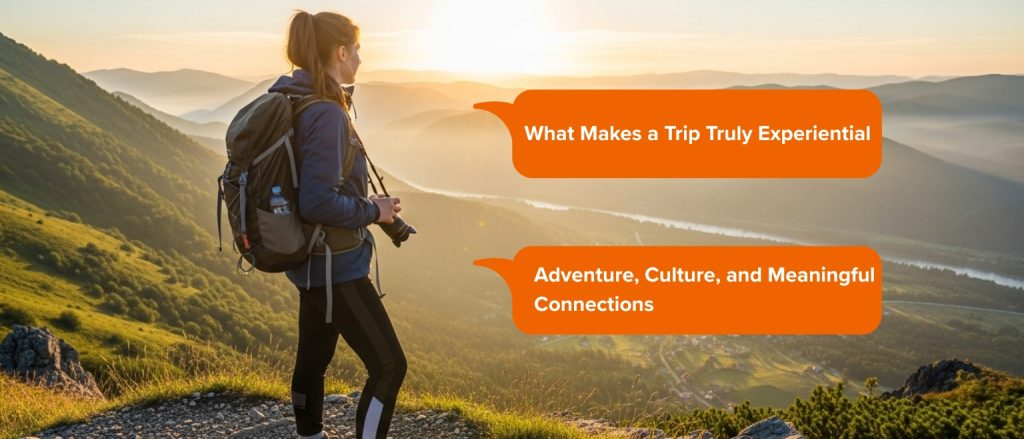
The Rise of Experiential Travel: What Makes a Trip Unforgettable?

Februari 23, 2026 | Opqx1

The Rise of Experiential Travel: What Makes a Trip Unforgettable?

The Rise of Experiential Travel: What Makes a Trip Unforgettable? – Travel has changed. A decade ago, many people planned trips around landmarks, famous buildings, and checklist attractions. Today, travelers are searching for something deeper. They want stories, emotions, and meaningful moments. This shift has given birth to what we now call experiential travel.

Experiential travel is not just about where you go, but how you experience it. Instead of rushing from one tourist spot to another, travelers now prefer immersive activities, cultural connections, and authentic interactions. The rise of experiential travel reflects a broader lifestyle change. People are no longer satisfied with simply taking photos for social media. They want to feel connected to the places they visit.

In this article, we’ll explore why experiential travel is growing so fast and what truly makes a trip unforgettable.

Why Experiential Travel Is Becoming So Popular

The demand for experiential travel has increased significantly in recent years. One of the main reasons is that modern travelers are looking for authenticity. They want to step outside their comfort zone and experience life as locals do.

Social media also plays a role, but not in the way you might think. While platforms inspire people to travel, they have also made popular destinations feel crowded and predictable. As a result, travelers now look for unique, off-the-beaten-path experiences that feel personal and exclusive.

Another key factor behind the rise of experiential travel is the desire for personal growth. Many people see travel as a way to learn new skills, understand different cultures, and gain fresh perspectives. Whether it’s learning to cook traditional pasta in Italy, practicing yoga in Bali, or joining a wildlife conservation project in Africa, these experiences leave a lasting impact.

The Shift from Sightseeing to Storytelling

Traditional tourism focused heavily on sightseeing. Visit the monument, take a picture, move on. Experiential travel flips that idea completely. Instead of collecting photos, travelers collect stories.

When someone spends a day fishing with local fishermen or joins a community festival in a small village, they create memories that cannot be replicated. These stories become the highlight of their journey, not the landmarks.

This storytelling element is what makes experiential travel unforgettable. It transforms travel into something emotional and meaningful rather than just visual.

What Makes a Trip Truly Unforgettable?

An unforgettable trip is not always about luxury or expensive resorts. In fact, some of the most memorable experiences happen in simple settings. What truly makes a trip stand out are moments of connection, discovery, and transformation.

First, human connection plays a huge role. Meeting locals, sharing meals, and having genuine conversations can completely change how you see a destination. When you feel welcomed and understood, the experience becomes personal.

Second, active participation enhances memory. Watching a dance performance is enjoyable, but learning the dance yourself is unforgettable. Experiential travel encourages hands-on activities that engage all the senses. You don’t just observe; you participate.

Third, emotional impact is key. Moments that surprise you, challenge you, or inspire you stay with you long after the trip ends. It could be witnessing a breathtaking sunrise after a long hike or volunteering in a local community. These emotional peaks define the journey.

Immersive Cultural Experiences

One of the strongest elements of experiential travel is cultural immersion. Instead of staying isolated in tourist zones, travelers seek to understand traditions, food, art, and everyday life.

Cooking classes, local workshops, farm stays, and homestays are becoming increasingly popular. These experiences allow travelers to step into the rhythm of local life. They gain a deeper appreciation for cultural diversity and often return home with new skills or perspectives.

Cultural immersion also supports local communities. When travelers spend money on local guides, artisans, and small businesses, they contribute directly to the local economy. This makes experiential travel not only rewarding but also responsible.

The Role of Adventure in Experiential Travel

Adventure is another powerful component of experiential travel. It doesn’t always mean extreme sports. Adventure can be as simple as trying unfamiliar food or exploring a hidden neighborhood.

However, for many travelers, physical challenges create strong emotional memories. Hiking remote trails, diving into crystal-clear waters, or exploring untouched landscapes all create adrenaline-fueled moments that stick in the mind.

Adventure pushes people beyond routine. It forces them to adapt, learn, and grow. These transformative moments are often what travelers talk about years later.

Experiential travel combines adventure with meaning. It’s not just about excitement, but about understanding the environment and respecting the culture behind the adventure.

How Technology Supports Experiential Travel

Interestingly, technology has both fueled and supported the rise of experiential travel. Online platforms make it easier to discover local hosts, book authentic experiences, and read real reviews from other travelers.

Travelers can now connect directly with locals offering workshops, guided tours, or cultural activities. This removes barriers and allows for more personal interactions.

At the same time, technology helps travelers research destinations more deeply. Instead of relying solely on guidebooks, they can explore blogs, forums, and videos to find unique experiences tailored to their interests.

Yet, the true essence of experiential travel often involves disconnecting from screens and being fully present. Technology may help you find the experience, but it’s the real-world engagement that makes it meaningful.

The Future of Experiential Travel

The future of travel clearly leans toward experiences over possessions. As more people prioritize meaningful memories, experiential travel will continue to grow.

Sustainable tourism is also closely connected to this trend. Travelers who seek authentic experiences are often more mindful of their environmental and social impact. They prefer eco-friendly accommodations, community-based tourism, and ethical travel practices.

Travel companies are responding by designing curated experiences rather than standard tour packages. Instead of offering generic itineraries, they focus on storytelling, personalization, and immersion.

Experiential travel is not just a trend; it reflects a deeper change in how people value time and money. Experiences create long-term happiness, while material things fade quickly.

Final Thoughts

The rise of experiential travel shows that people are craving more than just vacations. They want journeys that change them, inspire them, and connect them to the world in a meaningful way.

An unforgettable trip is built on authentic experiences, emotional moments, and real human connections. It’s about stepping into a new culture, trying something unfamiliar, and returning home with stories that last a lifetime.

As travelers continue to seek purpose and authenticity, experiential travel will remain at the heart of the tourism industry. Because in the end, it’s not about how many places you visit. It’s about how deeply you experience them.

Share: Facebook Twitter Linkedin
How the Rise of Hybrid Travel is Changing the Way We Vacation
Februari 10, 2026 | Opqx1

How the Rise of Hybrid Travel is Changing the Way We Vacation

How the Rise of Hybrid Travel is Changing the Way We Vacation – Over the past few years, the way people travel has been evolving dramatically. Traditional vacations—where people take a full break from work to relax in a new destination—are no longer the only way to recharge. The rise of hybrid travel is transforming the travel industry, blending work, leisure, and digital flexibility in ways that were unimaginable a decade ago. If you’ve noticed more colleagues sending postcards from Bali while still checking emails or friends hopping between cities while running remote meetings, you’re witnessing this trend firsthand.

What Is Hybrid Travel?

Hybrid travel, sometimes called “bleisure” travel, is a blend of business and leisure. It’s no longer strictly about going on a vacation or attending a work conference. Travelers can now work remotely from different locations, extend business trips into mini vacations, or plan trips that accommodate both professional responsibilities and personal adventures. This concept has exploded in popularity, especially after the COVID-19 pandemic forced companies to embrace remote work and flexible schedules.

Unlike traditional vacations, hybrid travel is about balance. People don’t have to completely disconnect from work, but they can still enjoy the benefits of exploring a new place. It’s a subtle shift that emphasizes personal freedom and productivity, giving travelers the power to design experiences that suit their lifestyle.

Why Hybrid Travel Is Becoming Popular

Several factors have contributed to the rise of hybrid travel. First, remote work has become mainstream. Millions of employees now have the flexibility to work from anywhere with a stable internet connection. This freedom allows travelers to combine work and leisure without feeling guilty about stepping away from the office.

Second, there’s a growing desire for meaningful travel experiences. People want more than a few days on a crowded beach or ticking off tourist spots. Hybrid travel allows them to immerse themselves in a new culture, try local cuisines, or explore off-the-beaten-path destinations, all while keeping up with work responsibilities.

Finally, the travel industry itself is adapting. Hotels, resorts, and coworking spaces now cater specifically to hybrid travelers, offering high-speed internet, ergonomic workspaces, and amenities designed for both productivity and relaxation. Airlines and travel platforms are also creating packages that appeal to this new type of traveler, making it easier than ever to plan a seamless experience.

How Hybrid Travel Changes Vacation Planning

Planning a hybrid trip requires a different mindset than traditional vacations. Instead of focusing solely on leisure activities, travelers must consider logistics that support work as well. Reliable internet access becomes a priority, as does finding accommodations with comfortable workspaces. Travelers also need to balance their schedules, blending meetings with sightseeing or downtime.

Interestingly, hybrid travel can extend the average trip length. Since travelers can work remotely, there’s less pressure to return home quickly. A business trip that used to last three days can now evolve into a two-week adventure. This shift also encourages deeper engagement with the destination, as travelers have more time to explore neighborhoods, connect with locals, and participate in cultural activities.

Another change is the emergence of digital nomad communities. Many hybrid travelers seek locations where they can meet like-minded people, share experiences, and even collaborate professionally. Cities like Lisbon, Bali, and Chiang Mai have become hubs for this type of travel, offering coworking spaces, networking events, and long-term rental options for professionals on the move.

The Impact on Tourism and Local Economies

Hybrid travel isn’t just changing individual vacations; it’s reshaping entire tourism landscapes. Destinations that traditionally relied on short-term tourists are now seeing a new demographic: travelers who stay longer, spend more locally, and integrate into the community. This can boost local economies in a sustainable way, especially in areas that weren’t previously considered prime tourist spots.

However, there are challenges. Infrastructure needs to support both work and leisure, meaning reliable internet, transportation, and accommodations must be available. Additionally, cities need to strike a balance between welcoming visitors and maintaining local quality of life. Still, the overall impact is largely positive, encouraging destinations to innovate and diversify their offerings.

Tips for Embracing Hybrid Travel

For travelers who want to make the most of hybrid vacations, preparation is key. Start by choosing destinations that offer reliable connectivity and flexible accommodations. Plan your itinerary so that work responsibilities don’t overshadow leisure time, but also avoid overloading your schedule.

Investing in portable technology can also make a big difference. Noise-canceling headphones, lightweight laptops, and travel routers can help you stay productive while exploring new surroundings. Finally, don’t forget the human element—networking with locals or other travelers can enhance your experience and create opportunities for personal growth.

The Future of Hybrid Travel

Looking ahead, hybrid travel is likely to become a standard approach for many. Companies are recognizing the benefits of flexible arrangements, including higher employee satisfaction and productivity. Travelers are increasingly seeking personalized, experience-driven trips rather than one-size-fits-all vacations.

We can also expect technology to play an even bigger role. Mobile apps, AI-driven travel planners, and smart accommodations will make balancing work and leisure smoother than ever. As the line between business and leisure continues to blur, hybrid travel could redefine what it means to truly “get away.”

Conclusion

The rise of hybrid travel marks a significant shift in the way we vacation. By merging work, leisure, and flexibility, travelers can create experiences that are more personalized, meaningful, and sustainable. Whether it’s extending a business trip into a cultural adventure or working remotely from a tropical paradise, hybrid travel empowers people to redefine their relationship with both work and vacation.

As more destinations and companies embrace this new travel model, the possibilities for exploration are virtually endless. Hybrid travel isn’t just a trend—it’s a glimpse into the future of how we live, work, and enjoy the world.

Share: Facebook Twitter Linkedin